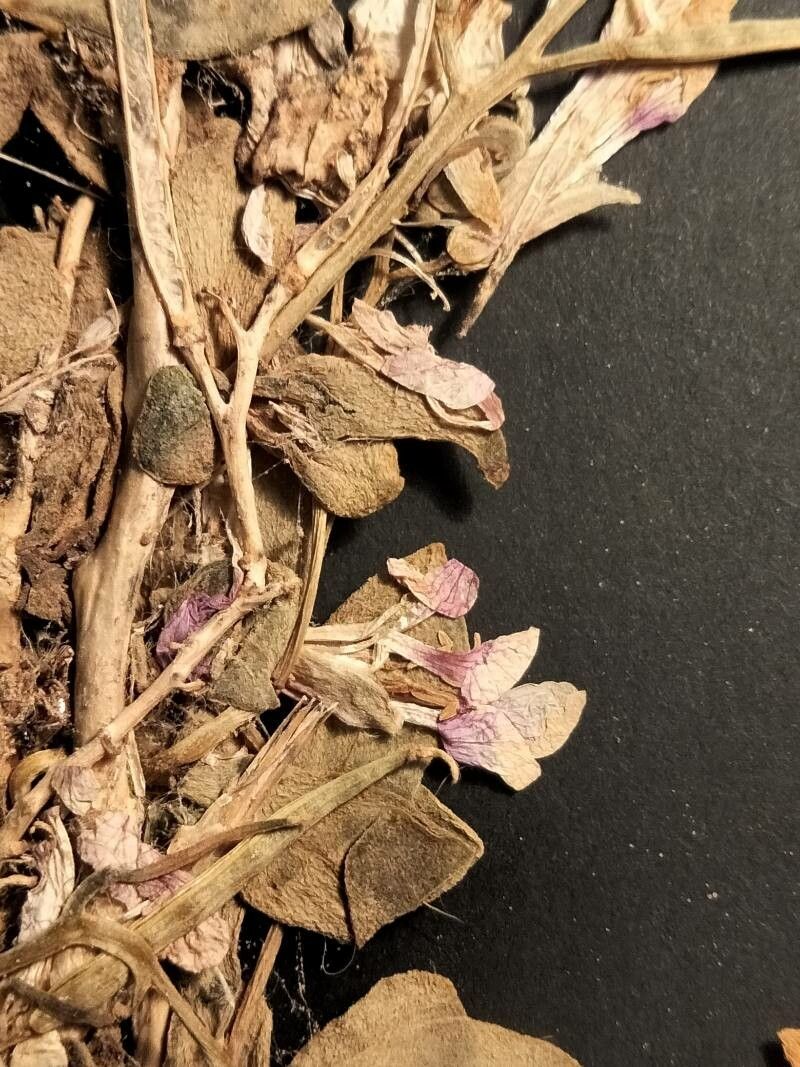
Hello fellow plant lovers! Today, I want to talk about a plant that brings such a lovely fragrance and charm to any garden – the Matthiola arabica. If you’ve ever inhaled its sweet, spicy scent on a warm evening or admired its tall spikes of delicate flowers, you know why it’s special. Propagating it yourself is incredibly rewarding. You get to share these beauties, extend their season in your own garden, and frankly, it’s a joy to watch new life emerge from a small cutting or seed. For beginners? It’s quite forgiving, which is always a plus!
When is the Sweet Spot for Starting?
The absolute best time to start your Matthiola arabica propagation is generally in the late spring to early summer. This is when the plant is actively growing and has plenty of energy to put into developing new roots. You’re looking for healthy, vigorous stems that are about pencil-thick and have started to elongate after flowering, or just before. Avoid trying to propagate from very young, tender shoots or woody, old stems.
Gathering Your Gardening Arsenal
To give your Matthiola arabica cuttings the best chance, you’ll want a few things handy:
- Sharp, clean pruning shears or a sharp knife: Essential for making clean cuts.
- A rooting hormone powder or gel: Not strictly mandatory, but it really helps speed things up.
- A well-draining potting mix: I like a blend of peat moss or coco coir, perlite, and a bit of coarse sand. It needs to drain exceptionally well to prevent rot.
- Small pots or seed trays: Clean ones are a must!
- A plastic bag or propagation dome: To create a humid environment.
- Water: For misting and initial watering.
Bringing Your Matthiola to Life: Propagation Methods
The most successful way for me to propagate Matthiola arabica is through stem cuttings. Here’s how I do it:
- Take Your Cuttings: Find a healthy, non-flowering stem that is at least 4-6 inches long. Using your clean pruning shears, make a clean cut just below a leaf node. A leaf node is where a leaf attaches to the stem; this is where roots typically emerge.
- Prepare the Cutting: Gently remove the lower leaves from the cutting, leaving just the top few leaves intact. If the leaves are very large, you can even cut them in half to reduce water loss.
- Apply Rooting Hormone: Dip the cut end of the stem into your rooting hormone. Tap off any excess – you want a thin coating.
- Plant Your Cuttings: Fill your small pots with your well-draining potting mix. Make a small hole in the center of the mix with your finger or a pencil. Insert the prepared cutting into the hole, ensuring the leaf nodes you removed are below the soil surface. Gently firm the soil around the base of the cutting.
- Water Gently: Water the soil thoroughly but gently. You don’t want to dislodge the cutting.
- Create Humidity: Place the pot inside a clear plastic bag and seal it loosely, or cover it with a propagation dome. This traps moisture and creates the humid environment cuttings crave.
- Provide Light: Place the pot in a bright spot with indirect sunlight. Direct sun will scorch the leaves and dry out your cuttings too quickly.
The “Secret Sauce” from My Bench
Over the years, I’ve learned a few tricks that seem to make all the difference:
- Bottom Heat is Your Friend: If you can, place your pots on a gentle seedling heat mat. Matthiola arabica roots respond wonderfully to a bit of warmth from below, which really encourages them to get going.
- Don’t Let Leaves Touch the Water: If you happen to try water propagation (though I find cuttings more reliable), never let the leaves of the cutting sit in the water. It’s a one-way ticket to rot. Only the submerged stem should be in contact with the water.
- Mist, Don’t Drench: While humidity is key, don’t let the soil become waterlogged. A light misting of the leaves every couple of days, especially if the plastic bag feels dry, is usually sufficient.
Nurturing New Growth and What to Watch For
Once you see new leaves starting to emerge, you know roots are forming! This is a fantastic sign.
- Acclimatize Gradually: Once your cuttings have developed a good root system (you can gently tug on them; if there’s resistance, they’re rooted), gradually remove the plastic bag. Start by opening the bag for a few hours a day, then remove it entirely over a week. This prevents shock.
- Potting Up: Once they’re well-established, you can pot them up into slightly larger containers with your regular potting mix.
- Watch for Rot: The biggest enemy is rot. If your cuttings look limp and mushy, or if the stem has turned black and is dissolving, it’s likely rot. This usually happens due to overwatering or poor drainage. If you see this, remove the affected cutting immediately to prevent it from spreading. Sometimes, a stem might just fail to root – don’t be discouraged, just try again!
Go Forth and Grow!
Propagating Matthiola arabica is a delightful journey. It requires a bit of patience, keen observation, and a gentle touch, but the rewards are immense. Trust your instincts, enjoy the process of nurturing new life, and soon you’ll be surrounded by the fragrant beauty you’ve grown yourself. Happy gardening!
Resource:
https://identify.plantnet.org/k-world-flora/species/Matthiola%20arabica%20Boiss./data