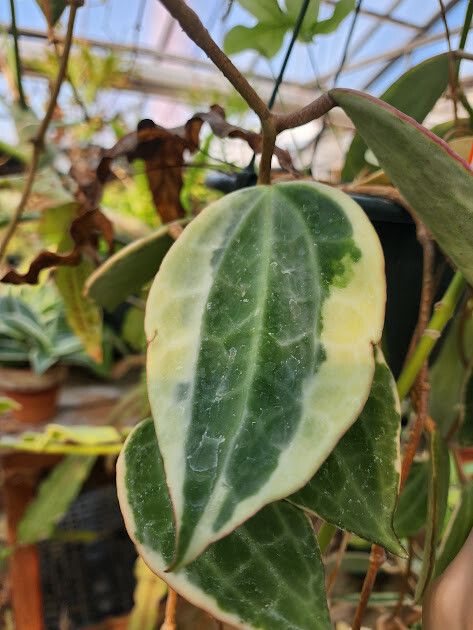
Oh, Hoya macrophylla! If you’ve ever admired those gloriously large, thick leaves on a Hoya, chances are you’ve fallen for this beauty. It’s one of my absolute favorites for its lush foliage and the promise of charming, star-shaped flowers down the line. And the best part? Propagating it is surprisingly straightforward, making it a fantastic plant for even those just dipping their toes into the world of plant babies.
There’s a real joy in watching a tiny cutting transform into a thriving new plant. It’s a little piece of gardening magic you can create yourself, and Hoya macrophylla is quite the forgiving student in this regard.
The Best Time to Start
For the highest chance of success with your Hoya macrophylla cuttings, spring and early summer are your golden window. This is when the plant is actively growing, putting out new shoots, and has the stored energy to put into rooting. You’re essentially working with its natural momentum. Avoid propagating during the plant’s dormant period in winter.
Supplies You’ll Need
Gathering your tools before you begin makes the whole process so much smoother. Here’s what I recommend having on hand:
- Sharp, clean pruning shears or a sharp knife: This is crucial for making clean cuts.
- Hoya macrophylla parent plant: Of course! Look for healthy, vigorous stems.
- Rooting hormone (optional but recommended): I find it gives cuttings a helpful boost. A powdered or gel form is fine.
- Well-draining potting mix: A good blend for succulents or Hoyas works best. I often use a mix of regular potting soil, perlite, and orchid bark.
- Small pots or propagation trays: Anything that can hold your mix and a cutting.
- Clear plastic bags or a small greenhouse: To create a humid environment.
- Water (for water propagation): Clean, room-temperature water.
- A dibber or pencil: To make a nice hole for your cutting.
- A small spray bottle: For misting.
Propagation Methods
Hoya macrophylla is quite adaptable, and you can have great success with a couple of common methods.
Stem Cuttings (My Go-To)
This is the most popular and reliable method.
- Select a Stem: Look for a healthy stem that has at least two or three leaf nodes. A node is the little bump on the stem where a leaf grows from. These are where the roots will emerge.
- Make the Cut: Using your sterilized pruning shears or knife, make a clean cut just below a leaf node. You can take cuttings that are a few inches long.
- Prepare the Cutting: Gently remove the lower leaves, leaving at least one or two leaves at the top. If you’re using rooting hormone, dip the cut end into it, tapping off any excess.
- Plant the Cutting: Fill your small pot with your well-draining potting mix. Use your dibber or pencil to create a hole, and gently insert the cut end of the Hoya cutting into the mix, ensuring at least one node is buried. Firm the soil gently around the stem.
- Create Humidity: Water the soil lightly, then cover the entire pot with a clear plastic bag or place it in a small propagation box. This traps moisture, creating a greenhouse effect. You can prop the bag up with a stick or two so it doesn’t touch the leaves.
Water Propagation
This method is visually satisfying, as you can watch the roots grow!
- Select and Cut: Follow the same steps as for stem cuttings to take a healthy stem cutting with at least two nodes.
- Prepare the Cutting: Remove the lower leaves so they won’t rot in the water.
- Place in Water: Fill a clean jar or glass with room-temperature water. Place your cutting in the water, ensuring the leaf nodes are submerged. Make sure no leaves are touching the water.
- Location: Find a bright spot with indirect sunlight.
- Change Water Regularly: Change the water every few days to keep it fresh and prevent bacteria buildup.
The “Secret Sauce” (Pro Tips)
After years of wrestling with cuttings, I’ve learned a few tricks that make a difference.
- Don’t Over-Pot: When planting stem cuttings, a smaller pot is better. It prevents the soil from staying too wet, which is the biggest enemy of a new cutting. A pot that’s just a bit larger than the cutting’s root system encourages quicker root development.
- Bottom Heat Helper: If you can, place your potted cuttings on a seedling heat mat. Hoyas love warmth, and a little gentle heat from below can significantly speed up root formation. It’s like giving them a cozy foot spa!
- Patience is Key (and a bit of vigilance): Don’t despair if you don’t see roots immediately. It can take several weeks. However, if a stem starts to look yellow and mushy, it’s likely succumbing to rot. Pull it out, check for signs of life, and if not, discard it and try again.
Aftercare & Troubleshooting
Once you see roots forming (you might see them peeking out the drainage holes of your pot or developing nicely in your water jar!), it’s time to nurture your new Hoya.
For cuttings in soil, gradually remove the plastic bag over a week or two to acclimate them to the lower humidity. Continue to water lightly when the top inch of soil feels dry. Avoid overwatering; soggy soil is a fast track to root rot.
For water-propagated cuttings, once the roots are about an inch long, carefully transplant them into your well-draining potting mix. Treat them like a freshly potted plant.
The most common problem you’ll encounter is rot. If a cutting turns black, mushy, and smells unpleasant, it’s rotten. This is usually due to too much moisture and not enough airflow. If you see this, discard the cutting and adjust your watering or humidity levels for your next attempt. Yellowing leaves on a cutting can also be a sign of stress or insufficient light, but rot is the more immediate concern.
A Encouraging Closing
Propagating Hoya macrophylla is such a rewarding journey. It’s a chance to expand your collection, share with friends, and connect with the natural cycle of growth. Don’t be discouraged if your first few attempts aren’t perfect. Every gardener learns through trial and error, and that’s part of the fun! So grab your shears, find a healthy stem, and enjoy the process of bringing new life into your home. Happy growing!
Resource:
https://identify.plantnet.org/k-world-flora/species/Hoya%20macrophylla%20Blume/data