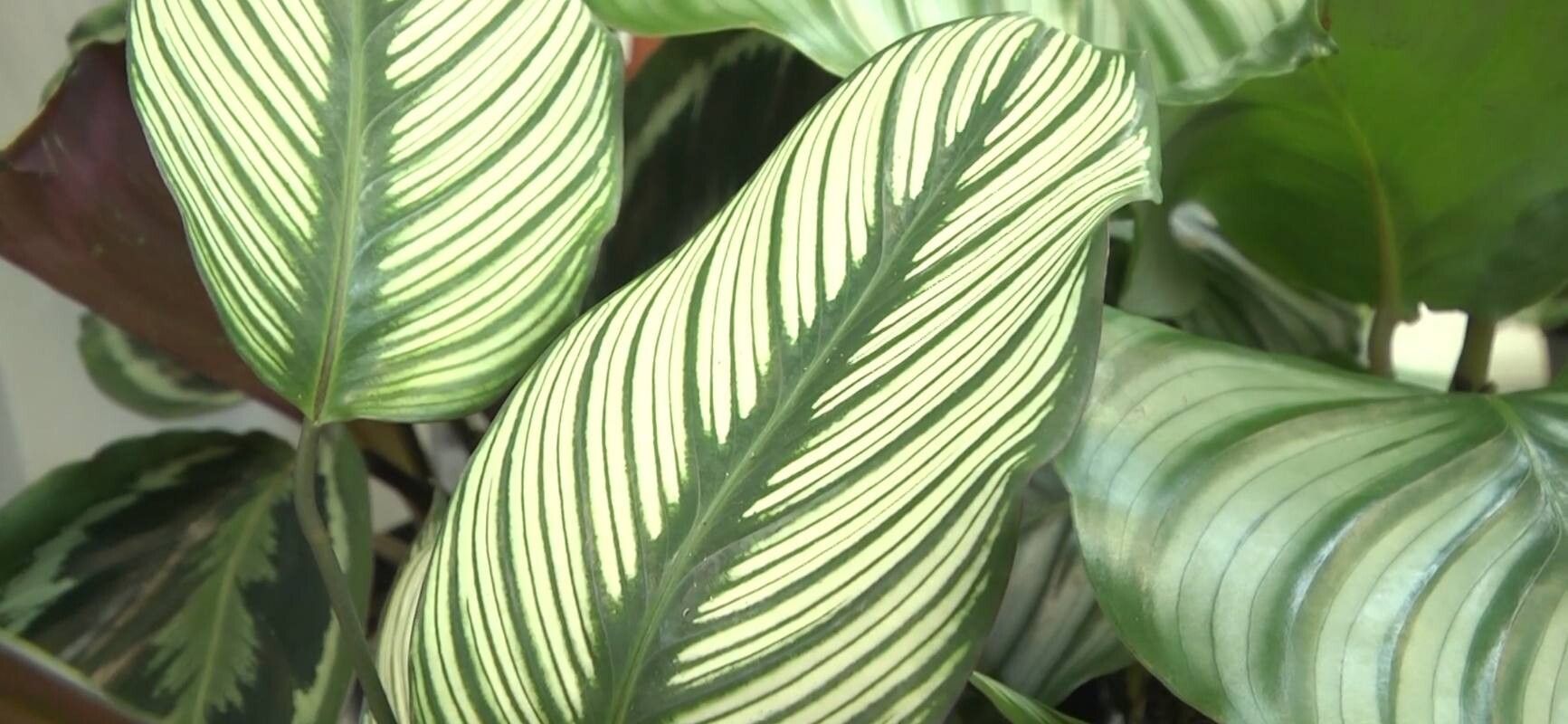
Oh, Goeppertia majestica! Isn’t she a stunner? With those bold, patterned leaves, she really is the queen of her domain. I’ve had her gracing my indoor jungle for years, and every time I manage to coax a new little plant into existence, it feels like a small triumph. It’s a truly rewarding process, watching a tiny sliver of a beloved plant unfurl its first leaves.
Now, is she a beginner-friendly propagation project? Honestly, I’d say she’s a moderately beginner-friendly plant. You’ll need to be a little attentive, but with a few pointers, you’ll be well on your way.
The Best Time to Start
The very best time to propagate your Goeppertia majestica is during its active growing season. For most of us, that means late spring through summer. The plant is energized, putting out new growth, and more receptive to making roots. You can also have some success in early autumn if your indoor conditions are consistent and bright.
Supplies You’ll Need
Here’s what I always have on hand when I’m looking to multiply my Goeppertia:
- Sharp Pruning Shears or a Clean Knife: For making clean cuts. Sterilize them with rubbing alcohol between cuts to prevent disease.
- Well-Draining Potting Mix: I like a blend of peat moss, perlite, and a bit of regular potting soil. You want something that drains freely. You can also buy specific orchid bark mixes that work well.
- Small Pots or Trays: For your cuttings to root in. Small nursery pots are perfect.
- Plastic Bags or a Propagator: To create a humid environment for your cuttings.
- Rooting Hormone (Optional but Recommended): This can give your cuttings a helpful boost. Look for one specifically for stem cuttings.
- A Spray Bottle: For misting.
Propagation Methods
Goeppertia majestica is best propagated through division or stem cuttings.
Division (My Favorite for Goeppertia!)
This is often the easiest and most successful method for Goeppertia, as it gives you a larger piece of the plant right from the start.
- Gently Remove from Pot: Take your Goeppertia majestica out of its current pot. You might need to loosen the soil around the edges with a trowel or your hands.
- Inspect the Roots: Look for natural divisions at the base of the plant. You’ll often see where new shoots are emerging from the main root ball.
- Separate Gently: Using your hands or a clean, sharp knife, carefully separate the plant into smaller sections. Each section should have at least one or two healthy leaves and a good portion of the root system. Don’t worry if you lose a few delicate roots; it’s part of the process.
- Pot Up: Plant each divided section into its own small pot filled with your well-draining potting mix. Water lightly.
Stem Cuttings
This method takes a bit more patience but can yield multiple new plants from one healthy specimen.
- Choose Your Cutting: Look for a healthy stem that has at least two or three leaves. The stem should be firm, not woody or too soft.
- Make the Cut: Using your sterilized pruning shears or knife, cut the stem about 1-2 inches below a leaf node. A leaf node is where a leaf attaches to the stem. This is where roots will typically form.
- Prepare the Cutting: Remove the bottom leaves, leaving only one or two at the very top. If the remaining leaves are very large, I like to cut them in half to reduce water loss.
- Apply Rooting Hormone (Optional): Dip the cut end of the stem into rooting hormone, tapping off any excess.
- Plant Your Cutting: Stick the cut end into your prepared potting mix, ensuring the leaf node is below the soil surface. You can use a pencil or your finger to make a small hole first.
- Create Humidity: Water the soil gently. Then, cover the pot with a plastic bag or place it inside a propagator. This creates a mini-greenhouse effect, keeping humidity high. Make sure the leaves don’t touch the sides of the bag if possible.
The “Secret Sauce” (Pro Tips)
- Don’t Drown Your Cuttings: When using the stem cutting method, it’s crucial that the leaves don’t sit in water. This is a surefire way to invite rot. If you’re doing water propagation (which I’m less keen on for Goeppertia as it can shock them when moving to soil), make sure only the stem is submerged, not any leaves.
- Bottom Heat is Your Friend: Goeppertia roots are like little sunbathers – they love warmth! Placing your pots on a heating mat designed for seedlings can significantly speed up root development. It mimics the warmth they’d get from the sun-drenched ground in their native habitat.
- Patience with Division: When dividing, resist the urge to pull the root ball apart too vigorously. If you encounter tough roots, it’s better to gently tease them apart or use a clean knife to make a precise cut. Ripping can damage the parent plant and the new divisions.
Aftercare & Troubleshooting
Once your divisions are planted or your cuttings have started to show signs of rooting (you might see new leaf growth, or a gentle tug will feel resistance), it’s time to adjust their care.
- Gradual Acclimation: For cuttings that have been under a plastic bag, gradually introduce them to normal room humidity by opening the bag a little more each day for a week.
- Watering: Water when the top inch of soil feels dry. Avoid overwatering, as this is the most common killer. They prefer consistently moist but not soggy soil.
- Light: Place your new plants in bright, indirect light. Avoid direct sun, which can scorch young leaves.
Common Signs of Failure:
- Yellowing Leaves: This could be a sign of overwatering, underwatering, or insufficient light.
- Wilting: Usually indicates the plant isn’t getting enough water, or the roots haven’t established well.
- Rotting Stems or Bases: This is the big one! It’s almost always due to overwatering and poor drainage. If you see a stem turning black and mushy, it’s probably a goner. You can try to salvage other healthy parts if you catch it early.
Your Green Sprout Awaits!
Propagating a plant like Goeppertia majestica is a journey, not a race. Be observant, be patient, and don’t be discouraged if every single cutting doesn’t make it. Each attempt is a learning opportunity. Enjoy watching those tiny roots unfurl and those first new leaves emerge. Happy propagating!
Resource: