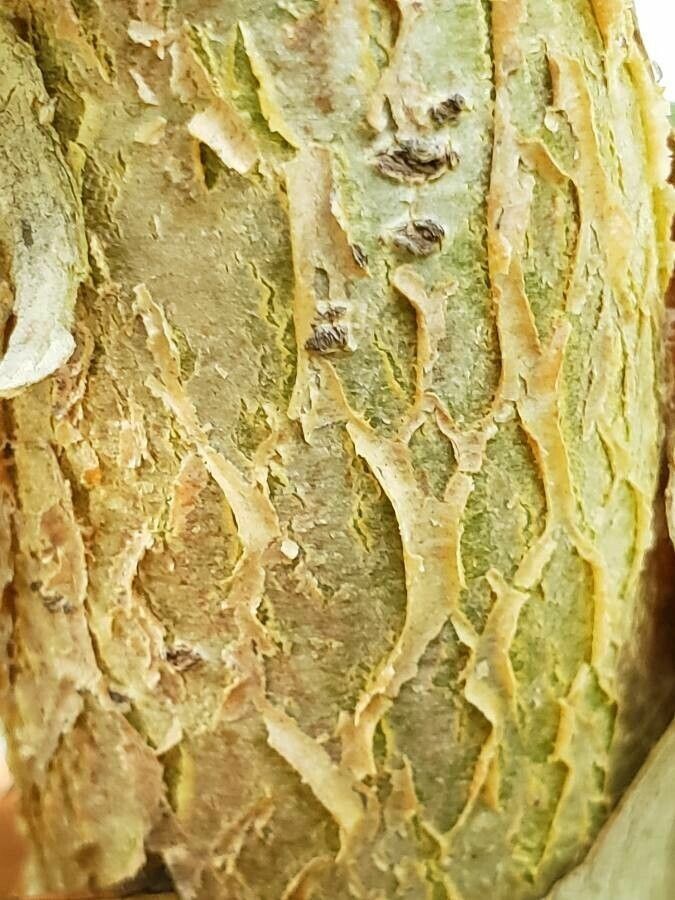
Hello fellow plant enthusiasts! I’m so excited to chat with you today about a truly delightful fig variety: Ficus crocata. You might know it by its common name, the ‘Orange-Fruited Fig’, and it’s easy to see why. The glossy, deep green leaves are sophisticated, and when it fruits, oh my! Little bursts of vibrant orange appear, adding such a charming touch to your indoor jungle.
Propagating your own Ficus crocata is incredibly rewarding. It’s not only about multiplying your collection; it’s about understanding the life cycle of this beautiful plant and feeling that wonderful sense of accomplishment when a tiny cutting transforms into a thriving new specimen. For those of you just starting your plant journey, I’d say Ficus crocata is moderately easy to propagate. It’s a great plant to experiment with, and with a little patience, you’ll be successful.
The Best Time to Start
For the highest success rate, I always recommend propagating your Ficus crocata during its active growing season. This typically means late spring through summer. You’ll see new growth and the plant is full of vigor, making it more likely to sprout roots. Avoid trying to propagate in the dead of winter when the plant is resting.
Supplies You’ll Need
Here’s a quick rundown of what you’ll want to have on hand:
- Sharp, clean pruning shears or a knife: For taking your cuttings.
- Rooting hormone (optional but recommended): A powder or gel to encourage root development.
- Potting mix: A well-draining mix is crucial. I like to use a blend of peat moss, perlite, and a little bit of orchid bark. For a simpler option, a good quality seed-starting mix works well too.
- Small pots or trays: With drainage holes!
- Clear plastic bag or propagation dome: To create a humid environment.
- Water: For watering and, if you choose, for water propagation.
- Small labels: To remember what you’ve propagated and when!
Propagation Methods
Let’s get our hands dirty with a couple of reliable methods for Ficus crocata.
Stem Cuttings
This is my go-to for many figs, including Ficus crocata.
- Select a healthy stem: Look for a piece of growth that is semi-hardwood. This means it’s not brand new, floppy growth, but also not old, woody growth. It should have a bit of flexibility.
- Make the cut: Using your sharp shears, take a cutting that is about 4-6 inches long. Make your cut just below a leaf node (the little bump where a leaf grows from).
- Prepare the cutting: Gently remove the lower leaves, leaving just a couple at the very top. This prevents leaves from rotting in the soil later. If your cutting is very large, you can even cut larger leaves in half to reduce water loss.
- Apply rooting hormone (optional): Dip the cut end of the stem into rooting hormone powder or gel, tapping off any excess. This step really gives your cutting a boost!
- Plant the cutting: Fill your small pot with your well-draining potting mix. Make a pilot hole with your finger or a pencil, then insert the cut end of your Ficus crocata cutting. Gently firm the soil around the stem.
- Water gently: Water thoroughly, allowing any excess to drain away.
Water Propagation
This method is wonderfully visual and quite satisfying to watch!
- Take your cutting: Follow steps 1 and 2 from the stem cutting method.
- Prepare the cutting: Remove all lower leaves, as in step 3 of the stem cutting method.
- Place in water: Find a clean glass or jar and fill it with fresh, room-temperature water. Place your cutting in the water, making sure that no leaves are submerged. If a leaf is too low, snip it off.
- Find a bright spot: Place the jar in a location with bright, indirect light.
The “Secret Sauce” (Pro Tips)
Now for a few little tricks I’ve learned over the years that can make a big difference:
The humidity is key for cuttings, especially those in soil. Once you’ve planted your stem cuttings, tent a clear plastic bag loosely over the pot or place it inside a propagation dome. This creates a mini-greenhouse effect. Just be sure to poke a few air holes or open it daily for a few minutes to prevent fungal issues.
For those cuttings in soil, bottom heat can work wonders. Placing your pots on a seedling heat mat can significantly speed up root development. It mimics the warmth of a tropical soil bed, encouraging those roots to form.
If you choose water propagation, change the water every few days. This keeps it fresh and prevents bacteria from building up, which can rot your cutting before it has a chance to root.
Aftercare & Troubleshooting
Once you see new roots emerging (you might see them peeking out the drainage holes in pots, or growing quite long in water), it’s time for a bit more care.
For cuttings in soil: Gradually acclimate your new plant to drier air. Start by opening the plastic bag for longer periods each day before removing it completely. Water when the top inch of soil feels dry.
For cuttings in water: Once your roots are at least an inch long, you can carefully transplant them into soil. Use the same well-draining mix you used for stem cuttings and water gently.
Now, what if things don’t go as planned? Rot is the most common problem. If your cutting turns black and mushy, it’s likely rotted. This usually happens due to too much moisture and poor air circulation. Don’t be discouraged if this happens; just clean your tools, grab a fresh cutting, and try again!
A Encouraging Closing
Propagating plants is a journey, and each little cutting is a lesson learned. Don’t be afraid to experiment, and most importantly, be patient. That tiny bit of green you start with will one day be a proud, established plant. Enjoy the process, and happy propagating!
Resource: