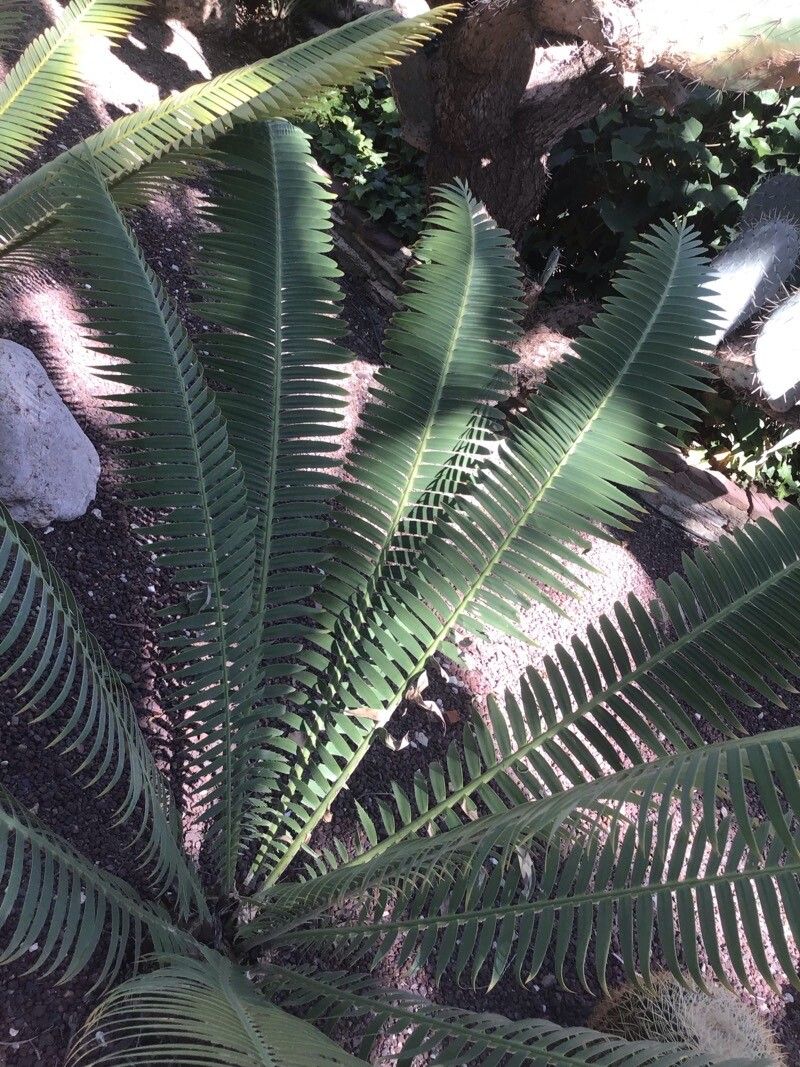
Hello there, fellow plant enthusiasts! Today, we’re going to dive into the fascinating world of propagating Dioon rzedowskii, a truly magnificent cycad. If you’ve ever admired its stately architectural form and lush, emerald foliage, you’re not alone. These ancient beauties bring a touch of the prehistoric to any garden or indoor space. Propagating them, while not exactly a “plant-it-and-forget-it” affair, is incredibly rewarding. For beginners, I’d say Dioon rzedowskii leans towards the moderately challenging side. It requires a bit of patience and attention to detail, but with the right know-how, you absolutely can succeed.
The Best Time to Start
Timing is everything, right? For Dioon rzedowskii, the sweet spot for propagation is generally during its active growing season. This usually means late spring through summer. You’re looking for healthy, mature plants that are actively producing new fronds. Trying to propagate from a plant that’s stressed or dormant is like asking it to perform a miracle on an empty stomach – it’s just not going to happen.
Supplies You’ll Need
Before we get our hands dirty, let’s gather our tools. Having everything ready makes the process so much smoother.
- Sharp, sterilized pruning shears or a clean knife: Essential for making clean cuts. Don’t want any nasty infections setting in!
- Well-draining potting mix: Cycads absolutely hate sitting in soggy soil. A mix of coarse sand, perlite, and a bit of peat moss works wonders for drainage. Some people even use a cactus/succulent mix.
- Rooting hormone (optional but recommended): This isn’t strictly necessary for every method, but it can significantly increase your chances of success, especially with somewhat stubborn cuttings. Look for a powder or gel formulation.
- Small pots or trays: Clean pots that are just big enough for your cuttings.
- Watering can with a fine rose or a spray bottle: For gentle watering.
- Labels and a permanent marker: Trust me, you’ll thank yourself later for labeling your experiments.
Propagation Methods
Dioon rzedowskii primarily propagates through offsets, or “pups,” that grow from the base of the parent plant. This is by far the most straightforward and successful method for home growers. Direct seeding is also possible but much slower and requires specific conditions. For the purpose of this guide, we’ll focus on offsets.
Propagating Offsets (Pups):
This is like giving your mature Dioon a chance to have babies! Mature plants often produce small offsets around their base.
- Gently remove soil: Carefully brush away the soil around the base of the parent plant using your hands or a soft brush. You want to clearly see the pups.
- Identify a promising pup: Look for a pup that is at least a few inches tall and appears to have its own root system starting to form. It should be firmly attached to the parent plant.
- Sever the connection: Using your sterilized pruning shears or knife, make a clean cut to separate the pup from the mother plant. Try to get as close to the parent as possible without damaging its main stem. Sometimes, you can even gently twist and pull them apart if they’re loosely attached.
- Allow to callus: This is a crucial step. Place the removed pup in a dry, shaded, and well-ventilated spot for several days to a week. You want the cut end to dry out and form a callus (a protective scab). This prevents rot when you plant it.
- Plant the pup: Once callused, lightly dust the cut end with rooting hormone if you’re using it. Then, plant the pup in your well-draining potting mix. You want to plant it deep enough so it stands upright, but don’t bury the entire pup. The callused end should be just below the surface.
- Water sparingly: Give it a light watering. The goal is to keep the soil slightly moist, not wet.
The “Secret Sauce” (Pro Tips)
Here are a few things I’ve learned over the years that can really make a difference:
- The power of patience: Cycads are slow growers, and their pups are no exception. Don’t expect rapid growth. It can take months, even a year or more, for a pup to really establish itself and show significant new growth. Just trust the process!
- Don’t overwater, especially at first: This is probably the most common mistake. Too much moisture is the enemy of a new pup. Wait until the top inch or so of the soil feels dry before watering again. Think “thirsty,” not “drowned.”
- Bottom heat for the win (if possible): If you have a greenhouse or a warm indoor spot, placing your potted pups on a gentle heating mat can really encourage root development. Cycads like a bit of warmth, and this can speed things up considerably.
Aftercare & Troubleshooting
Once your pup is in its new pot, treat it gently. Keep it in a bright, but not scorching, location. Avoid direct, intense sun for the first few months. Water only when the soil is dry.
Now, what if things go wrong? The most common issue you’ll face is rot. Signs of rot include a soft, mushy stem, a foul odor, or the pup turning black and disintegrating. If you spot this, remove the affected pup immediately to prevent it from spreading to other plants. Unfortunately, rot is often fatal, so prevention (good drainage, careful watering) is key. Another sign of not rooting well might be that the pup simply shrivels up over time without any signs of new growth. This can happen if it has insufficient stored energy or if conditions aren’t quite right.
A Encouraging Closing
Propagating your own Dioon rzedowskii is a journey. It’s about learning to read the plant, understanding its needs, and being a little bit patient. Don’t be discouraged if your first attempt isn’t a roaring success. Each plant is a learning experience, and the joy of watching a new cycad unfurl its first frond is truly something special. So, get your hands in the soil, be observant, and enjoy the slow, beautiful process of bringing more of these ancient wonders into your life. Happy gardening!
Resource: