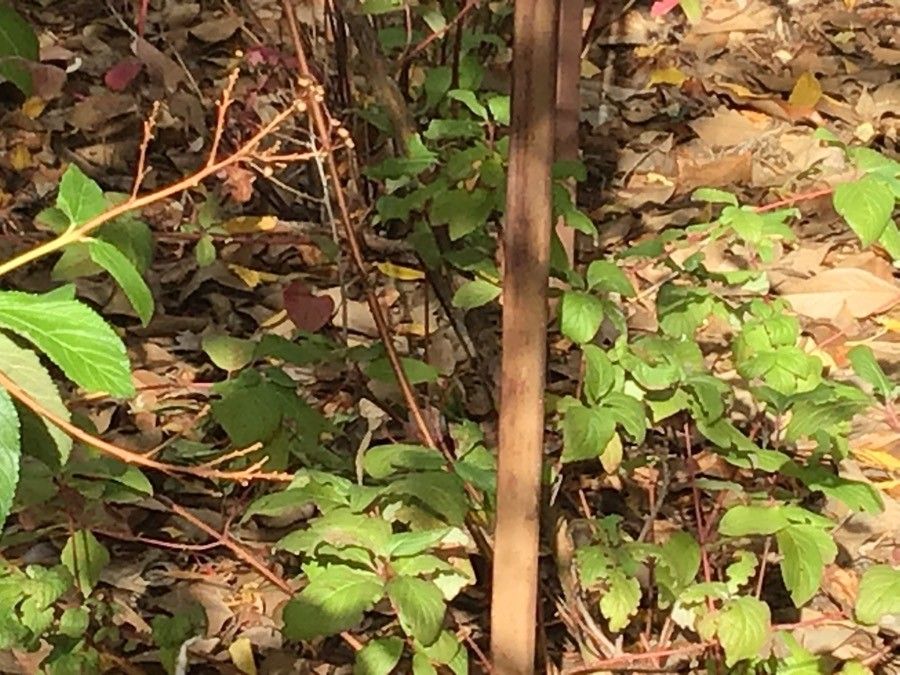
Oh, Cornus bretschneideri! Isn’t that a beauty? Also known as the Chinese Dogwood or, more romantically, the Snowberry Dogwood, this shrub is a real gem in the garden. It offers lovely white flowers in spring followed by those absolutely stunning red berries that last well into winter. Plus, its bark has this gorgeous reddish-brown hue in the dormant season. It’s truly a multi-season performer.
And guess what? Propagating it yourself is surprisingly rewarding. It’s not a finicky plant, which is great news for those of us who like dabbling in creating more of our garden favorites. While not quite as straightforward as sticking a coleus in water, it’s definitely within reach for most home gardeners.
When to Get Your Hands Dirty
The best time to start propagating Cornus bretschneideri is during the summer, when the stems are semi-hardwood. This means they’ve started to firm up but are still somewhat flexible. Think late June through August – that sweet spot when new growth has matured a bit but hasn’t fully turned woody. This stage gives you the best balance for successful rooting.
Your Propagation Toolkit
Gathering your supplies beforehand makes the whole process smoother. Here’s what you’ll want:
- Sharp Pruning Shears or a Knife: Clean cuts are crucial for preventing disease.
- Rooting Hormone: This isn’t strictly essential for every plant, but it really gives your Cornus cuttings a boost. Look for one containing IBA.
- Potting Mix: A well-draining mix is key. I like to use a blend of peat moss or coir, perlite, and a bit of compost. A 50/50 perlite/peat mix works wonders.
- Pots or Trays: Small pots, about 4-6 inches deep, are ideal. Make sure they have drainage holes!
- Plastic Bags or a Propagator: To keep the humidity high around your cuttings.
- Watering Can or Mister: Gentle watering is best.
Let’s Get Propagating!
We’ll focus on stem cuttings, as this is generally the most successful method for Cornus bretschneideri.
First, head out to your plant on a warm, overcast day if possible – the cuttings will handle the transition better. Select some healthy, vigorous shoots from the current year’s growth. Look for stems that have started to harden off but still bend a little.
Using your sharp pruning shears or knife, take cuttings that are about 6 to 8 inches long. Make the cut just below a leaf node – that little bump where a leaf emerges from the stem. This is where the rooting hormone and roots will want to form.
Now, carefully remove the lower leaves from your cuttings, leaving just a few at the very top. This prevents them from rotting in the soil and reduces moisture loss.
Dip the cut end of each stem into your rooting hormone, coating about an inch of the stem. Tap off any excess – you don’t want great big clumps.
Gently push the prepared cuttings into your potting mix. Make sure each cutting has at least two leaf nodes buried in the soil. Firm the soil gently around them.
Water the pots thoroughly until water drains from the bottom. Now, here’s where the humidity comes in. You can either place the pots inside a large, clear plastic bag (puff it up a bit first) or put them into a propagator with the lid on. This creates a mini-greenhouse effect.
Place the pots in a bright location but out of direct, harsh sunlight. A shaded spot on a patio or a bright windowsill is perfect.
The “Secret Sauce” from My Garden
Over the years, I’ve picked up a few tricks that seem to make a difference:
- Bottom Heat is Your Friend: If you have it, placing your pots on a propagation mat set to a gentle warmth (around 70-75°F or 21-24°C) can significantly speed up root development. It encourages roots to form from the bottom up.
- Don’t Be Afraid to “Wound”: For slightly tougher stems, a very light scoring of the bark on one or two sides of the lower stem on the cutting (about an inch long) before applying rooting hormone can sometimes encourage more root formation. Be gentle though – you’re not trying to peel the bark off!
- Air Circulation is Key: While you want high humidity, make sure to open the bags or propagator lids for a brief period each day (even just 5-10 minutes) to allow for some air exchange. This
Resource:
https://identify.plantnet.org/k-world-flora/species/Cornus%20bretschneideri%20L.Henry/data