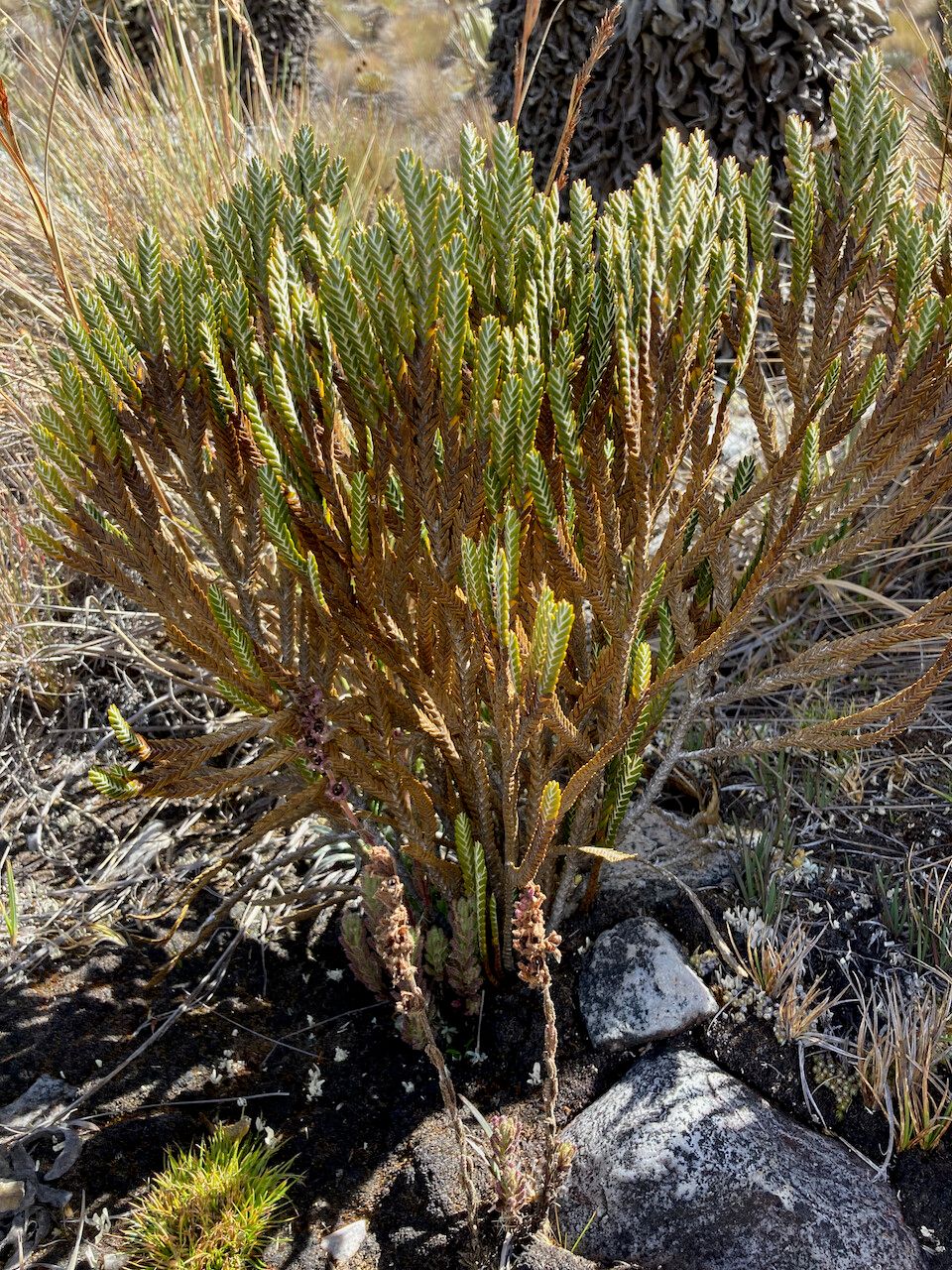
Hello fellow plant lovers! I’m thrilled to share my passion for propagating plants, and today we’re diving into the wonderfully textured world of Andicolea complanata. This gem, with its fascinating, flattened stems and unique appeal, is a joy to have around. And the best part? Learning to multiply it is incredibly rewarding. If you’re wondering about your beginner status, I’d say Andicolea complanata is moderately beginner-friendly. A little patience and attention go a long way!
The Best Time to Start
For the highest success rate with Andicolea complanata, I always recommend starting in the late spring to early summer. This is when the plant is actively growing and has plenty of energy to put into developing new roots. You’re looking for healthy, vibrant growth – no stressed or wilting bits!
Supplies You’ll Need
Here’s what you’ll want to have on hand before you get started:
- Sharp Pruning Shears or a Craft Knife: Clean cuts are crucial.
- Rooting Hormone (Optional but recommended): This can really give your cuttings a boost.
- Small Pots or Propagation Trays: Something with drainage holes is a must.
- Well-Draining Potting Mix: A good blend for succulents or cacti works perfectly. You can also mix in some perlite or pumice for extra aeration.
- Watering Can or Spray Bottle: Gentle watering is key.
- Clear Plastic Bag or Propagation Dome: To create a humid environment.
- Labeling Stakes: So you don’t forget what you’ve planted!
Propagation Methods
Let’s get our hands dirty! For Andicolea complanata, I’ve found two main methods to be most successful.
Stem Cuttings
- Select a Healthy Stem: Look for a stem that’s at least 3-6 inches long and appears firm and actively growing. Avoid any stems that look leggy or are showing signs of distress.
- Make a Clean Cut: Using your sterilized shears or knife, make a clean, angled cut just below a node (where a leaf or branch emerges from the main stem). This is where roots are most likely to form.
- Allow to Callus: This is a vital step! Let the cut end of the stem air dry for 2-3 days in a well-ventilated spot. You’ll see a dry, scab-like formation appear. This prevents rot when you plant it.
- Apply Rooting Hormone (Optional): If you’re using rooting hormone, dip the callused end into the powder, tapping off any excess.
- Plant the Cutting: Fill your small pot or propagation tray with your moisture-retentive potting mix. Gently insert the callused end of the cutting into the soil, ensuring at least one node is buried. Firm the soil gently around the base.
- Water Lightly: Give the soil a very light watering, just enough to moisten it. You don’t want to saturate it.
Water Propagation (for smaller offsets)
Sometimes, you’ll notice smaller offsets or pups that have already started to form on the mother plant. These can often be propagated in water.
- Gently Detach: Carefully pull or cut away a small offset. If it has any tiny roots already forming, that’s a bonus!
- Place in Water: Pop the base of the offset into a small jar or glass of clean water.
- Ensure Node is Submerged: Make sure at least one node (where leaves emerge) is in the water. Crucially, don’t let any of the leaves themselves be submerged. This is a common mistake that leads to rot.
The “Secret Sauce” (Pro Tips)
Here are a couple of things I’ve learned over the years that make a big difference:
- The Power of Humidity: Once you’ve planted your stem cuttings, cover the pot with a clear plastic bag or a propagation dome. This creates a mini-greenhouse effect, keeping the humidity high, which is essential for those cuttings to start rooting before they can really take up water from the soil. Poke a few small holes in the bag for some air circulation.
- Gentle & Consistent Moisture: Don’t overwater! The soil should feel barely moist, not soggy. If you’re doing water propagation, change the water every few days to keep it fresh.
- Bottom Heat is Your Friend: If you have the space, placing your pots on a gentle heat mat can significantly speed up root development. Andicolea complanata loves warm roots!
Aftercare & Troubleshooting
Once you see those tiny roots peeking out from the drainage holes (or the stem is firmly anchored in your water propagation jar), it’s time to transition!
For stem cuttings, you can gradually remove the plastic cover over a few days to acclimate them to normal humidity. Continue to keep the soil lightly moist. When the new growth starts to emerge, you know your cutting has successfully rooted! You can then treat it like a mature plant.
For water propagations, once a good root system has developed (an inch or two long), you can pot them up into well-draining soil, just like you would a stem cutting.
Now, about troubleshooting. The most common enemy is rot. If your cutting turns mushy, black, or smells foul, it’s likely rotted. This usually happens from too much moisture and poor airflow. If you catch it early, you might be able to salvage a healthy section by cutting off the rotted part and letting the clean end callus over again before attempting to propagate.
Keep Growing!
Propagating Andicolea complanata is a wonderful way to expand your collection and share the beauty of this plant with others. Don’t get discouraged if your first attempt doesn’t go perfectly. Gardening is a journey of learning and observation. Be patient, enjoy the process, and celebrate each new root you discover! Happy propagating!
Resource: