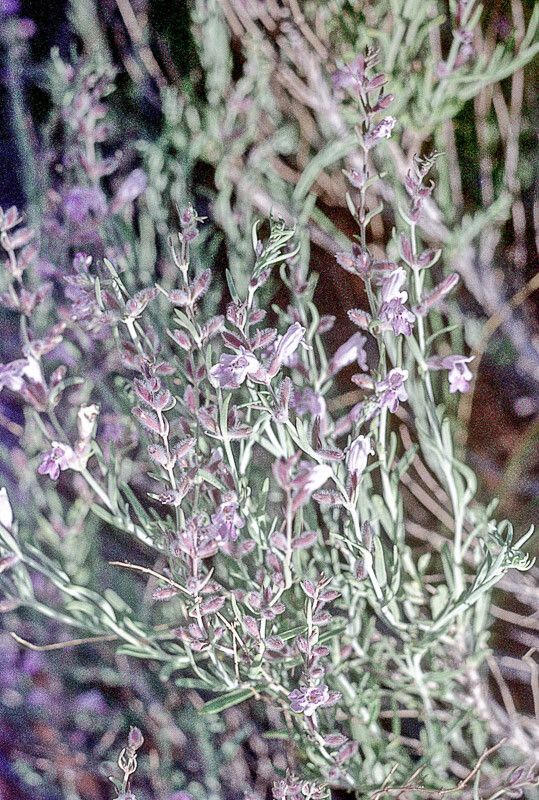
Hello there, fellow garden enthusiasts! It’s lovely to chat with you today. I’ve been getting my hands dirty in the soil for about two decades now, and I’m always thrilled to share what I’ve learned. Today, we’re diving into the wonderful world of propagating Poliomintha incana, also known as Mexican mint or False rosemary.
Why You’ll Love Propagating This Beauty
Poliomintha incana is such a joy. Its fragrant, silvery foliage smells absolutely divine, like a warm hug on a summer afternoon. It’s a fantastic plant for attracting pollinators, and its low-maintenance nature makes it a winner in my book. Propagating it is incredibly rewarding. Imagine filling your garden or pots with more of this lovely herb, all from just one plant! For beginners, I’d say Poliomintha incana is moderately easy to propagate. It’s not a fuss-budget, but a little care goes a long way to ensure success.
When to Get Your Hands Dirty
The sweet spot for propagating Poliomintha incana is during its active growing season. Late spring through early summer is usually your best bet. The plant is brimming with energy, and the cuttings will have a much better chance of rooting quickly. While you can try later in the season, you might find the cuttings take a little longer to establish.
Your Propagation Toolkit
Ready to get started? Here’s what you’ll want to have on hand:
- Sharp pruning shears or a clean knife: For making clean cuts on your stems.
- Small pots or seed trays: About 3-4 inches in diameter works well.
- Well-draining potting mix: A good mix for this often includes perlite and peat moss, or a cactus/succulent mix.
- Rooting hormone (optional but recommended): This gives your cuttings an extra boost.
- Plastic bags or a propagation dome: To create a humid environment.
- Water: For watering and, if you choose, for water propagation.
Let’s Get Growing: Propagation Methods
There are a couple of reliable ways to propagate Poliomintha incana. I find stem cuttings to be the most effective and straightforward.
Stem Cuttings: My Go-To Method
- Select your cutting: Look for healthy, non-flowering stems on your mature plant. You want stems that are flexible but not too soft – think of them like a firm pencil.
- Make the cut: Using your clean shears or knife, make a cut just below a leaf node (where a leaf attaches to the stem). Aim for cuttings that are about 4-6 inches long.
- Prepare the cutting: Gently remove the leaves from the bottom half of the cutting. This prevents them from rotting in the soil. You want at least two leaf nodes exposed.
- Apply rooting hormone (optional): Dip the cut end of the stem into your rooting hormone, tapping off any excess.
- Plant your cutting: Fill your small pots with your well-draining potting mix. Make a hole in the center with your finger or a pencil and carefully insert the cutting. Firm the soil gently around the base.
- Water and cover: Water the soil thoroughly until it’s moist but not waterlogged. Then, tuck your pot inside a clear plastic bag or place it under a propagation dome. This traps humidity, which is crucial for new cuttings.
Water Propagation: A Visual Treat
For those who love seeing roots develop, water propagation is a fun option.
- Take your cuttings: Follow steps 1-3 from the stem cutting method.
- Place in water: Put the prepared cuttings into a clean jar or glass filled with fresh water. Crucially, make sure no leaves are submerged in the water. Any foliage below the waterline will rot and can kill your cutting.
- Position and wait: Place the jar in a bright spot, but avoid direct, intense sunlight. Change the water every few days to keep it fresh. You should start to see tiny white roots appearing in a few weeks.
- Potting up: Once the roots are about an inch long, you can carefully transplant them into pots with your well-draining potting mix, treating them like established cuttings.
The “Secret Sauce”: My Insider Tips
Here are a few things I’ve learned over the years that can make a big difference:
- Bottom heat is your friend: If you have a seedling heat mat, placing your potted cuttings on it can significantly speed up root development. It mimics the warmth of spring soil and gives those roots an encouraging nudge.
- Don’t overwater: This is a common mistake. Cuttings need consistent moisture, but they hate sitting in soggy soil. Rot is the enemy of propagation, and too much water is often the culprit. I always tell people to water when the top inch of soil feels dry.
- The gentle shake test: After a few weeks, you can gently tug on a cutting. If you feel resistance, it means roots are forming! Don’t be too rough, though; we don’t want to dislodge any delicate new growth.
Aftercare and Knowing When Something’s Amiss
Once your cuttings have developed a good root system (you’ll see roots coming out of the drainage holes, or they’ll resist a gentle tug), it’s time to transition them to more regular care.
- Gradually acclimate: If your cuttings were covered, slowly remove the plastic bag or dome over a few days. This allows them to adjust to lower humidity.
- Water as needed: Water when the top inch of soil feels dry.
- Patience is key: They might look a little wobbly at first, but give them time to adjust.
- Signs of trouble: The most common issue is rot, which usually shows up as black, mushy stems. This is often due to overwatering or poor air circulation. Another sign is wilting that doesn’t improve after watering; this could mean the roots haven’t taken or the plant is suffering from shock. Sadly, once rot sets in, it’s very difficult to save the cutting.
Keep Growing!
Propagating Poliomintha incana is such a fulfilling part of gardening. It’s a chance to become more intimately familiar with your plants and to multiply the joy they bring. Don’t be discouraged if your first few attempts aren’t perfect. Every gardener, myself included, has had their share of cuttings that didn’t make it. Just keep trying, learning, and most importantly, enjoy the process of nurturing new life. Happy propagating!
Resource:
https://identify.plantnet.org/k-world-flora/species/Poliomintha%20incana%20(Torr.)%20A.Gray/data