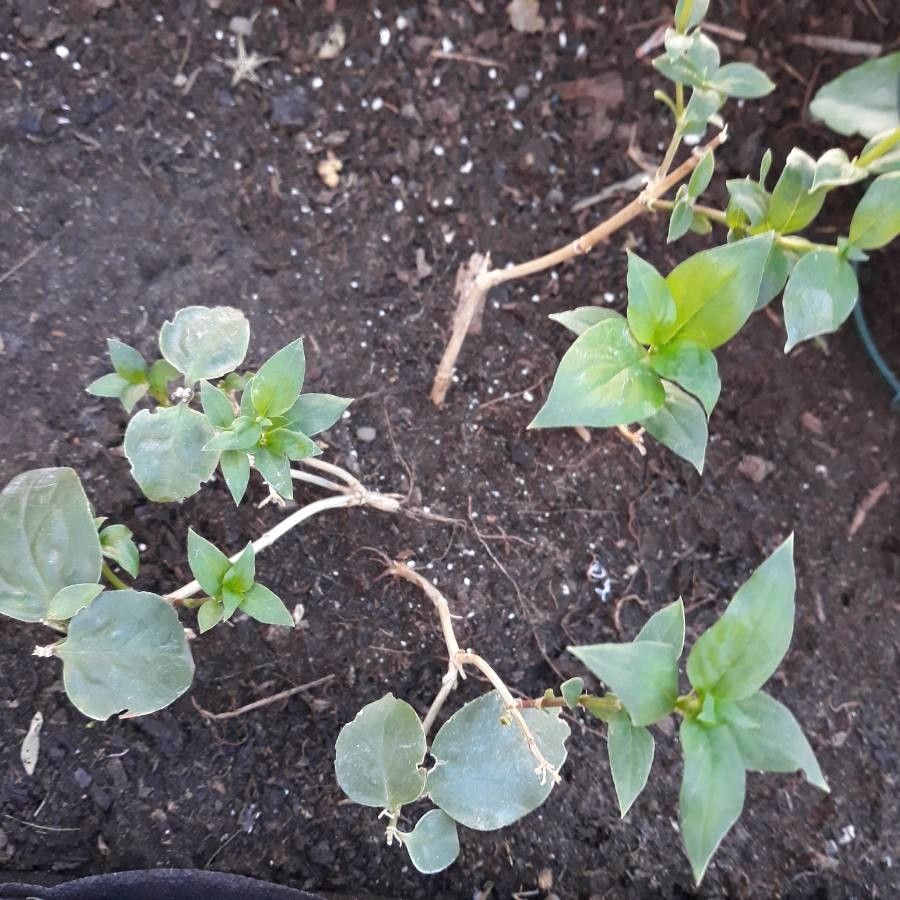
Hello fellow plant lovers! Today, we’re diving into the wonderful world of propagating Pentas glabrescens, often called Egyptian starcluster. Honestly, if you’re looking for a plant that packs a punch of color all summer long with those gorgeous, star-shaped blooms, this is it! They attract butterflies and bees like nobody’s business, and having a garden full of them, or even just a few pots on the patio, feels incredibly rewarding.
Now, you might be wondering if this is a tough one for beginners. I’m happy to report that Pentas glabrescens is surprisingly easy to propagate. It’s a fantastic plant to get your propagation feet wet with. Seeing a tiny twig transform into a flourishing new plant? Pure magic, and totally achievable with these beauties.
The Best Time to Start
For the very best results, I always recommend starting your Pentas glabrescens propagation in late spring or early summer. This is when the plant is actively growing and has plenty of energy to put into developing roots. You want to be taking cuttings from healthy, non-flowering stems, so look for bits that are new and vigorous, rather than woody old growth.
Supplies You’ll Need
Before we get our hands dirty, let’s gather our essentials:
- Sharp Pruning Shears or a Knife: Clean and sharp is key for making clean cuts that heal well.
- Rooting Hormone (Optional but Recommended): This can give your cuttings a nice boost. I like to use a powder or gel.
- Well-Draining Potting Mix: A mix of peat moss and perlite, or a commercial seed-starting mix, works beautifully.
- Small Pots or Seedling Trays: With drainage holes, of course!
- Plastic Bags or a Clear Dome: To create a humid environment.
- Watering Can or Spray Bottle: For gentle watering.
Propagation Methods
Let’s get propagating! We’ll focus on the most successful method for Pentas glabrescens: stem cuttings.
Stem Cuttings
This is my go-to for a reason! It’s efficient and gives you multiple new plants from a single parent.
- Take Cuttings: Select healthy stems that are about 4-6 inches long. Make a clean cut just below a leaf node (that little bump where a leaf grows from). Remove the lower leaves, leaving just a couple at the very top.
- Apply Rooting Hormone (Optional): If you’re using rooting hormone, dip the cut end of the stem into the powder or gel. Tap off any excess.
- Pot Them Up: Fill your small pots or trays with your prepared potting mix. Make a small hole in the center with your finger or a pencil.
- Insert Cuttings: Gently place the cut end of each stem into the hole, ensuring the leaf nodes are below the soil surface. Firm the soil gently around the stem to secure it.
- Water Gently: Water the soil thoroughly but gently, making sure not to dislodge your cuttings.
- Create Humidity: This is crucial! Cover the pots loosely with a clear plastic bag or place them under a clear dome. This traps moisture, mimicking the humid conditions cuttings need to thrive. Make sure the leaves don’t touch the plastic if possible – you can use small stakes to prop it up.
- Find the Right Spot: Place the pots in a bright location that receives indirect sunlight. Direct sun will scorch those tender new cuttings.
The “Secret Sauce” (Pro Tips)
Here are a couple of things I’ve learned over the years that really make a difference:
- Bottom Heat is Your Friend: If you can, place your pots on a heat mat. It’s like a cozy warm bed for those cuttings, encouraging root development much faster than just room temperature. You can often find these reptile heat mats repurposed for gardeners!
- Don’t Drown Your Dreams: When watering, it’s easy to overdo it, especially with new cuttings. I always prefer to water from the bottom when possible for propagation. Just pop the pots into a tray of water for about 15-20 minutes, letting the soil wick up what it needs. This prevents the top soil from becoming waterlogged, which can lead to rot.
Aftercare & Troubleshooting
Once your cuttings have been in their humid environment for a few weeks, you’ll start to see signs of new growth. You might notice tiny leaves unfurling at the top. The best way to check for roots is a gentle tug. If there’s resistance, congratulations! Roots are forming.
Once you see good root development (usually after 3-6 weeks), you can gradually acclimate your new plants to normal room humidity. Open the plastic bag or dome a little more each day for a week. Then, you can remove it entirely. Continue to keep them in bright, indirect light and water when the top inch of soil feels dry.
The most common problem you might encounter is rot. If you see stems turning mushy and black, it’s usually a sign of too much moisture and not enough air circulation. Unfortunately, rot is often fatal. If it’s localized, you can try to salvage the rest of the cutting, but often it’s best to start fresh to prevent spreading.
A Encouraging Closing
Propagating Pentas glabrescens is such a rewarding journey. Be patient with your new little ones. Some might take faster than others, and that’s perfectly okay. The satisfaction of nurturing a plant from a tiny cutting into its own established beauty is truly a gardener’s delight. Happy propagating!
Resource:
https://identify.plantnet.org/k-world-flora/species/Pentas%20glabrescens%20Baker/data