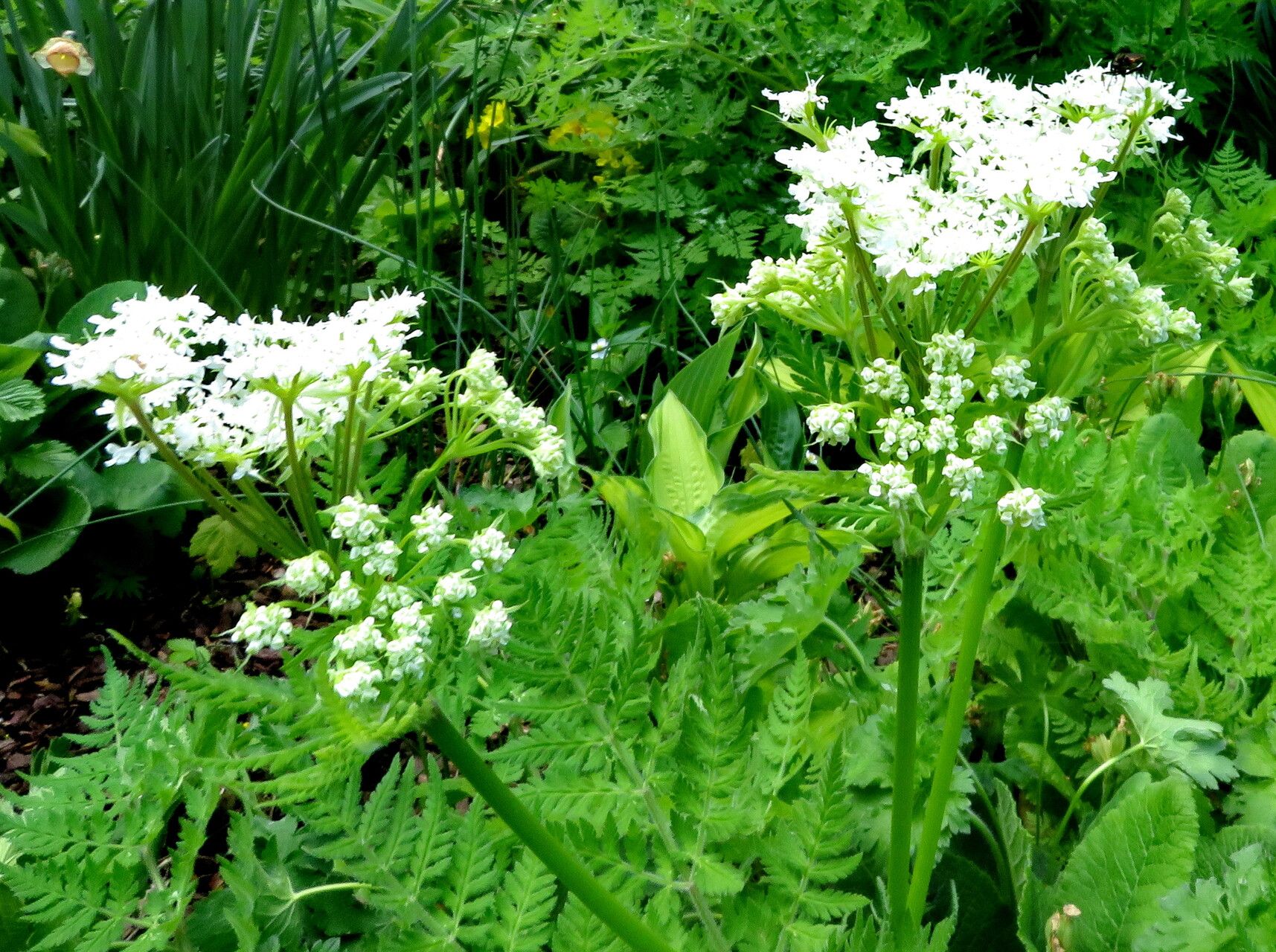
Oh, Sweet Cicely! Also known as Myrrhis odorata, this plant is just a delight to have in the garden. Its feathery, anise-scented leaves are beautiful, and it’s wonderfully useful in the kitchen – all parts of the plant are edible, with a lovely sweet flavor. If you’ve ever been charmed by its delicate beauty and gentle fragrance, you’ll be happy to know that propagating it is quite straightforward. It’s a fantastic plant for beginners looking to expand their herbal collection without too much fuss.
The Best Time to Start
For Sweet Cicely, the sweet spot for propagation is early spring. As soon as the soil starts to warm up and your plants are showing vibrant new growth, that’s prime time. You can also have success with cuttings taken in summer, but spring generally gives you the strongest start and more time for the new plants to establish themselves before winter.
Supplies You’ll Need
Here’s what I usually gather before I get started:
- Well-draining potting mix: A good quality seed starting mix or a blend of potting soil and perlite works wonderfully.
- Sharp pruning shears or a clean knife: For making neat cuts.
- Small pots or seed trays: With drainage holes, of course!
- Watering can with a fine rose attachment: To gently water your cuttings.
- Rooting hormone (optional but helpful): A powder or gel can give your cuttings a boost.
- Plastic bag or propagation dome: To create a humid environment.
Propagation Methods
Sweet Cicely is most easily propagated through division or stem cuttings.
Division (My Favorite for Ease!)
This is honestly the simplest way to get more Sweet Cicely.
- Dig it up gently: In early spring, carefully dig around the base of your established Sweet Cicely plant. Try not to disturb the roots too much.
- Separate the clumps: You’ll likely see that the plant has formed several distinct crowns or clusters of stems emerging from the root ball. Gently pull these apart with your hands. If they’re a bit stubborn, a clean knife or trowel can help. Make sure each division has a good set of roots attached.
- Replant immediately: Prepare new planting spots in your garden or fill pots with your potting mix. Plant each division at the same depth it was previously growing, firm the soil around it, and water it in well.
Stem Cuttings (A Little More Patience Required)
If you want to try cuttings, here’s how I do it.
- Select healthy stems: Look for nice, non-flowering shoots that are about 4-6 inches long. Take your cuttings in the morning after the dew has dried.
- Make the cut: Using your sharp shears, make a clean cut just below a leaf node (where a leaf attaches to the stem).
- Prepare the cutting: Remove the lower leaves from the cutting, leaving just a couple of leaves at the top. If you’re using rooting hormone, dip the cut end into it now, tapping off any excess.
- Pot them up: Fill your small pots with moistened potting mix. Make a hole with your finger or a pencil and gently insert the cutting, ensuring the leaf nodes are in the soil.
- Create humidity: Water gently, and then cover the pot with a clear plastic bag or place it inside a propagation dome. This keeps the humidity high, which cuttings love.
The “Secret Sauce” (Pro Tips)
- For cuttings, avoid letting the leaves touch the water if you’re using a semi-hydroponic method. While Sweet Cicely is forgiving, submerged leaves tend to rot before roots can form. Stick to moist soil for this one.
- If you’re taking a batch of cuttings, bottom heat can really speed things up. A seedling heat mat placed under your pots provides gentle warmth to encourage root development.
- Don’t be afraid to take more cuttings than you think you need. Not every cutting will take, so having a few extra increases your chances of success.
Aftercare & Troubleshooting
Once your divisions are planted or your cuttings have taken root (you’ll see new growth, and they’ll resist gentle tugging), it’s time for ongoing care.
- Watering: Keep the soil consistently moist but not waterlogged. As the new plants establish, they’ll become more drought-tolerant.
- Location: Place your pots in a spot that gets partial shade initially, especially if they’re a bit delicate or the sun is strong. Once they’re growing well, you can introduce them to more sun.
- Troubleshooting: The most common issue you might encounter is rot, especially with cuttings. If a cutting looks limp, mushy, or has turned brown and brittle, it’s likely rotted. This usually means it was too wet, not enough air circulation, or it simply didn’t root. For divisions, if they seem to be wilting significantly, ensure they have enough moisture and haven’t been disturbed too vigorously.
A Little Patience, A Lot of Reward
Propagating Sweet Cicely is a rewarding way to fill your garden or share this lovely herb with friends. Be patient with the process; each plant has its own timeline. Enjoy the journey of coaxing new life from your existing plants – there’s a special kind of magic in that. Happy gardening!
Resource:
https://identify.plantnet.org/k-world-flora/species/Myrrhis%20odorata%20(L.)%20Scop./data