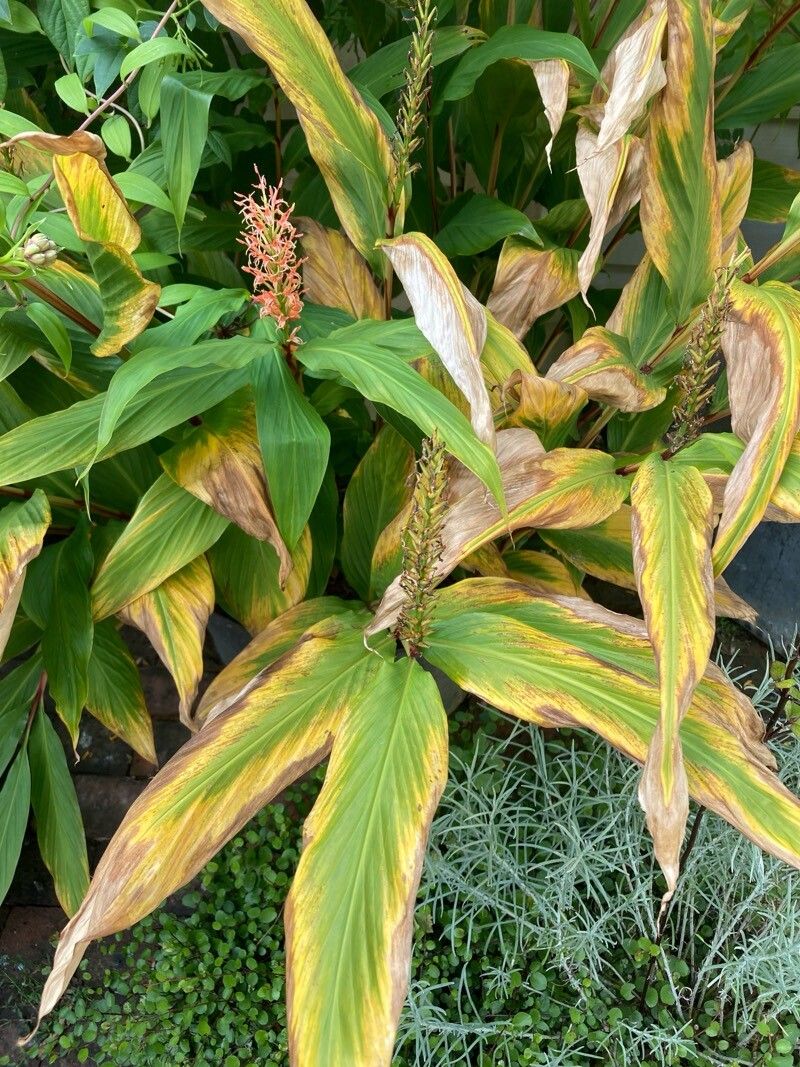
Hello there, fellow garden enthusiasts! I’m so delighted you’re interested in Hedychium densiflorum, often known as Ginger Lily. These beauties truly bring a touch of the exotic to any garden with their stunning, fragrant flower spikes that erupt in late summer and fall. They feel like something you’d stumble upon in a lush tropical rainforest, don’t they? Propagating them is an incredibly rewarding journey, and I promise, it’s not as daunting as it might seem. For beginners, I’d say it’s moderately easy – with a little patience and a few key tips, you’ll be well on your way to multiplying these treasures.
The Best Time to Start
The absolute best time to get your Hedychium densiflorum propagation underway is in the spring, just as new growth is appearing. This is when the plant is bursting with energy, and its rhizomes are plump and ready to divide. You can also propagate from cuttings in early summer, but the spring division method is generally the most foolproof.
Supplies You’ll Need
To set yourself up for success, gather these items:
- Sharp, clean pruning shears or a sturdy spade: For dividing the rhizomes.
- Well-draining potting mix: A blend of equal parts potting soil, perlite, and compost works wonderfully. You can also find specialized mixes for rhizomatous plants.
- Rooting hormone (optional but helpful): Especially if you’re trying stem cuttings.
- Small pots or containers: With drainage holes, of course.
- Watering can or spray bottle: For gentle hydration.
- Labels: To keep track of what you’ve planted!
Propagation Methods: The Magic of Division
For Hedychium densiflorum, the most successful and straightforward method is division. These plants grow from thick, fleshy underground stems called rhizomes, and these are what we’ll be working with.
- Gently Excavate: In the spring, carefully dig up your established Hedychium. You want to get as much of the root ball as possible without damaging the precious rhizomes.
- Clean Off Excess Soil: Gently brush away the dirt from the rhizomes. This will make it easier to see where to make your cuts. You’ll notice the rhizomes branch and have little growth buds, or “eyes.”
- Divide and Conquer: Using your clean pruning shears or spade, carefully divide the rhizome clump. Aim to get pieces that have at least one or two healthy growth buds and some good roots attached. Don’t be afraid to make firm cuts; the plant is robust and will heal.
- Inspect and Trim: Look for any damaged or mushy parts of the rhizomes and trim them away. This helps prevent rot.
- Plant Them Up: Place your divided rhizome sections into pots filled with your prepared, well-draining potting mix. Make sure the growth buds are pointing upwards and are just covered with soil.
- Water Gently: Water the newly potted divisions thoroughly but gently. You want the soil to be moist, not waterlogged.
The “Secret Sauce” (Pro Tips)
Here are a couple of tricks I’ve learned over the years that really make a difference:
- Give Them a Cozy Start: If your spring is still a bit chilly, using bottom heat can significantly speed up root development. A simple seedling heat mat placed under your pots will create a lovely warm environment for your divisions to thrive.
- Don’t Let Them Dry Out, But Don’t Drown Them: This is a delicate balance! While they are establishing, keep the soil consistently moist but never soggy. If you see the pots feel very light, it’s time for a drink.
Aftercare & Troubleshooting
Once your Hedychium divisions are planted, place them in a bright spot, but avoid direct, hot sun initially. They need time to settle in. Water them as needed, allowing the top inch of soil to dry slightly between waterings.
You’ll know they’re happy when you start seeing new shoots emerge from the soil within a few weeks. If you notice your Hedychium looking limp, it could be underwatering. However, the most common issue growers face is rot, which usually happens from overwatering or poor drainage. If a rhizome feels mushy and smells unpleasant, it has likely rotted. Sadly, these parts cannot be saved, so remove them promptly to prevent spreading.
A Little Patience Goes a Long Way
Watching something grow from a division into a full plant is one of the greatest joys of gardening. Don’t get discouraged if it takes a little time for new growth to appear. Be patient, enjoy the process of nurturing your new Hedychium densiflorum plants, and before you know it, you’ll have more of these tropical beauties to share or plant out! Happy gardening!
Resource:
https://identify.plantnet.org/k-world-flora/species/Hedychium%20densiflorum%20Wall./data