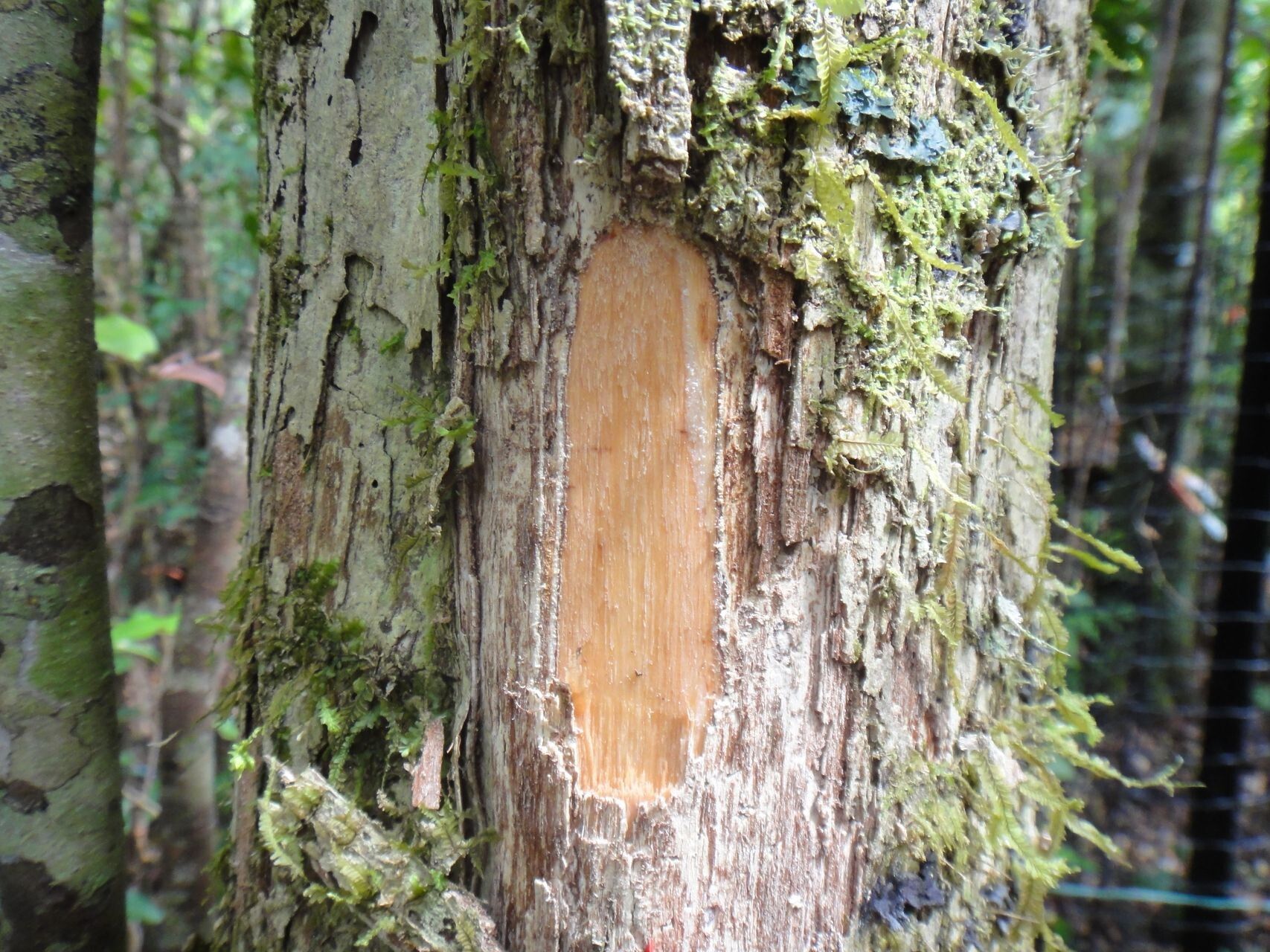
Oh, hello there! Grab a mug, let’s chat about one of my favorite, under-the-radar beauties: Gossia vieillardii. It’s a truly delightful shrub, isn’t it? With its glossy, dark green leaves and charming, often fragrant flowers, it brings a touch of the tropics right into our gardens. And the best part? You can easily multiply this joy for yourself or to share with fellow plant lovers. If you’re new to propagating, don’t worry, Gossia vieillardii is quite forgiving, making it a wonderful plant for beginners looking to get their hands dirty.
When is “Go Time”?
Honestly, the absolute sweet spot for propagating Gossia vieillardii is when the plant is actively growing. Think spring or early summer. You want to work with cuttings that are neither too soft and new (they’ll be too floppy) nor too woody and old (they’ll be too stiff to root easily). Look for stems that have started to mature a bit but are still flexible.
Your Propagation Toolkit
Gathering the right supplies makes all the difference. It’s like having your ingredients ready before you start baking!
- Sterilized pruning shears or a sharp knife: Cleanliness is key to prevent disease.
- A good quality potting mix: I like a blend that’s airy and drains well. A mix of peat moss, perlite, and a bit of compost works wonders for me. You can also find specialized seedling or cutting mixes.
- Small pots or trays: Clean pots are a must! Small ones are perfect for starting out.
- Rooting hormone (optional, but recommended): This can give your cuttings a helpful boost. Look for one with IBA (indole-3-butyric acid).
- Plastic bags or a propagation dome: To create a humid microclimate.
- Water spray bottle: For misting.
Bringing New Life to Your Gossia
I find stem cuttings to be the most reliable way to propagate Gossia vieillardii. Here’s how I do it:
- Take Your Cuttings: In the spring or early summer, select a healthy stem. Using your sterilized shears, take cuttings that are about 4 to 6 inches long. Try to make your cut just below a leaf node (where a leaf attaches to the stem). These nodes are where the magic happens – that’s where roots are most likely to form.
- Prepare the Cuttings: Gently remove the lower leaves from the cutting, leaving just a few at the top. This prevents them from rotting once they’re in the soil. If you’re using rooting hormone, dip the cut end into it. Tap off any excess.
- Planting Time: Fill your clean pots with your prepared potting mix. Make a small hole in the center of the soil with your finger or a pencil.
- Insert the Cutting: Carefully place the prepared cutting into the hole, ensuring the leaf nodes are below the soil surface. Gently firm the soil around the stem to hold it in place.
- Create Humidity: Water the soil lightly. Then, place a plastic bag over the pot, securing it around the rim with a rubber band, or put the pot inside a propagation dome. This creates that lovely, humid environment cuttings crave.
- Find a Cozy Spot: Place your potted cuttings in a bright spot, but out of direct sunlight. Too much sun can scorch those tender cuttings.
A Few Insider Secrets
Here are a couple of things I’ve learned over the years that really help with Gossia vieillardii:
- Bottom Heat is Your Friend: Gossia vieillardii loves a bit of warmth from below. If you have a heat mat designed for seedlings, popping your pots on top of it can significantly speed up the rooting process. It mimics that lovely warmth from the soil in its native environment.
- Don’t Forget to Breathe: Even with the plastic bag, it’s a good idea to “air out” your cuttings for a few minutes each day or every other day. This helps prevent fungal issues and encourages air circulation. Just lift the bag or dome, let them breathe, and then replace it.
Nurturing Your New Sprouts
Once your cuttings have been in their humid little world for a few weeks, you might start to see new leaf growth. This is a fantastic sign! You can also gently tug on the cutting – if there’s resistance, it means roots have formed.
Once roots are established, gradually acclimate your new plants to normal humidity by slowly opening the plastic bag or propagation dome over a week or so. Water them when the top inch of soil feels dry.
If you notice mushy stems or yellowing leaves that progress quickly, that’s usually a sign of rot, often caused by too much moisture and poor air circulation. If you see this, it’s best to discard the affected cutting and pay close attention to drainage and airflow for the others.
Happy Planting!
Propagating plants is such a rewarding hobby. It connects you to the natural cycles of life, and there’s a special kind of magic in nurturing something from a tiny cutting into a thriving plant. Be patient with your Gossia vieillardii cuttings, give them a little TLC, and enjoy the process! You’ve got this.
Resource: