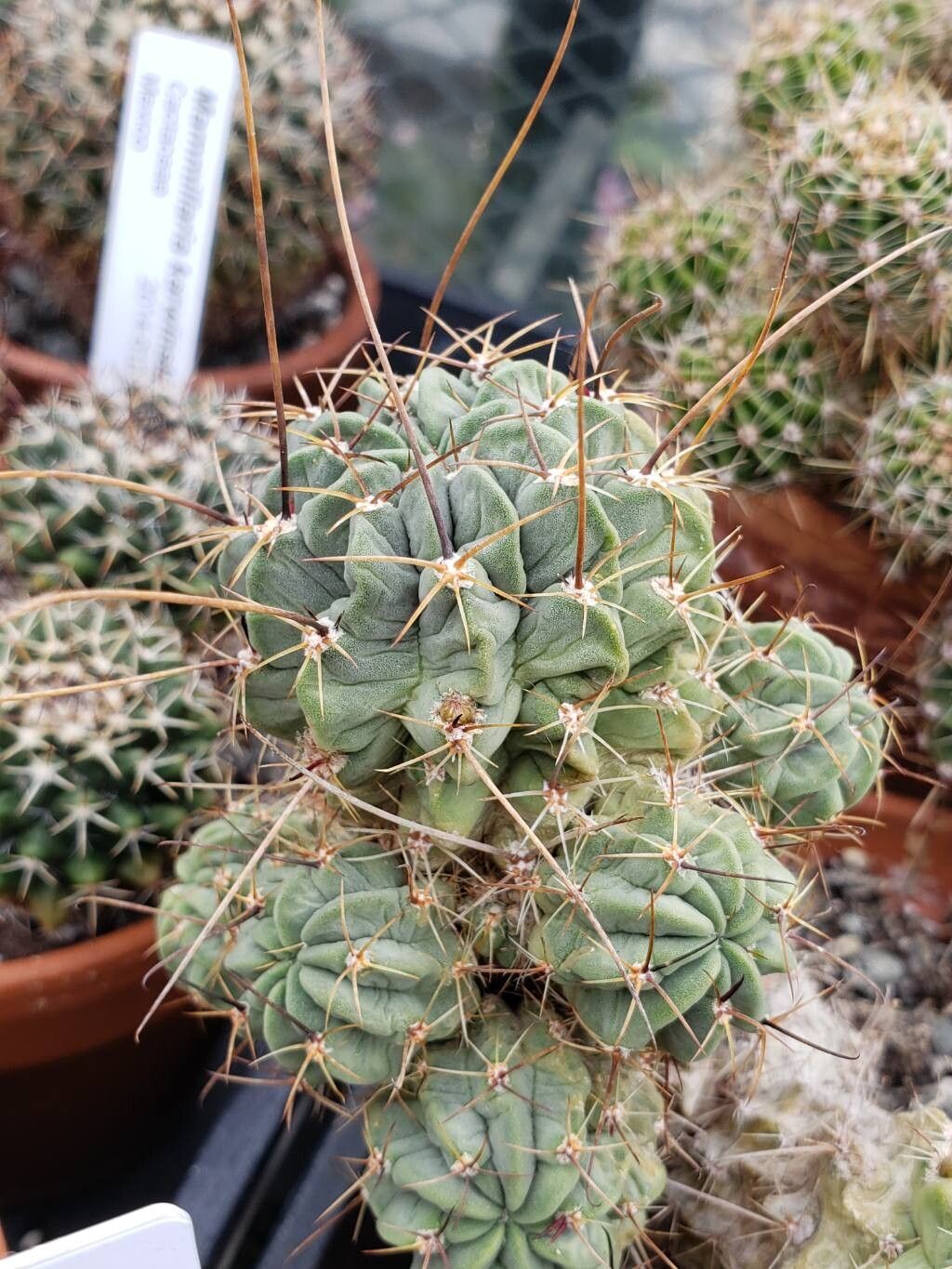
Hello fellow plant lovers! It’s so nice to have you here. Today, we’re going to talk about a truly special cactus: Echinopsis marsoneri. If you’ve ever admired these beauties, with their stunning flowers and intriguing shapes, you’re in for a treat! Propagating them is incredibly rewarding, and I’m thrilled to share my secrets with you. Honestly, for Echinopsis marsoneri, I’d say it’s quite forgiving, making it a great plant to practice your propagation skills on, even if you’re just starting out.
The Best Time to Start
When it comes to giving your Echinopsis marsoneri pups the best chance to thrive, spring and early summer are your golden ticket. This is when the plant is actively growing, meaning it has the energy reserves to heal from cuts and put out roots much more readily. You’ll see new growth spurts around this time, which is a tell-tale sign it’s ready for a little propagation adventure.
Supplies You’ll Need
Gathering your tools beforehand makes the whole process smoother. Here’s what I usually have on hand:
- Sharp, clean pruning shears or a very sharp knife: For neat, clean cuts. Think surgical precision!
- Rooting hormone (optional but recommended for a boost): I like to use a powder formula.
- Well-draining cactus and succulent mix: This is non-negotiable for preventing rot. You can buy a commercial blend or make your own with potting soil, perlite, and coarse sand.
- Terra cotta pots or succulent-specific plastic pots: Terra cotta breathes well, which is a plus.
- A spray bottle: For gentle misting.
- Newspaper or paper towels: For drying cuttings.
- Labels: To keep track of what you’ve propagated!
Propagation Methods
There are a couple of really effective ways to multiply your Echinopsis marsoneri. Let’s dive in!
Stem Cuttings (Offset “Pups”)
This is by far the most common and successful method for Echinopsis marsoneri. These cacti often produce little baby plants, or “pups,” right at the base or along the sides of the main stem.
- Locate a healthy pup: Look for a pup that’s at least an inch or two in diameter. It should look plump and firm.
- Gently detach the pup: Using your clean shears or knife, carefully cut the pup away from the mother plant. Try to get as clean a cut as possible, and if it has small root nubs already attached, that’s a bonus!
- Allow to callous: This is a critical step! Place the detached pup on a clean paper towel or newspaper in a well-ventilated, bright spot out of direct sun. Let it dry and form a protective scab, or “callous,” over the cut end. This can take anywhere from a few days to a week or two, depending on your humidity. Do not rush this!
- Potting up: Once calloused, you can plant your pup. Fill a small pot with your well-draining mix. Make a small well in the center and stand the calloused end of the pup in it. You can gently firm the soil around it to keep it upright, but don’t pack it down too tightly. If you’re using rooting hormone, lightly dip the calloused end in it before placing it in the soil.
- Water sparingly: Wait a few days after potting before the first light watering. You want the soil to be barely moist. Misting the surface occasionally with your spray bottle is often enough until you see signs of active growth.
Water Propagation (Less Common, but Possible)
While not my preferred method for Echinopsis marsoneri, some folks have success with water propagation. It requires a bit more attention to detail.
- Prepare the cutting: Follow steps 1-3 from the stem cutting method. Ensure the cut end is completely calloused.
- Place in water: Get a clean jar or glass and fill it with water. Place the calloused end of the pup just touching the surface of the water, or very slightly submerged. Crucially, ensure no part of the cactus itself is submerged. Only the cut end should be in contact with water.
- Change water regularly: Change the water every couple of days to keep it fresh and prevent bacterial growth.
- Monitor for roots: You should start to see small roots forming within a few weeks.
- Potting up: Once the roots are about an inch long, carefully transfer the pup to a pot with your well-draining soil mix, as described in step 4 of the stem cutting method.
The “Secret Sauce” (Pro Tips)
Here are a couple of things I’ve learned over the years that really make a difference:
- Don’t be afraid of a clean cut: A clean break might leave a larger surface area for potential infection. Use your sharpest tool and make a decisive cut. It heals better and faster than a jagged tear.
- Embrace the dry period: That callousing phase is your best friend. It’s nature’s way of preventing the wound from getting infected. Resist the urge to water or mist it until it’s fully healed. Patience here is rewarded tenfold.
- Gentle humidity, not soaking: When you do start watering after potting, be gentle. I love using a spray bottle to lightly mist the soil surface initially. It mimics a gentle rain and avoids waterlogging the new, tender roots.
Aftercare & Troubleshooting
Once roots begin to appear (you might see them pushing out the drainage holes, or feel a slight resistance when you gently tug), you can transition to more regular watering. Water thoroughly but allow the soil to dry out completely between waterings.
The biggest enemy here is rot. If your pup turns mushy, black, or develops dark, soft spots, it’s likely rot. This usually happens from too much moisture, especially if the cutting didn’t callous properly or if the soil mix isn’t draining well. If you catch it early, you might be able to cut away the rotten part and let the rest callous again. But often, it’s a sign that the cutting isn’t going to make it. Don’t despair! Just try again, focusing on that dry callousing period and well-draining soil.
A Encouraging Closing
Propagating Echinopsis marsoneri is a journey, and like any good gardening adventure, it’s filled with learning and discovery. Be patient with your new little plants, celebrate every new root and every tiny bit of growth. The process itself is incredibly rewarding, and soon you’ll have even more of these wonderful cacti to enjoy and share. Happy propagating!
Resource:
https://identify.plantnet.org/k-world-flora/species/Echinopsis%20marsoneri%20Werderm./data