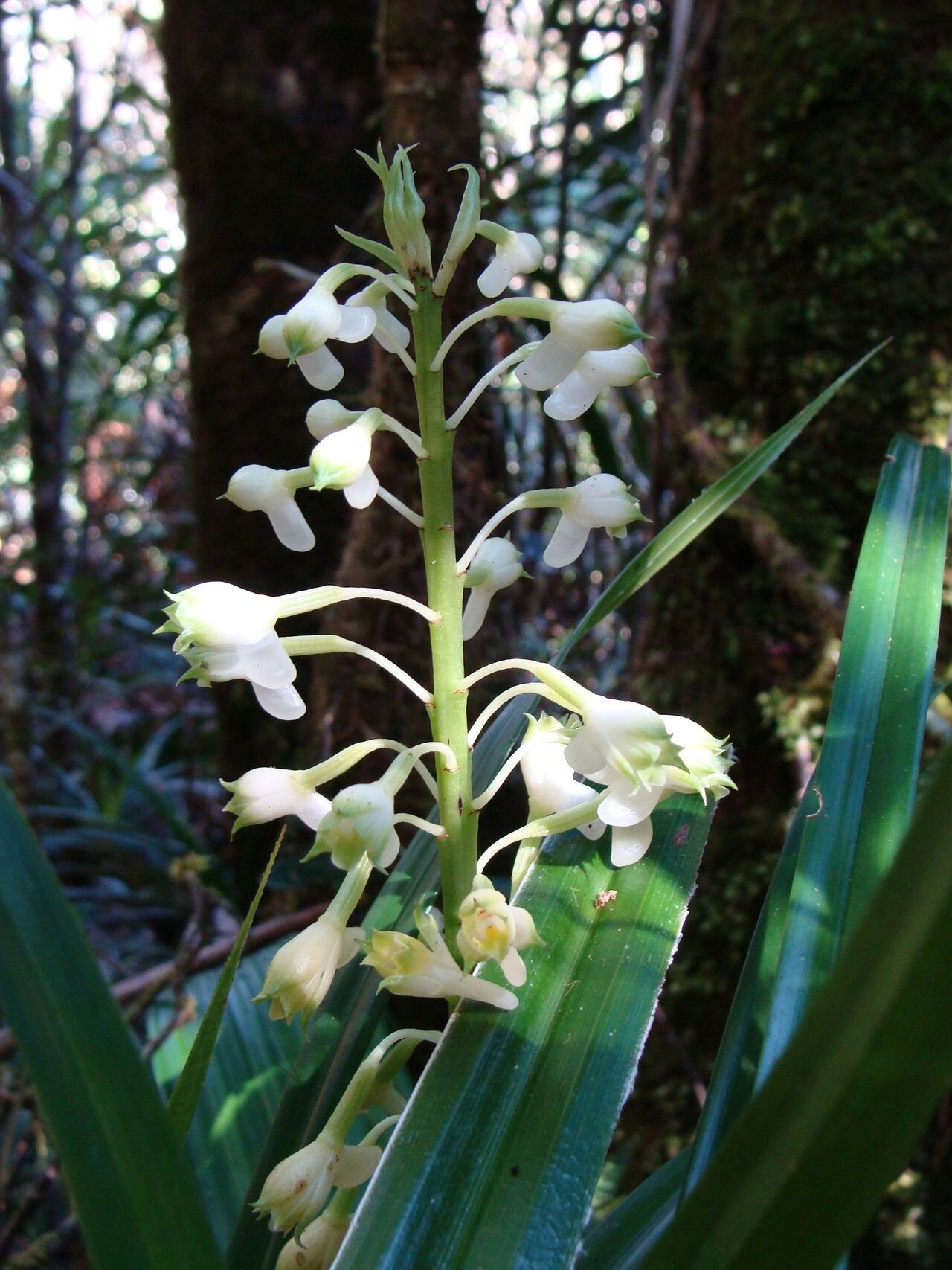
Oh, hello there! I’m so glad you’re interested in propagating some Calanthe balansae. If you’ve ever seen one of these beauties in bloom, you know they’re something special. Their delicate, orchid-like flowers are simply breathtaking, and honestly, there’s a unique joy in nurturing a brand new plant from a piece of an existing one. Now, to be upfront, Calanthe balansae isn’t the absolute easiest plant to start from scratch for a complete beginner. It requires a little bit of specific care, but with a patient approach and these tips, I’m confident you can have success!
When’s the Sweet Spot?
The best time to get your hands dirty with Calanthe balansae propagation is generally after the plant has finished its blooming cycle and is entering its active growing or pseudobulb development phase. For most of these beauties, this means spring or early summer. You’ll see new growth emerging, and that’s prime time to encourage new life.
What You’ll Need to Get Started
Gathering your supplies beforehand makes the whole process so much smoother. Here’s what I recommend:
- Sharp, sterilised pruning shears or a clean knife: For making precise cuts and preventing disease.
- A quality orchid potting mix: I prefer a mix with good drainage – think bark, perlite, and charcoal.
- Small pots or trays: With drainage holes, of course!
- Rooting hormone (optional, but helpful): A powder or gel form can give your cuttings a boost.
- A spray bottle: For gentle misting.
- Clear plastic bags or a propagation dome: To maintain humidity.
- A small watering can with a fine rose: For delicate watering.
Let’s Get Propagating!
The most reliable way to propagate Calanthe balansae is through division, especially when your established plant is looking a bit crowded.
Division Method:
- Gently remove your Calanthe balansae from its pot. You might need to tap the pot or carefully run a knife around the edge to loosen it.
- Carefully tease apart the pseudobulbs. Look for natural separation points where new roots are already forming or where there are at least one or two healthy pseudobulbs and some intact roots attached to each section you’re separating.
- Inspect the divisions. Make sure each piece has at least a couple of healthy pseudobulbs and a bit of root system. If any pieces look unhealthy or are just single leaves without a pseudobulb, they likely won’t survive.
- Trim away any damaged or dead roots with your sterilised shears.
- Allow the cut surfaces to air dry for a day or two. This helps prevent rot when you repot. You can place them on a dry paper towel in a well-ventilated area.
- Pot each division into its own small pot filled with your orchid potting mix. Make sure the pseudobulbs are just at the surface or slightly buried.
- Water lightly and place the newly potted divisions in a warm, humid spot with bright, indirect light.
My “Secret Sauce” Tips
Here are a few things I’ve learned over the years that really make a difference:
- Don’t be too aggressive with the division. It’s better to leave a slightly larger division with more roots than to break off precious bits. Patience is your friend here.
- Bottom heat can be a game-changer. If you can, place your pots on a gentle heat mat set to around 70-75°F (21-24°C). This encourages root development without drying out the growing medium too quickly.
- Humidity is key, but keep it airy. While we want to keep the air moist around the new divisions, stagnant air can lead to fungal issues. A propagation dome or a loosely tied plastic bag over the pot works well, but open it for a good airing out every day or two.
Keeping Them Happy and Healthy
Once your divisions show signs of new growth – you’ll see tiny leaves unfurling or perhaps new roots peeking out from the pot – you’re on your way!
- Continue to water sparingly. Let the potting mix dry out slightly between waterings. Orchids hate soggy feet!
- Keep them in bright, indirect light. Avoid direct sun, which can scorch delicate new leaves.
- Watch out for rot. The biggest enemy of new cuttings is often rot. If you see a pseudobulb turning mushy and dark, it’s likely gone. Remove it immediately and try to figure out if you’re overwatering or if the air circulation isn’t good enough.
A Little Patience Goes a Long Way
Propagating Calanthe balansae is a wonderfully rewarding journey. It takes time, and sometimes nature has other plans, but don’t be discouraged if your first attempt isn’t perfect. Learn from it, adjust your approach, and keep trying. The satisfaction of watching your new plants flourish will be absolutely worth it. Happy gardening!
Resource:
https://identify.plantnet.org/k-world-flora/species/Calanthe%20balansae%20Finet/data