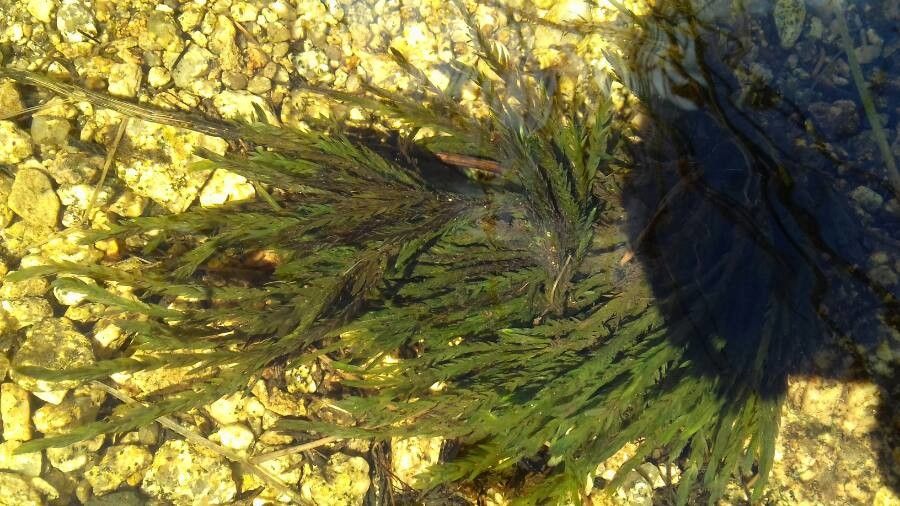
Hello there, fellow plant lovers! Today, we’re diving into the wonderful world of Blechnum francii. If you’re drawn to ferns with their delicate fronds and air of ancient charm, you’ll adore this one. Blechnum francii, with its elegantly arching, lacy fronds, brings a touch of the tropics right into our homes. Propagating it is a deeply satisfying journey, watching a tiny piece of your beloved plant transform into a whole new being. For beginners, I’d say it’s moderately easy – a little patience goes a long way, and success is definitely within reach!
The Best Time to Start
When you’re thinking about starting new Blechnum francii plants, aim for late spring or early summer. This is when the plant is in its most vigorous growth phase. The longer, warmer days provide excellent energy for root development. You’ll want to work with healthy, actively growing fronds, not those that look tired or are showing signs of stress.
Supplies You’ll Need
Gathering your tools before you begin makes the whole process smoother. Here’s what I like to have on hand:
- Sharp, clean pruning shears or a sharp knife: For making clean cuts.
- Well-draining potting mix: A good blend for ferns usually includes peat moss, perlite, and orchid bark. You want something that holds moisture but doesn’t stay waterlogged.
- Small pots or propagation trays: Clean ones are a must to prevent disease.
- Clear plastic bags or a propagation dome: To maintain humidity.
- Rooting hormone (optional but helpful): Especially for division.
- Watering can with a fine rose: For gentle watering.
Propagation Methods
Blechnum francii is most commonly and successfully propagated through division. It’s a straightforward method that usually yields great results.
Division: Giving Your Fern a New Lease on Life
This is my go-to method for ferns like Blechnum francii. It’s like gently splitting a larger plant into smaller, independent individuals.
- Gently remove the plant from its pot. If it’s a large or established plant, you might need to gently tap the sides of the pot or even slide a trowel around the edge to loosen it.
- Inspect the root ball. Look for obvious natural divisions. You’ll often see sections of the root system that are already somewhat separated, with their own crowns (where the fronds emerge).
- Carefully separate the divisions. You can often do this with your hands. If the roots are tangled, use your clean pruning shears or knife to make a clean cut. Ensure each division has at least a few healthy fronds and a good portion of roots. Don’t be afraid if you lose a few tiny root hairs; they’ll grow back.
- Pot up each division. Use your well-draining potting mix. Plant each division in its own pot, ensuring the crown is at or slightly above the soil surface. Gently firm the soil around the roots.
The “Secret Sauce” (Pro Tips)
Now for a couple of tricks I’ve picked up over the years that often make a real difference:
- Mimic their native environment by keeping humidity high. After potting your divisions, immediately cover them with a clear plastic bag or a propagation dome. This creates a mini-greenhouse, crucial for keeping the delicate new roots from drying out. Just make sure the fronds aren’t directly touching the plastic, as this can encourage rot. You can prop up the bag with a few stakes if needed.
- Choose the right spot for starting. I like to place my newly divided and potted ferns in a spot that receives bright, indirect light. Avoid direct sun, which can scorch those tender young fronds. A little bottom warmth can also be a plus if you have a propagation mat, but it’s not strictly essential if you’re propagating in the warmer months.
Aftercare & Troubleshooting
Once your Blechnum francii division is potted, keep the soil consistently moist but not soggy. Water when the top inch of soil feels dry to the touch. Remember to gently ventilate the plastic bag or dome daily for a few minutes to prevent mold and mildew.
The most common sign of trouble is rot. If you see browning or blackening of the fronds, especially at the base, it’s usually a sign of too much moisture and poor air circulation. If this happens, remove the affected parts immediately and ensure better air flow. Sometimes, a division might not take, and the fronds will simply wither away. Don’t despair! It happens. Just try again when conditions are right.
With proper care, you should start to see new frond growth emerging from the crown within a few weeks to a couple of months. This is your sign of success!
So, go ahead and give it a try! Propagating Blechnum francii is a wonderful way to expand your fern collection and share the joy of gardening. Be patient, observe your new plants, and enjoy the magic of watching them grow. Happy propagating!
Resource:
https://identify.plantnet.org/k-world-flora/species/Blechnum%20francii%20Rosenst./data