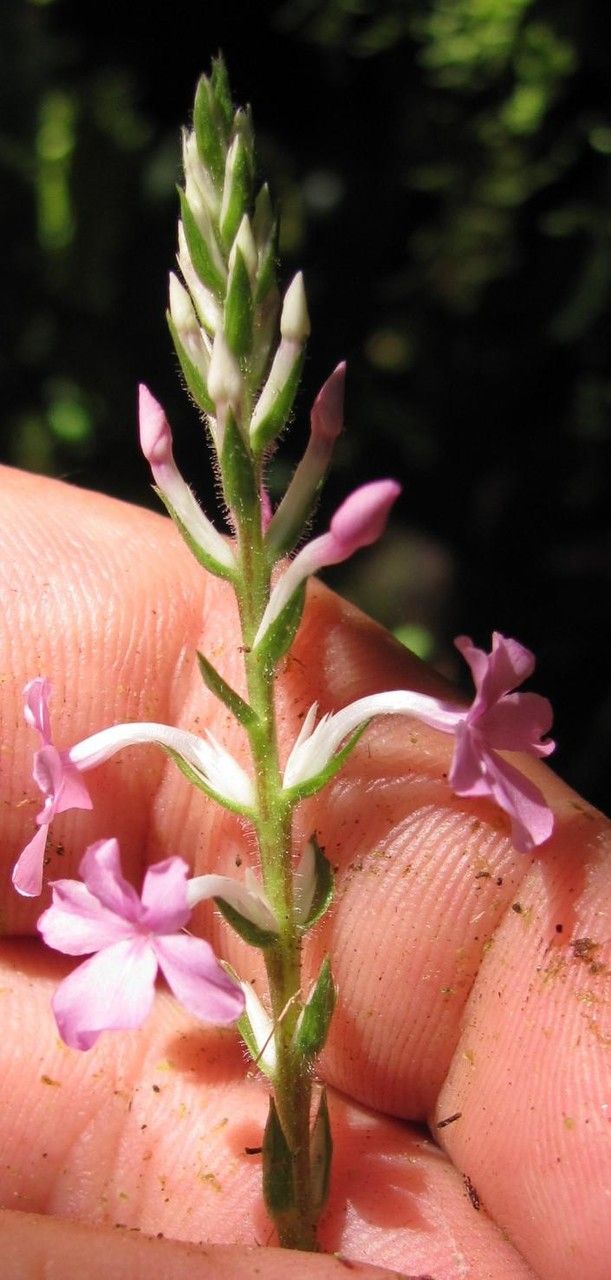
Oh, hello there, fellow plant enthusiast! It’s wonderful to have you join me today. We’re going to chat about a truly striking houseplant, the Aphelandra tonduzii, often called the Zebra Plant. Its bold, striped leaves are a real conversation starter, and honestly, seeing new life spring from a piece of an existing plant is just the most satisfying feeling. Now, about propagating it – is it a breeze for beginners? I’d say it’s a lovely plant to try and propagate, but it might take a little more patience than, say, a spider plant. It’s a rewarding challenge, though, and absolutely worth the effort!
The Best Time to Start
When is the magic window for propagating Aphelandra tonduzii? For me, it’s always during the peak growing season, which is typically late spring through summer. You know, when the days are longer, the light is brighter, and the plant is just bursting with energy. Starting when the plant is actively growing really gives your cuttings the best chance to thrive and develop strong roots.
Supplies You’ll Need
Before we dive in, let’s make sure we have our tools ready. It’s always good to be prepared!
- Sharp pruning shears or a clean knife: For making clean cuts.
- A well-draining potting mix: I like to use a special blend for cuttings. A good starting point is 50% peat moss or coco coir and 50% perlite. This keeps things nice and airy.
- Small pots or propagation trays: Whatever you have that can hold your cuttings. Ensure they have drainage holes!
- Rooting hormone (optional but recommended): This gives your cuttings a little boost in developing roots.
- A clear plastic bag or dome: To create a humid environment.
- Spray bottle: For misting.
- Perlite or vermiculite: For added drainage and aeration if you’re not making your own mix.
Propagation Methods
We’ll focus on the most reliable method for the Aphelandra tonduzii: stem cuttings. It’s straightforward and generally yields great results.
- Take Your Cuttings: During the growing season, look for healthy, non-flowering stems on your mature plant. You want stems that are firm but not woody. Using your sharp shears or knife, make a clean cut just below a leaf node (the point where a leaf attaches to the stem). Aim for cuttings that are about 4-6 inches long and have at least two or three leaf nodes.
- Prepare the Cutting: Gently remove the lower leaves from the stem, leaving just one or two sets of leaves at the very top. This prevents them from rotting when buried in the soil. If you’re using rooting hormone, dip the cut end of the stem into it now, tapping off any excess.
- Planting the Cuttings: Fill your small pots or propagation trays with your prepared well-draining mix. Make a little hole in the center of the soil with your finger or a pencil. Carefully insert the cut end of your Aphelandra cutting into the hole, ensuring at least one leaf node is buried under the soil surface. Gently firm the soil around the stem.
- Create a Humid Environment: This is crucial! Water the soil lightly until it’s moist but not soggy. Then, cover the pot or tray with a clear plastic bag or a propagation dome. This will trap in moisture and create the humid microclimate your cuttings need to root. You can use chopsticks or skewers to keep the plastic bag from touching the leaves.
The “Secret Sauce” (Pro Tips)
Alright, now for some of those little tricks of the trade that can make all the difference:
- First off, don’t let the leaves touch the soil surface at all. They’ll just sit there and rot, which is the last thing we want. Removing those lower leaves is your best defense against that.
- And this is a big one, especially for plants like the Aphelandra: bottom heat is your friend! If you have a seedling heat mat, placing your propagation tray on it can significantly speed up root development. It mimics the warmth of a mother plant pushing out new growth. Just make sure the soil doesn’t dry out excessively when using bottom heat.
- Finally, avoid direct sunlight for your cuttings. While they need bright, indirect light (just like a mature plant), direct sun can scorch those tender young leaves and dry out the soil too quickly. A bright windowsill that doesn’t get harsh afternoon sun is perfect.
Aftercare & Troubleshooting
Be patient once your cuttings are planted! Keep the soil consistently moist but not waterlogged. Mist the leaves occasionally if you’re not using a dome, and check the humidity inside your bag or dome. After a few weeks to a couple of months, you should start to see signs of new growth – tiny new leaves emerging from the top. You can also give your cuttings a gentle tug; if there’s resistance, roots have formed!
What if things go wrong? The most common culprit is root rot. If your cuttings turn mushy, develop black spots, or smell off, it’s usually a sign of too much moisture and poor air circulation. Don’t be discouraged if a few don’t make it. Cut your losses, adjust your watering or humidity, and try again. It’s all part of the learning process!
So, there you have it! Propagating Aphelandra tonduzii is a wonderfully rewarding journey. Remember to be gentle, provide that crucial humidity, and give your new plant babies the best start. Don’t rush the process, and most importantly, enjoy watching life unfurl. Happy gardening!
Resource:
https://identify.plantnet.org/k-world-flora/species/Aphelandra%20tonduzii%20Leonard/data