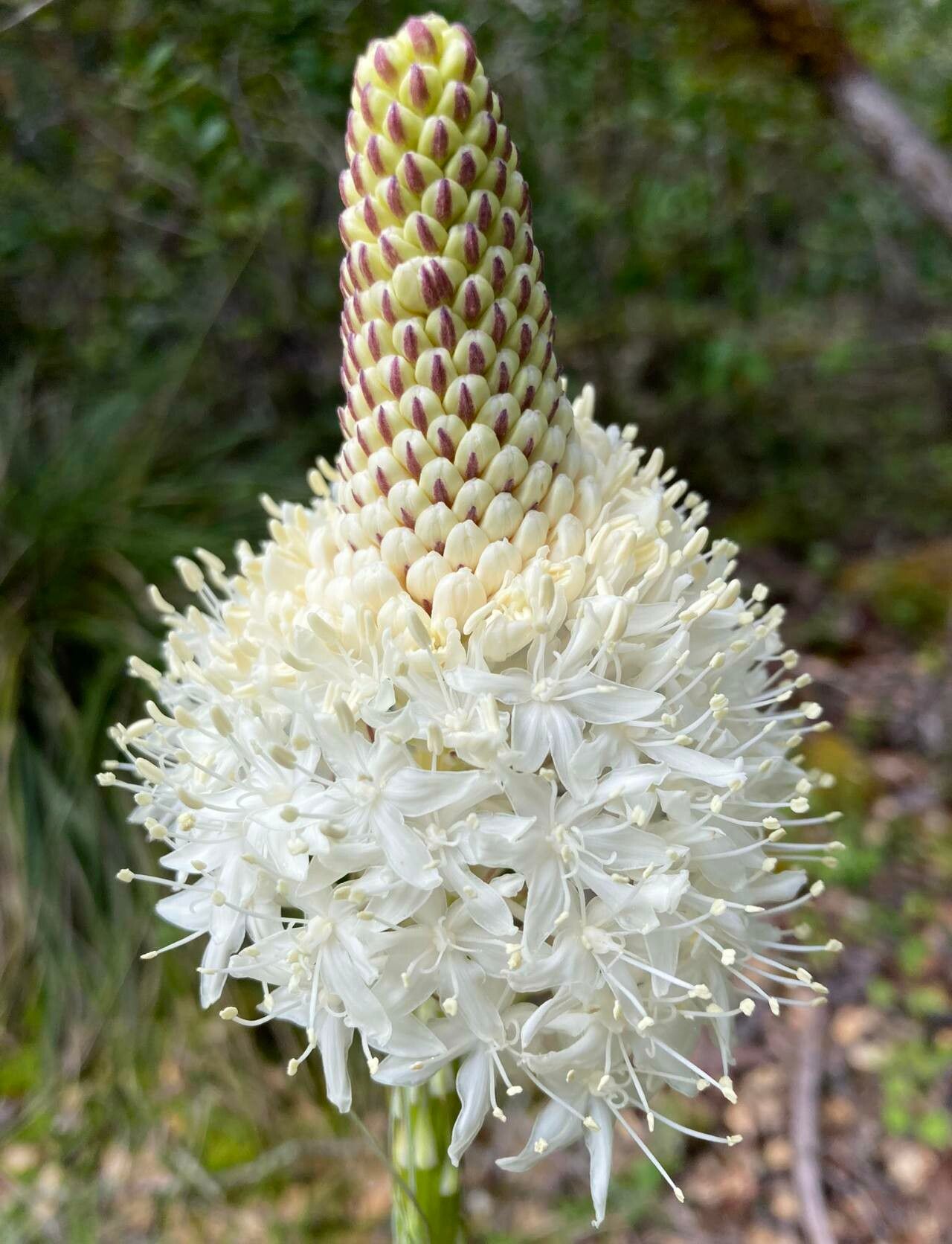
Sharing the Beauty: Let’s Grow More Beargrass!
Oh, I just love it when a reader asks about propagating Xerophyllum tenax – beargrass! Its architectural form and that gorgeous, almost architectural bloom stalk just make my heart sing. And the best part? Growing more of this stunner is absolutely doable. Now, is it a beginner-level project? I’d say it’s more of a rewarding challenge for those of you who have a little gardening experience under your belt. But with a little patience and a few pointers from yours truly, you’ll be well on your way.
When is our Little Beargrass Raring to Go?
For Xerophyllum, your best bet is to propagate from division when the plant is actively growing, but not stressed. That typically means late spring or early summer, after the initial rush of spring growth has settled in, but before the heat of midsummer really kicks in. You’ll want to see that new foliage emerging, a sure sign it’s got some energy to spare for making new babies.
Gathering Your Arsenal: What You’ll Need
Think of this as your propagation toolkit. Having everything ready makes the whole process smoother.
- Sharp, Clean Pruning Shears or a Knife: For making those precise cuts. Sterilize them with rubbing alcohol to prevent disease.
- Well-Draining Potting Mix: A mix specifically for succulents or cacti is often a good start, or you can create your own by combining equal parts potting soil, perlite, and coarse sand.
- Pots with Drainage Holes: Essential for preventing soggy roots. Small terracotta pots are my favorites.
- Watering Can with a Fine Rose: For gentle watering.
- Labeling Stakes: Don’t forget to label what you’ve potted and when!
- Rooting Hormone (Optional but Recommended): A powdered rooting hormone can give your cuttings a helpful boost.
Spreading the Beargrass Love: The Division Method
Now, Xerophyllum tenax isn’t typically propagated by stem cuttings or water propagation like some other plants. Its natural inclination is to form clumps that can be divided. This is your primary method!
- Gently Excavate: Carefully dig around the base of your mature beargrass plant. You want to detach it from the main root ball without causing too much damage. Leave a good portion of the roots intact on each division.
- Inspect and Divide: Once you’ve lifted the plant, look for natural breaks in the root system where new growth points are forming. Use your sharp pruning shears or a clean knife to carefully separate these divisions. Aim for sections that have at least a few healthy leaves and a good chunk of roots. If you have a particularly large clump, you might be able to get several new plants from it.
- Potting Up: Fill your prepared pots with your well-draining potting mix. Make a small hole in the center of each pot.
- Planting the New Babies: Place a division into the hole, ensuring the roots are spread out. The crown of the plant (where the leaves emerge from the roots) should be just at the soil surface, or very slightly above. You don’t want to bury it too deep.
- Water Lightly: Give your newly potted divisions a gentle watering. You want the soil to be moist but not waterlogged.
My Little Gardener’s Secrets (The “Secret Sauce”)
Here are a couple of things I’ve learned over the years that can really make a difference:
- The “Dry Period” After Division: After you pot up your divisions, resist the urge to water them heavily for the first week or so. Let them sit in their new pots, allowing any minor cuts on the roots to callus over. This reduces the risk of rot significantly. A light misting if the leaves look very wilted is okay, but avoid saturating the soil.
- Don’t Be Afraid of a Little Shade: While beargrass loves sun, brand new divisions can be a bit sensitive to intense, direct sunlight. For the first couple of weeks, place your potted divisions in a spot that receives bright, indirect light. Once they start showing signs of new growth, you can gradually introduce them to more sun.
TLC for Your New Sprouts and What to Watch For
Once your beargrass divisions are settled, keep them consistently moist but never soggy. Water when the top inch of soil feels dry to the touch. Keep an eye out for new leaf growth – that’s your signal that roots are forming and your new plant is happy!
Troubleshooting time. The biggest enemy of a new division is rot. If you see leaves turning mushy and yellow, or the base of the plant appears slimy, it’s likely due to too much moisture. Your best course of action is to gently unpot the plant, trim away any rotted tissue with your sterile shears, and replant in fresh, dry potting mix. You might have to try again next season, and that’s okay! It’s all part of the learning process.
Happy Growing!
Watching a small division grow into a beautiful, established beargrass plant is incredibly satisfying. Be patient with your new arrivals. Gardening is always a journey, and the joy is in the process as much as the beautiful blooms. Happy propagating!
Resource:
https://identify.plantnet.org/k-world-flora/species/Xerophyllum%20tenax%20(Pursh)%20Nutt./data