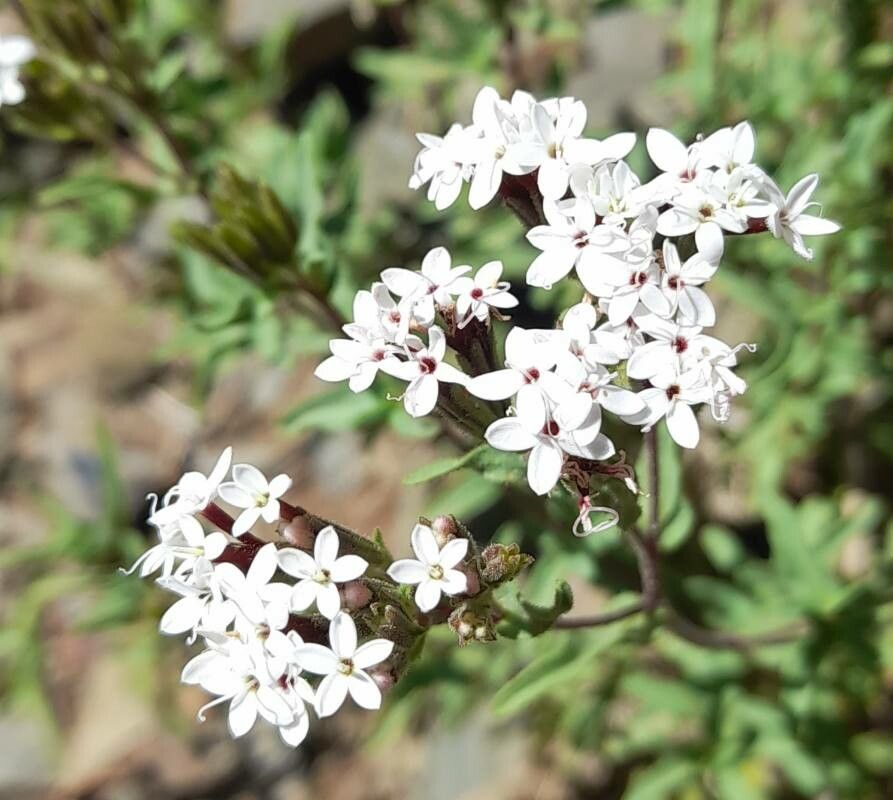
Hello fellow garden enthusiasts! It’s so lovely to have you here. Today, we’re diving into the sweet world of Stevia minor, that wonderful plant that offers a natural sugar alternative right from your own garden. Anyone who loves a touch of sweetness without the refined stuff will appreciate growing their own Stevia. Plus, the joy of watching a tiny cutting transform into a flourishing plant? It’s truly one of gardening’s greatest rewards. And the good news? Propagating Stevia is quite forgiving, even for those just starting out on their green-thumb journey!
The Best Time to Start
When it comes to coaxing new Stevia plants into existence, spring and early summer are your best friends. This is when the plant is actively growing, full of vigor, and has plenty of energy to channel into developing roots. Aim for when your plant is producing plenty of healthy, non-flowering shoots. Starting too late in the season can mean your new propagations won’t have enough time to establish strong root systems before cooler weather arrives.
Supplies You’ll Need
Gathering your supplies beforehand makes the whole process much smoother. Here’s what I usually have on hand:
- Sharp pruning shears or a clean knife: For making clean cuts. Dull tools can crush stems and hinder rooting.
- Potting mix: A light, well-draining mix is crucial. I love a blend of peat moss, perlite, and a bit of compost. You can also buy a good quality seed-starting mix.
- Small pots or seedling trays: Whatever you have available that’s clean and has drainage holes.
- Clear plastic bags or a humidity dome: To create a mini-greenhouse effect.
- Rooting hormone (optional but helpful): A powder or gel that can give cuttings a significant boost.
- Watering can with a fine rose: For gentle watering.
- Labels: To keep track of your babies!
Propagation Methods
My go-to method for Stevia is stem cuttings, and it’s wonderfully easy to master.
- Take Your Cuttings: With your sharp shears, snip 4-6 inch long sections from the tip of healthy, actively growing stems. Look for stems that are green and pliable, not woody. Make your cut just below a leaf node (where a leaf attaches to the stem).
- Prepare the Cuttings: Gently remove the leaves from the bottom half of each cutting. This prevents them from rotting once they’re in the soil or water. If your cuttings have any flower buds, pinch those off too; the plant should focus on roots, not flowers.
- Apply Rooting Hormone (Optional): If you’re using rooting hormone, dip the cut end of each stem into the powder or gel. Tap off any excess.
- Potting Up: Fill your small pots or trays with your prepared potting mix. Make a small hole in the center of each with your finger or a pencil.
- Plant the Cuttings: Insert the prepared cuttings into the holes, ensuring the leaf nodes you bared are nestled in the soil. Gently firm the soil around the stem. You can usually fit 2-3 cuttings per small pot, or space them out in a tray.
- Water Gently: Water the soil thoroughly but gently. You want it moist but not waterlogged.
The “Secret Sauce” (Pro Tips)
After years of nudging plants along, I’ve picked up a few tricks that make a real difference.
- Bottom Heat is Your Friend: Stevia roots much faster with a little warmth from below. Placing your pots on a heated propagation mat can significantly speed up rooting time. If you don’t have one, a sunny windowsill that feels warm to the touch might suffice, but a mat is a game-changer.
- Don’t Drown Your Leaves: When you’re watering or misting, be sure no leaves are submerged in the water. If they are, they’ll quickly turn mushy and start to rot, which can spread to the stem and kill your cutting before it even has a chance to root.
- Mist Regularly, But Not Excessively: Those cuttings need humidity to plump up and encourage root development. Lightly misting the leaves once or twice a day can be very beneficial, especially if you’re not using a sealed humidity dome. However, avoid making the soil soggy from misting.
Aftercare & Troubleshooting
Once your cuttings are in their new soil, it’s time to create a nurturing environment. Mist the leaves and keep the soil consistently moist. Cover the pots with a clear plastic bag or a humidity dome to retain moisture. Place them in a warm spot with bright, indirect light. Avoid direct, harsh sunlight, which can scorch the tender new growth.
You’ll know your cuttings are rooting when you see new leaf growth emerge. This usually takes anywhere from 2 to 6 weeks, depending on conditions. Gently tug on a cutting; if you feel resistance, that’s a good sign roots are forming.
The most common pitfall is rot. If you notice stems turning black and mushy, or mold developing on the soil surface, it’s usually a sign of too much moisture and poor air circulation. Try improving drainage, using less water, and ensuring there’s some airflow. If a cutting succumbs, discard it to prevent any spread.
A Green-Thumb Farewell
Propagation is about patience and observation, my friends. Don’t be discouraged if not every cutting takes. Think of it as a learning experience. With a little care and these tips, you’ll be rewarded with a sweet harvest from your own home-grown Stevia plants. Enjoy the process, and happy gardening!
Resource:
https://identify.plantnet.org/k-world-flora/species/Stevia%20minor%20Griseb./data