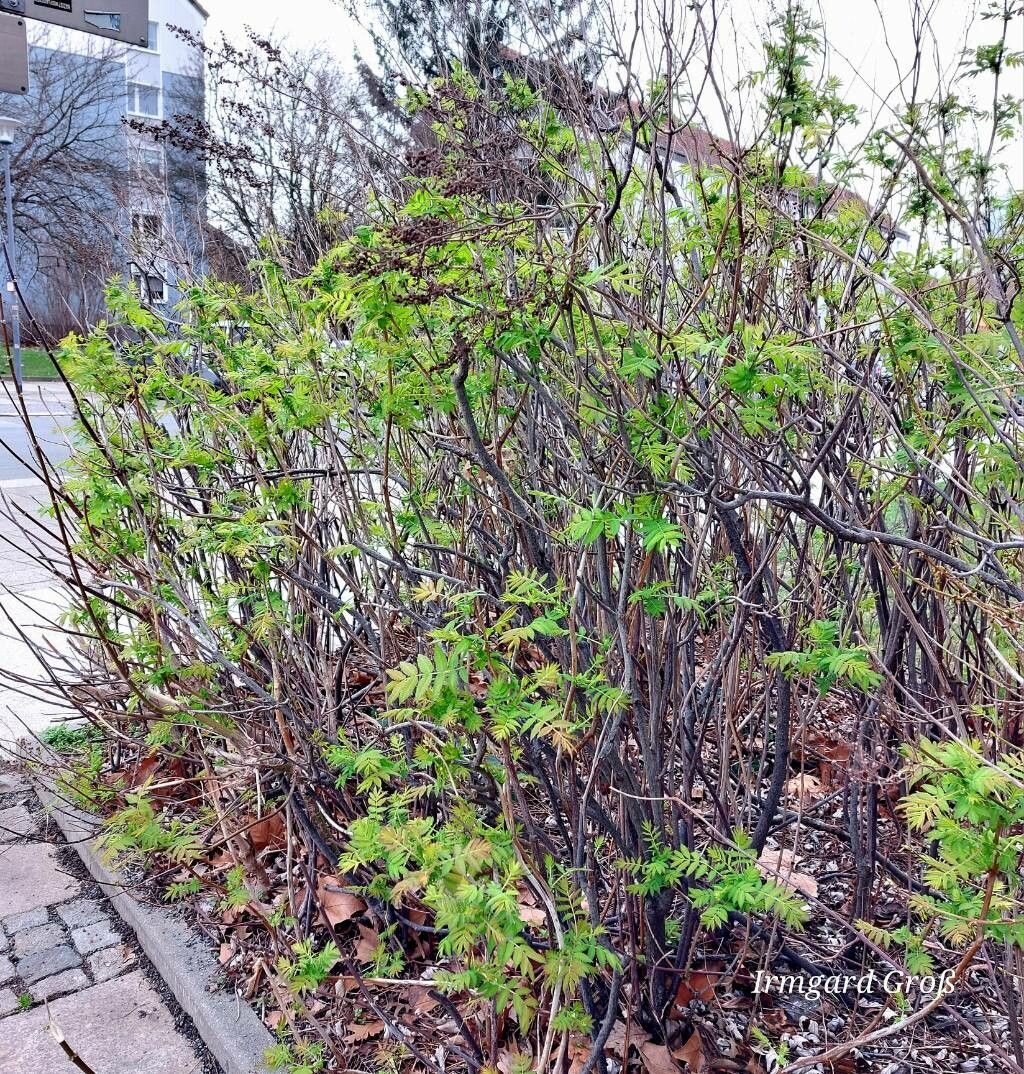
Hello there! I’m so glad you’re interested in coaxing more of these lovely False Spirea plants into your garden. Sorbaria sorbifolia, with its feathery, fern-like foliage and creamy white flower plumes, is just a delight. It adds such a graceful texture, and once established, it’s a tough cookie that thrives in many conditions. Plus, propagating it yourself is incredibly satisfying. You get to share these beauties with friends, expand your own green spaces, or simply enjoy the process of bringing new life into the world. And the best part? This plant is quite forgiving, making it a wonderful project for even the most novice gardener.
The Best Time to Start
My favorite time to propagate Sorbaria sorbifolia is in the late spring or early summer, just as the plant is in full swing with its new growth. This gives the cuttings plenty of time and energy to root before the heat of summer or the chill of autumn. You can also split the root ball in early spring before new growth really kicks off – it’s a bit like giving the plant a refreshing haircut and a chance to expand.
Supplies You’ll Need
Here’s what I like to have on hand before I begin:
- Sharp pruning shears or a clean knife: For making clean cuts.
- Rooting hormone (optional but helpful): Encourages faster root development.
- Well-draining potting mix: A blend of peat moss, perlite, and compost is ideal. You can also use a seed-starting mix.
- Small pots or trays: With drainage holes, of course!
- Clear plastic bags or a propagator: To maintain humidity.
- Watering can or spray bottle: For gentle watering.
- Labels: Because trust me, you’ll forget what you planted where!
Propagation Methods
Sorbaria sorbifolia is a generous plant when it comes to creating new ones. Here are a couple of my go-to methods:
1. Stem Cuttings (My Top Choice for Beginners!)
This is where the magic really happens.
- Snap or cut a healthy, non-flowering stem about 4-6 inches long. Look for stems that are semi-hardwood – they’ve lost their initial softness but aren’t completely woody.
- Remove the lower leaves, leaving just a few at the top. This prevents them from rotting once planted.
- Dip the cut end into rooting hormone. Tap off any excess.
- Gently insert the cutting into your prepared pot mixture. Make sure at least one leaf node (where a leaf was attached) is buried in the soil.
- Water gently to settle the soil around the cutting.
- Cover the pot with a clear plastic bag or place it in a propagator. This creates a humid environment, which is crucial for cuttings to root. Open the bag for a few minutes each day to allow for air circulation and prevent mold.
- Place the pots in a bright spot, but out of direct, harsh sunlight.
2. Division in Early Spring
This method is fantastic for a mature plant that’s getting a bit too big for its boots.
- Dig up the entire plant in early spring, just as you see signs of new growth emerging.
- Gently shake off excess soil to expose the root ball.
- Look for natural divisions. You can often see where the plant has started to spread into separate sections.
- Use your hands or a clean trowel/knife to carefully separate the root ball into smaller clumps, ensuring each new piece has a good amount of roots and at least one visible bud or stem.
- Replant the divisions immediately in their new spots in the garden or in pots with fresh potting mix. Water them in well.
The “Secret Sauce” (Pro Tips)
Here are a few little tricks I’ve picked up over the years that make a big difference:
- Don’t overcrowd your cuttings. Give each one enough space in its pot. If they’re too close together, they’re more prone to fungal issues and can compete for resources.
- Consider bottom heat. For stem cuttings, placing your pots on a seedling heat mat can significantly speed up root formation by providing consistent warmth to the roots. It’s like a little cozy incubator for your plant babies!
- Mist, mist, mist! While a plastic bag helps, I find that regularly misting the leaves of my cuttings (especially in the first few weeks) keeps them plump and encourages them to stay hydrated while they’re working on their roots.
Aftercare & Troubleshooting
Once your cuttings have developed a good root system – you’ll often see roots poking out of the drainage holes or feel resistance when you gently tug on the stem – it’s time to give them a bit more freedom.
- Gradually acclimate your new plants to normal humidity by removing the plastic bag for longer periods over a week or two.
- Water them consistently, keeping the soil moist but not waterlogged.
- You can transplant them into slightly larger pots or directly into their garden spots when they look strong and healthy.
The most common issue you might run into is rot. This usually happens when the cuttings are kept too wet or lack adequate air circulation. If you see your cuttings turning black and mushy, unfortunately, it’s best to discard them and start fresh, paying close attention to your watering and ventilation. Sometimes, a cutting just won’t take, and that’s okay! Gardening is as much about patience and learning as it is about success.
A Little Bit of Patience Goes a Long Way
Don’t be discouraged if your first few attempts aren’t perfect. The joy of gardening is in the journey, and with Sorbaria sorbifolia, the journey is usually a smooth and rewarding one. Keep experimenting, keep observing, and enjoy the magic of watching these beautiful plants multiply. Happy propagating!
Resource:
https://identify.plantnet.org/k-world-flora/species/Sorbaria%20sorbifolia%20(L.)%20A.Braun/data