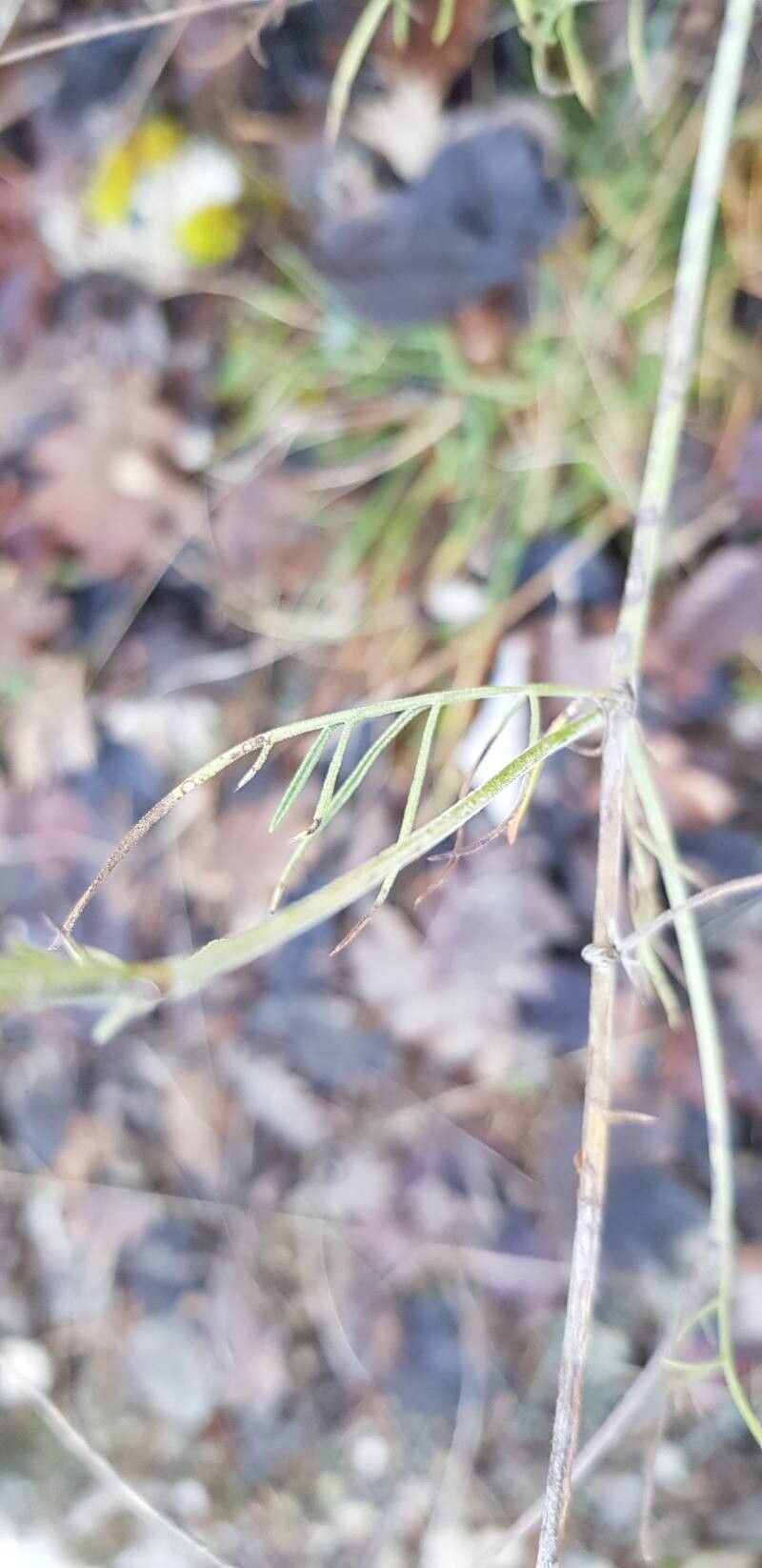
Hello there, green-thumb hopefuls! I’m so delighted to share a little secret from my garden with you today. We’re going to talk about Scabiosa triandra, also known as the pincushion flower or the humble scabious. If you’ve ever admired those delicate, airy blooms that seem to float in the garden, attracting all sorts of delightful pollinators, then you’re already on your way to falling in love. Propagating these beauties is a truly satisfying endeavor, and I’m here to tell you how you can do it too. Don’t worry, for those of you just dipping your toes into the world of plant propagation, scabiosa is a wonderfully welcoming challenge.
The Best Time to Start
For the highest success rate with Scabiosa triandra, I always recommend reaching for your clippers in late spring or early summer. This is when the plant is actively growing, producing plenty of healthy, vigorous shoots that are perfect for taking cuttings. It’s also a good time to consider dividing established clumps if you have them. Waiting until after the first flush of blooming is often ideal, as the plant has accumulated good energy reserves.
Supplies You’ll Need
Before we get our hands dirty, let’s gather our tools. Think of this as your propagation toolkit, ready for action:
- Sharp Pruning Shears or a Clean Knife: For making precise, clean cuts.
- Potting Mix: A well-draining mix is crucial. I like to use a blend of equal parts peat moss or coco coir and perlite. A seed-starting mix works beautifully too.
- Small Pots or Trays: Clean containers are a must to prevent disease.
- Rooting Hormone (Optional but Recommended): This little helper can significantly boost your success rate, especially for cuttings.
- Watering Can with a Fine Rose or Spray Bottle: For gentle watering.
- Plastic Bags or a Propagator: To create a humid environment.
- Labels: To keep track of your precious new plants!
Propagation Methods
Scabiosa triandra is quite adaptable. Here are my go-to methods for bringing more of these lovely plants into existence.
Stem Cuttings: My Favorite
This is often the most rewarding way to multiply your scabiosa collection.
- Select Your Cuttings: Look for healthy, non-flowering shoots that are about 4-6 inches long. You want a piece that’s semi-hardwood – not brand new and flimsy, but not woody and old either.
- Make the Cut: Using your sharp shears or knife, make a clean cut just below a leaf node. The leaf node is where a leaf joins the stem, and it’s where roots will most likely form.
- Prepare the Cutting: Gently remove the lower leaves, leaving just two or three sets at the top. If the stem has any flower buds, pinch them off. This directs the plant’s energy into root development, not flower production.
- Apply Rooting Hormone (if using): Dip the cut end of the stem into your rooting hormone. Tap off any excess.
- Plant Your Cuttings: Fill your small pots with your prepared potting mix. Make a small hole with your finger or a pencil, then insert the cutting. Firm the soil gently around the stem.
- Water Gently: Water thoroughly but gently. You don’t want to dislodge the cutting.
- Create Humidity: Place the pot inside a clear plastic bag or in a propagator. Seal it loosely to retain moisture.
Division: For Established Plants
If you have a mature scabiosa plant, you can often get multiples by dividing it.
- Dig Up the Plant: In early spring, carefully dig up your established scabiosa plant. Try to disturb the roots as little as possible.
- Inspect the Root Ball: Gently shake off some of the excess soil. You should be able to see distinct sections of the plant, each with its own set of roots and shoots.
- Separate the Divisions: Use your hands or a clean trowel to gently pull or cut the root ball apart into smaller sections. Aim for divisions that have at least a few shoots and a good clump of roots.
- Replant Immediately: Plant the divisions directly into their new homes, whether that’s back in the garden or in new pots with fresh soil. Water them well.
The “Secret Sauce” (Pro Tips)
Here are a few little tricks I’ve picked up over the years that really make a difference:
- Don’t Let Those Leaves Touch the Water (for water propagation): While I’ve focused on soil cuttings, if you ever try propagating other things in water, remember this rule! For scabiosa cuttings, we’re using soil, but it’s a good general principle. In soil, it means ensure the leaves aren’t buried or constantly sitting on wet soil, as this encourages rot.
- Bottom Heat is Your Friend: A heat mat placed under your propagation tray can work wonders, especially for encouraging those stubborn roots to form. It mimics the warmth of spring soil and gives your cuttings a real boost. You can find inexpensive ones specifically for this purpose.
- Be Patient with Cuttings: Sometimes, it can take several weeks for cuttings to show signs of rooting. Resist the urge to pull them out and check! The best indicator is new leaf growth. Once you see that, gently tug to feel for resistance – that’s your sign the roots are established.
Aftercare & Troubleshooting
Once your cuttings have rooted (hooray!), it’s time for a little TLC.
- Gradual Acclimation: Slowly introduce your new plants to drier air. Open the plastic bag a little more each day for a week before removing it completely.
- Watering: Water when the top inch of soil feels dry. Avoid overwatering, as this is a common culprit for rot.
- Light: Place your new plants in a bright location, but out of direct, scorching sun until they are well-established.
- Troubleshooting Rot: The most common issue is stem rot. If you see your cutting wilting, turning black and mushy at the base, it’s likely rot. Sadly, once this happens, it’s hard to save. Prevention is key: use well-draining soil, don’t overwater, and ensure good air circulation. If you’re using a plastic bag, airing it out daily can help.
A Little Patience Goes a Long Way
See? It’s not so daunting, is it? The magic of propagation is in watching a tiny seeming bit of stem transform into a whole new, thriving plant. Be patient with yourself and your new little scabiosa babies. Celebrate every tiny root, every new leaf. The process itself is as rewarding as the blooming flowers. Happy propagating, and enjoy the beauty you bring to life!
Resource:
https://identify.plantnet.org/k-world-flora/species/Scabiosa%20triandra%20L./data