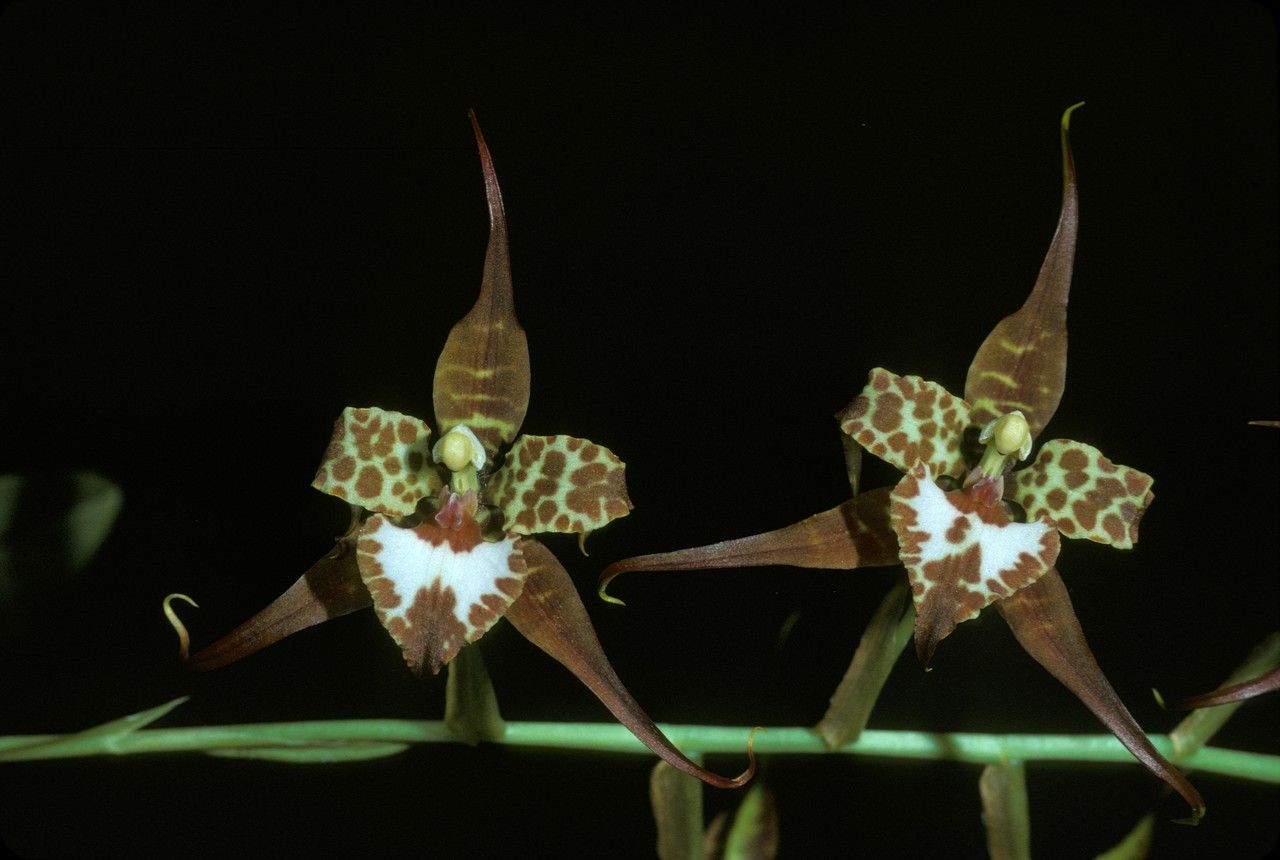
Oh, Rhynchostele cordata! What a gem of an orchid. If you’re looking for a plant that brings a lovely splash of color and a gentle, sweet fragrance to your home, this is it. Its heart-shaped leaves are just as charming as its delicate, often star-shaped flowers. And the best part? Sharing that beauty by propagating your own Rhynchostele cordata is incredibly rewarding. Now, being completely honest with you, it’s not the absolute easiest plant for a total beginner to propagate, but with a little patience and this guide, you’ll be well on your way to success.
The Best Time to Start
Timing is everything in the gardening world, and for Rhynchostele cordata, the sweet spot is usually after it has finished blooming and is entering its active growth phase. This typically happens in the spring or early summer. You want to work with a plant that’s buzzing with energy, not one that’s resting. This is when it has the stored reserves to push out new roots and leaves.
Supplies You’ll Need
Don’t worry, you won’t need a whole greenhouse’s worth of equipment! Here’s what will make your propagation journey smoother:
- Sharp, sterilized pruning shears or a clean knife/razor blade: Crucial for clean cuts that prevent disease.
- New, sterile orchid potting mix: I prefer a mix of bark, perlite, and maybe some charcoal for good drainage. Your orchid will thank you.
- Small pots or community trays: Enough to give your divisions or cuttings a little space.
- Rooting hormone (optional but helpful): A little boost can encourage faster root development.
- Spray bottle: For fine misting.
- Labels and a permanent marker: To keep track of what you’ve done.
- A shallow tray or saucer: For any excess water to drain into.
Propagation Methods
For Rhynchostele cordata, the most reliable method is division. This orchid grows from pseudobulbs, and when these cluster together, you can gently separate them.
Division Method:
- Gently remove the orchid from its pot. If it’s tightly bound, you might need to carefully cut away the old pot.
- Carefully clean off as much of the old potting medium as you can from the roots. You want to see what you’re working with.
- Inspect the pseudobulbs. Look for sections that have at least 2-3 healthy pseudobulbs and a good portion of attached roots.
- Using your sterilized shears or knife, make a clean cut to separate these sections. Ensure each division has healthy roots attached. You might need to gently tease apart the roots with your fingers.
- If you see any damaged or mushy roots, trim them away.
- Optional: You can dip the cut ends into a fungicide powder or rooting hormone at this stage, though it’s not always strictly necessary for Rhynchostele cordata.
- Pot each division into its own small pot with fresh orchid mix. Make sure the pseudobulbs are sitting at the surface of the mix, not buried too deeply.
- Water lightly to settle the mix around the roots.
The “Secret Sauce” (Pro Tips)
Here are a few things I’ve learned over the years that can really tip the scales in your favor:
- Don’t over-pot. It’s tempting to put a division into a big pot, but a pot that’s too large can hold too much moisture. Start with a pot that just comfortably fits the roots. This helps prevent rot.
- Patience with the pseudobulbs. New growths on Rhynchostele cordata often start as tiny green bumps. Don’t fuss too much when you first pot them. Give them time to adjust, and the new leaves and roots will emerge when they’re ready.
- Good air circulation is key. After dividing, place your new pots in a spot with good air movement. This is your best defense against fungal issues that can plague newly divided plants. Avoid stagnant, humid spots.
Aftercare & Troubleshooting
Once your divisions are potted, give them a period of slightly reduced light and avoid overwatering.
- Misting: Lightly mist the leaves and the surface of the potting mix every few days, especially if the air is dry. You don’t want to soak it.
- Watering: Water thoroughly only when the potting mix starts to feel dry to the touch. It’s better to underwater slightly than to overwater at this stage.
- Light: Place them in bright, indirect light. Avoid direct sun, which can scorch young leaves.
Common Signs of Failure:
- Wilting leaves: This can happen if the roots are damaged or if the plant isn’t getting enough moisture.
- Mushy pseudobulbs or rot: This is usually a sign of overwatering or poor drainage. If you spot this, you might need to unpot, trim away the rotted parts with a sterile blade, and repot in fresh, drier mix. It’s a tough situation, but sometimes salvage is possible.
- No new growth after several weeks: This is often just a sign the plant is settling in. Keep the conditions right and be patient.
A Little Encouragement
Propagating plants is like having a little bit of gardening magic in your hands. It takes practice, and not every attempt will be a runaway success, but that’s part of the journey. With Rhynchostele cordata, patience and careful observation will be your best friends. Enjoy the process, celebrate the tiny new shoots, and soon you’ll have more of these lovely orchids to admire and share! Happy growing!
Resource: