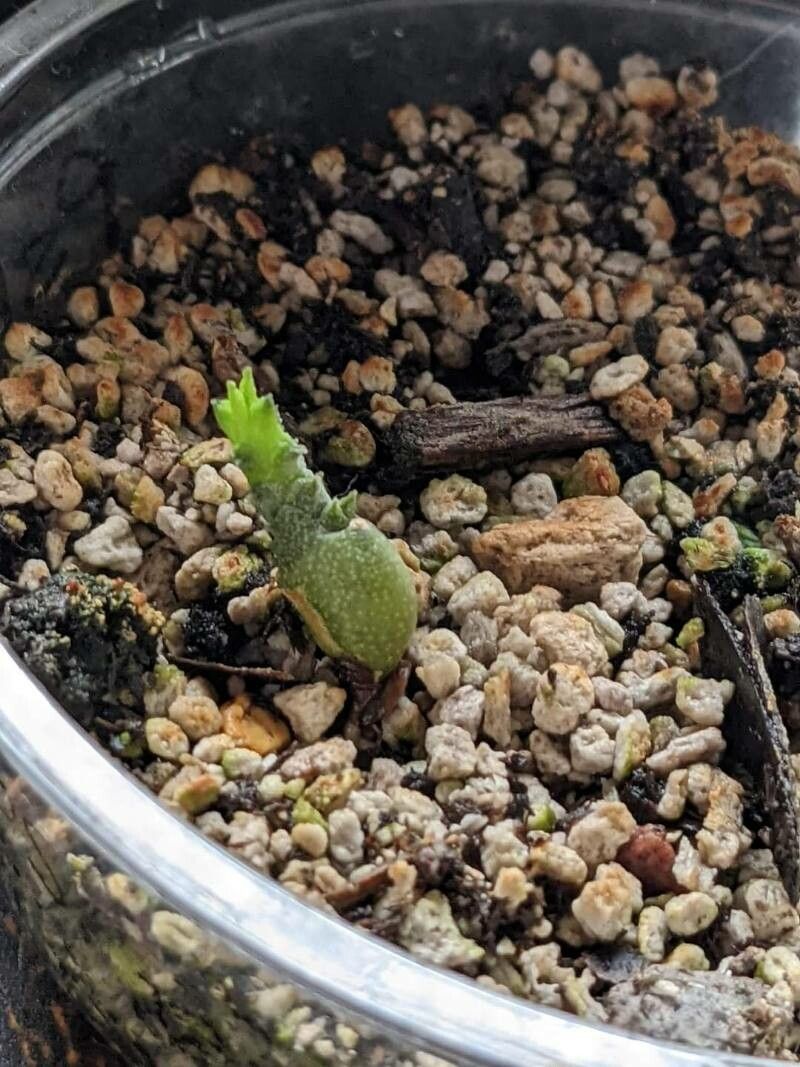
Hello, fellow plant lovers! Today, we’re diving deep into the wonderfully weird and captivating world of Pseudolithos horwoodii. If you’ve ever seen this fascinating succulent, you know it’s a real showstopper. Its unique, pebble-like appearance and the subtle fragrance it sometimes offers make it a prized possession for any collector. And the best part? You can often create more of these little gems yourself! Propagating your own Pseudolithos horwoodii is incredibly rewarding. Watching a tiny cutting or offset transform into a thriving new plant is a joy that never gets old. Now, I’ll be honest, Pseudolithos horwoodii can be a bit of a diva sometimes. It’s not the absolute easiest plant for a complete beginner, but with a little care and patience, you can absolutely succeed.
The Best Time to Start
For Pseudolithos horwoodii, the spring and early summer are your golden windows for propagation. This is when the plant is actively growing, meaning it has the energy reserves to heal from cuttings or produce new roots. You’ll see it plump up and start reaching for the sun, which is a great sign it’s ready for a little propagation action. Trying to propagate when it’s dormant in the fall or winter is just asking for disappointment.
Supplies You’ll Need
Before we get our hands dirty, let’s gather our tools. You don’t need much, but having the right things makes a big difference:
- Sharp, clean pruning shears or a sharp knife: For making clean cuts.
- Well-draining potting mix: A cactus and succulent mix is a good start, but I like to add extra perlite or pumice for even better aeration. Think gritty!
- Rooting hormone (optional but recommended): This can give your cuttings a helpful boost.
- Small pots or trays: For your new babies. Make sure they have drainage holes.
- Gloves (optional): If you have sensitive skin or just prefer to keep your hands clean.
- A small trowel or spoon: For scooping soil.
Propagation Methods
Let’s talk about how we can coax new life from your Pseudolithos horwoodii. The most reliable methods I’ve found are stem cuttings and offsetting.
Stem Cuttings:
This is pretty straightforward, but it requires a bit of gentle handling.
- Locate a healthy stem: Look for a mature, firm stem on your plant. Avoid any that look soft or
compromised. - Make a clean cut: Using your sharp shears or knife, cut a piece of stem that’s at least 2-3 inches long. Aim for a part of the stem that has a few nodes (where leaves would emerge).
- Allow the cutting to callous: This is CRUCIAL. Place the cutting in a dry, airy spot away from direct sunlight for 3-5 days. You want the cut end to form a dry, scab-like layer. This prevents rot when it goes into the soil.
- Apply rooting hormone (if using): Once calloused, dip the cut end into your rooting hormone powder, tapping off any excess.
- Plant it up: Fill a small pot with your gritty succulent mix. Make a small hole with your finger or trowel and gently insert the calloused end of the cutting into the soil. You want at least one node buried.
- Water sparingly: Give it a very light watering. You want the soil to be barely moist, not wet.
Offsets (Pups):
Sometimes, Pseudolithos horwoodii will naturally produce little baby plants (offsets) at its base. This is the easiest propagation method!
- Gently remove the offset: Carefully loosen the soil around the base of the mother plant. With a gentle tug or a little help from a clean knife, separate a healthy offset that has at least one small root already attached, if possible.
- Let it callous (briefly): Even with offsets, it’s a good idea to let the separation point dry out for a day or two. This helps prevent any infection.
- Plant it: Plant the offset in its own small pot filled with your well-draining mix, burying the base slightly.
- Water lightly: Water just as you would a stem cutting – sparingly.
The “Secret Sauce” (Pro Tips)
Here are a few things I’ve learned over the years that can really improve your odds:
- Don’t be tempted to water too much. This is the number one killer of succulent cuttings. They’re storing water in their leaves and stems, so they don’t need much encouragement from the soil. Think “barely moist” when you water, and only do it when the soil is completely dry.
- Bottom heat is your friend. If you have a seedling heat mat, placing your pots on it (especially for stem cuttings) can work wonders. It encourages root development without drying out the top layers of the soil too quickly.
- Consider the humidity, but not too much. While you want to avoid rot, a little bit of humidity can help if you’re struggling to get cuttings to root. I sometimes place a clear plastic bag loosely over the pot, but make sure to open it for a few hours each day to allow for air circulation.
Aftercare & Troubleshooting
Once you see signs of life – a little new growth appearing, or the stem feeling a bit firmer and resisting a gentle tug – you know roots are forming!
- Gradually increase watering: Once you’re confident roots have formed, you can start watering a bit more thoroughly, but still allow the soil to dry out between waterings.
- Move to brighter light: Slowly introduce your new plant to brighter indirect light. Avoid harsh, direct sun initially.
- Watch out for rot: The biggest issue you’ll encounter is rot. If your cutting becomes mushy, discolored (often black or brown and soft), or falls over, it’s likely rotted. Unfortunately, if rot sets in, it’s very difficult to save. Prevention through proper watering and callousing is key.
- Pests: Keep an eye out for common succulent pests like mealybugs. A quick wipe with rubbing alcohol on a cotton swab usually does the trick.
A Nurturing Close
Propagating Pseudolithos horwoodii is a journey. There might be a cutting or two that doesn’t make it, and that’s perfectly okay. Every gardener has those moments! The key is to learn from each experience, adjust your approach, and most importantly, enjoy the process. Be patient, celebrate the small victories, and soon you’ll have a little collection of these fascinating plants to share with your friends (or just keep all to yourself – I won’t tell!). Happy propagating!
Resource: