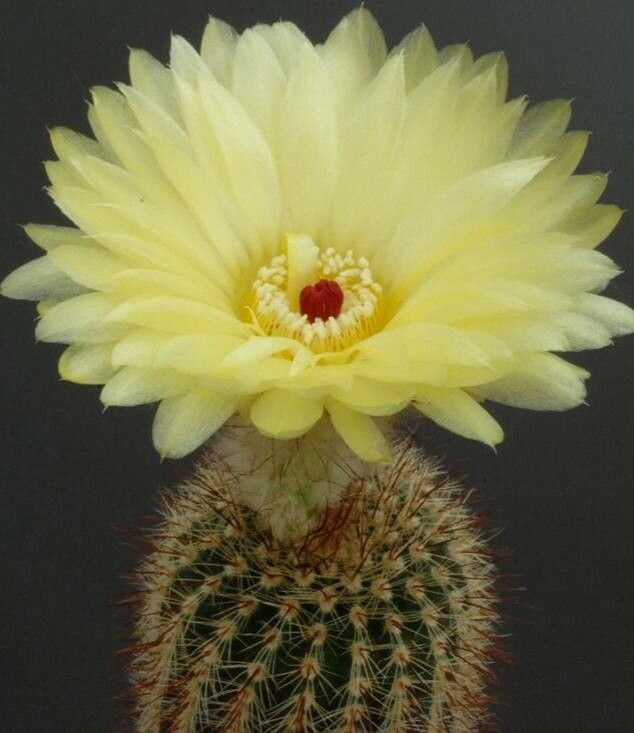
Hey there, fellow plant lovers! It’s so lovely to have you join me today. I’m excited to dive into the charming world of Parodia tenuicylindrica, a cactus that truly steals the show with its elegant, slender columns. If you’ve ever admired these beauties in my garden or nursery, you’ll know they have a way of adding a touch of understated sophistication.
I find propagating Parodia tenuicylindrica incredibly rewarding. It’s a wonderful way to expand your collection or share these lovely plants with friends. Now, if you’re a complete beginner, I’ll be honest – working with cacti can be a tiny bit more delicate than, say, a leafy pothos. But don’t let that deter you! With a little patience and the right approach, you’ll be well on your way.
The Best Time to Start
For Parodia tenuicylindrica, the sweet spot for propagation is definitely during its active growing season. This means late spring through summer is your golden window. You’re looking for plants that are healthy, vigorous, and have produced offsets – those little baby cacti that often start appearing at the base. Starting when the plant is actively growing gives it the best chance to establish before any cooler, dormant periods arrive.
Supplies You’ll Need
Gathering your supplies beforehand makes the whole process so much smoother. Here’s what I always have on hand:
- Well-draining cactus and succulent potting mix: This is non-negotiable! I usually mix about 50% perlite or pumice with my standard potting soil.
- Sharp, sterilized pruning shears or a clean, sharp knife: For making clean cuts. Sterilizing with rubbing alcohol is key to preventing disease.
- Rooting hormone powder (optional but helpful): While not strictly necessary for all cacti, it can give your cuttings a little boost.
- Small pots or seed trays: With drainage holes, of course!
- Gloves: Cactus spines can be sneaky and persistent!
- A small trowel or dibber: For making planting holes.
- Newspaper or thick cardboard: For handling spiny cacti safely.
Propagation Methods
For Parodia tenuicylindrica, the most straightforward and successful method is offset division. These cacti are known for producing offsets, making it a natural way to propagate.
- Assess your plant: Gently examine your mature Parodia tenuicylindrica. Look for any smaller plantlets that have emerged from the base of the main stem.
- Prepare for division: Put on your gloves and have your newspaper or cardboard ready. Carefully slide the mother plant out of its pot.
- Gently separate the offsets: This is where it gets a little hands-on. You’ll want to carefully tease the offset away from the mother plant. If the offset has its own roots, all the better! If not, don’t worry; it will grow them. You can use your sterilized knife or pruning shears to make a clean cut if needed, ensuring you have a bit of the stem and ideally some tiny root nubs.
- Allow to callous: This is a crucial step for cacti! Once you’ve separated the offset, let it sit out in a dry, well-ventilated spot for several days to a week. You want to see the cut end callous over, forming a dry, scar-like surface. This prevents rot when you plant it.
- Potting up: Once calloused, you can pot your offset. Fill your small pot with your well-draining cactus mix. Make a small hole in the soil with your trowel or finger. Gently dust the calloused end with rooting hormone powder if you’re using it.
- Planting: Carefully place the offset into the hole, ensuring the calloused end is in contact with the soil. Do not water immediately. The goal is to let the roots begin to form in dry conditions.
The “Secret Sauce” (Pro Tips)
Here are a couple of things I’ve learned over the years that really make a difference:
- You know how some plants don’t like their leaves touching the water when propagating in water? For cacti, it’s the opposite, but in a dry way. Avoid overwatering at all costs. When you do water after potting, be very judicious. Think a light drink, not a flood.
- Bottom heat can be a game-changer. For those offsets that might be a bit stubborn to root, placing their pots on a gentle heat mat designed for seedlings can really encourage root development. Just a soft warmth, nothing intense!
Aftercare & Troubleshooting
Once your offset is planted and has sat dry for a week or two, you can begin to water very sparingly. Water only when the soil is completely dry. Check for signs of rooting by giving the offset a very gentle tug. If you feel resistance, roots are forming! You’ll start to see new growth on top too – that’s your biggest indicator of success!
The most common issue you’ll encounter is rot. If the offset starts to look mushy, discolored (often dark and soft), or smells unpleasant, it’s likely rotting. This is usually due to too much moisture. If you catch it early, you might be able to cut away the rotten parts and let the healthy portion callous and try again, but sadly, it’s often a sign that the cutting won’t make it.
A Encouraging Closing
Propagating plants is a journey, and sometimes there are a few bumps along the way. But don’t get discouraged! With Parodia tenuicylindrica, patience truly is a virtue. Celebrate the small victories – the first peek of new growth, the subtle resistance when you gently tug. Enjoy the process of nurturing these little desert gems, and before you know it, you’ll have a whole patch of these elegant cacti. Happy gardening!
Resource: