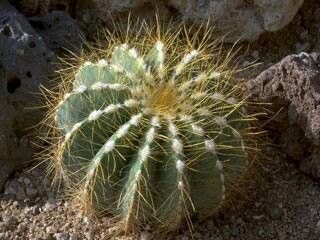
Hey there, fellow plant lovers! If you’ve ever admired those stunning, fuzzy globes of Parodia magnifica, you know exactly why they capture our hearts. They’re just so darn architectural and have this wonderful, almost ethereal woolliness that makes you want to reach out and touch them. And the best part? You can bring more of that beauty into your life by propagating them yourself! It’s a truly rewarding experience, watching a tiny offset grow into its own magnificent specimen. For those of you just dipping your toes into the wonderful world of cactus propagation, I’d say Parodia magnifica is a moderately easy plant to work with. You’ve got this!
The Best Time to Start
Honestly, spring is your golden ticket for propagating Parodia magnifica. This is when the plant is really waking up from its winter rest and itching to grow. You’ll see the most vigorous new growth, which means our little cuttings or offsets will have the best chance of rooting quickly and happily. Aim for after the last frost, when things are warming up.
Supplies You’ll Need
You don’t need a whole fancy toolkit for this. Here’s what I usually have on hand:
- Well-draining cactus/succulent soil mix: This is non-negotiable! You can buy a pre-made blend or mix your own with potting soil, perlite, and coarse sand.
- Sharp, clean knife or pruning shears: Sanitation is key to prevent disease.
- Rooting hormone powder or gel (optional but helpful): Especially useful if you’re new to this.
- Small pots or trays: Terra cotta is great because it breathes.
- A watering can with a fine rose or a spray bottle: Gentle is the name of the game.
- Gravel or perlite (optional): For added drainage at the bottom of pots.
- Labels and a marker: So you don’t forget what’s what!
Propagation Methods
Parodia magnifica is a bit unique in that it doesn’t readily produce offsets (pups) like some other cacti. The most reliable method we’ll focus on is stem cuttings, but we’ll touch on division if you’re lucky enough to have a multi-headed specimen.
Method 1: Stem Cuttings (The Most Common Way)
- Find a healthy stem: Look for a mature, robust part of your Parodia magnifica. It should look firm and healthy, not stretched or mushy.
- Make the cut: Using your sterilized knife or shears, make a clean cut. Try to take a piece that’s at least a couple of inches long. The cleaner the cut, the better it will heal.
- Let it callus: This is super important! Place your cutting in a dry, well-ventilated spot away from direct sunlight for at least 3-7 days. This allows the cut end to form a protective callus, which prevents rot. It will look like a dry, scabbed-over surface.
- Prepare the pot: Fill your small pot with your well-draining cactus mix. You can add a thin layer of gravel or perlite at the bottom for extra insurance against soggy roots, though good soil is the main thing.
- Plant the cutting: You can dip the callused end in rooting hormone powder or gel if you choose. Then, gently insert the cut end into the soil. It doesn’t need to be super deep, just enough to stand up on its own. If it’s wobbly, you can use a small stake to support it.
- Wait for roots: Now comes the hardest part – patience! Do not water immediately. Wait another few days, then give it a very light watering. You’re looking for signs of new growth, which indicates roots have formed.
Method 2: Division (If Your Plant Has Multiple Heads)
If your Parodia magnifica has naturally divided and formed multiple separate bodies, you can carefully separate them.
- Gently unpot: Carefully remove the entire plant from its pot.
- Locate natural divisions: Look for points where the separate bodies can be gently pulled apart.
- Separate carefully: Use a clean knife to cut through any connecting tissue if necessary. You want to try and get each division with its own root system, if possible.
- Callus and plant: Treat each separated division exactly like a stem cutting: let the cut ends callus for several days, then plant them in their own pots with cactus mix.
The “Secret Sauce” (Pro Tips)
- Bottom heat is your friend: If you’re propagating in a cooler spot or during a slightly less warm time, placing your pots on a heat mat designed for seedlings can significantly speed up root formation. It mimics that lovely warmth the soil gets in its natural habitat.
- Don’t overwater, ever! This is the biggest killer of cactus propagations. When in doubt, wait another day or two to water. A slightly dry cutting is much more likely to survive than a waterlogged one. I usually only water when the soil is completely dry and I see a hint of new growth.
- Air circulation matters: Make sure the area where your cuttings are callusing and rooting has good airflow. This helps wick away moisture and prevents fungal issues. I often leave the pots uncovered, as long as they’re not in direct, harsh sun.
Aftercare & Troubleshooting
Once you see new growth, your Parodia magnifica has successfully rooted! This is usually a sign of a tiny new head emerging or the stem starting to look plumper. Now you can start watering a little more regularly, but always allow the soil to dry out completely between waterings. Continue to keep it in bright, indirect light.
The most common issue you’ll face is rot. If your cutting starts to look mushy, discolored (black or brown), or just wilts dramatically even after watering, it’s likely rot. Unfortunately, at this point, it’s usually too late to save. Preventative measures (proper callusing, well-draining soil, and careful watering) are your best defense.
A Little Patience Goes a Long Way
Propagating Parodia magnifica is a journey, not a race. Enjoy the process of nurturing these little green babies. Be patient, observe them closely, and celebrate every bit of progress. Soon enough, you’ll have a whole windowsill full of these incredible fuzzy stars! Happy gardening!
Resource: