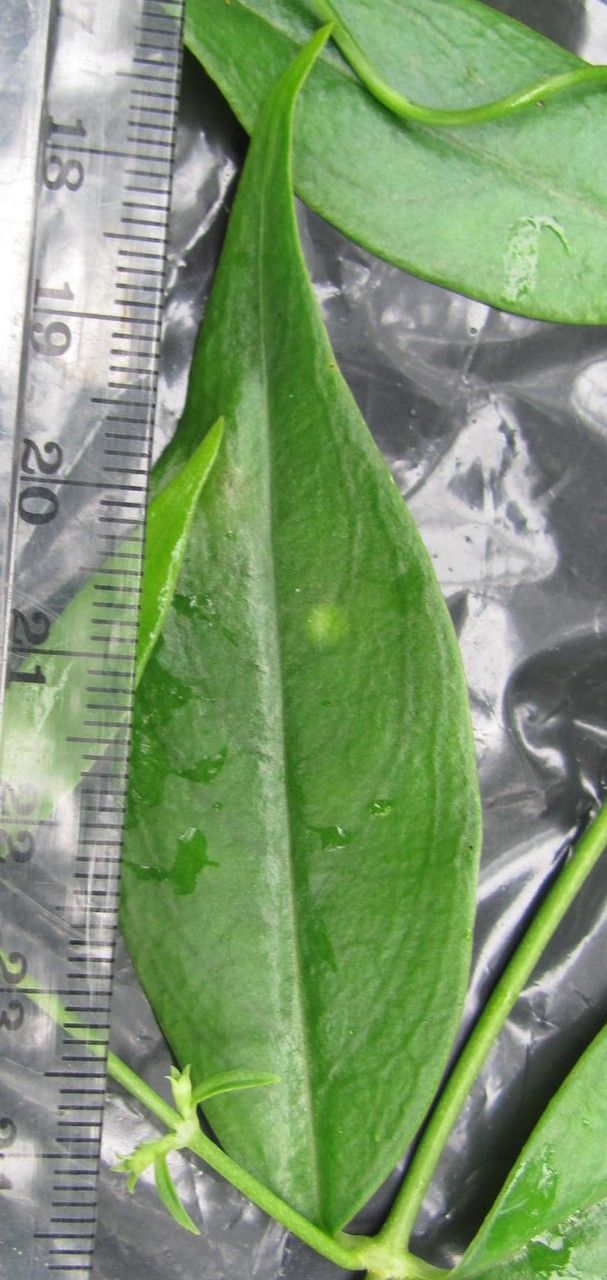
Hello, plant friends! Today, we’re diving into the charming world of Manettia barbata, also known as the Firecracker Vine. If you love a plant that puts on a show with its bright, tubular red and yellow flowers that really do resemble tiny firecrackers, then you’re in for a treat. The real joy, though, comes from seeing those little beauties pop up in your own garden, grown from a cutting you nurtured yourself. It’s incredibly satisfying, and I’m here to tell you, it’s not as daunting as you might think. For those of you just dipping your toes into propagation, Manettia is a fairly forgiving plant, making it a wonderful choice to build your confidence.
The Best Time to Start
When it comes to getting the most bang for your buck, propagation-wise, I’ve found the late spring through mid-summer to be absolutely ideal for Manettia barbata. This is when the plant is in its most vigorous growth spurt. You’ll find plenty of nice, healthy stems to work with, and the warmer temperatures really encourage fast root development. Trying to propagate when the plant is stressed or during cooler months can lead to slower progress, or sadly, no progress at all.
Supplies You’ll Need
Before we get our hands dirty, let’s gather our tools. Think of this as prepping your gardening apron for a fun project!
- Sharp Pruning Shears or Scissors: Clean cuts are key.
- Rooting Hormone Powder (Optional but Recommended): A little boost can make a big difference.
- Small Pots or Seed Trays: For your tiny new plants to start their journey.
- Well-Draining Potting Mix: A good quality seed-starting mix or a blend of peat moss, perlite, and vermiculite works beautifully.
- Clear Plastic Bags or Propagation Domes: To create a humid environment.
- Watering Can or Spray Bottle: For gentle hydration.
- Labels and a Marker: Because we all forget what we planted where!
Propagation Methods
While you might find a few ways to get Manettia going, I find stem cuttings to be the most reliable and straightforward method for this lovely vine.
Stem Cuttings:
- Select Your Cuttings: Look for healthy, non-flowering stems from your mature plant. You want stems that are a bit firm but still flexible – think of them as being about the thickness of a pencil. Avoid stems that are too soft or woody.
- Make the Cut: Using your clean pruning shears, take cuttings that are about 4-6 inches long. Make your cut just below a leaf node (the point where a leaf grows from the stem). This is where new roots are most likely to form.
- Prepare the Cuttings: Gently remove the lower leaves from your cuttings, leaving just two or three leaves at the top. This helps the cutting focus its energy on rooting rather than supporting too many leaves. If the remaining leaves are very large, you can even cut them in half horizontally to reduce water loss.
- Apply Rooting Hormone (Optional): Dip the cut end of each stem into a small amount of rooting hormone powder. Tap off any excess. This isn’t strictly necessary, as Manettia can root without it, but it definitely speeds things up and improves success rates.
- Plant Your Cuttings: Fill your small pots with your moistened potting mix. Make a small hole in the center with your finger or a pencil. Insert the cut end of the stem into the hole, ensuring the leaf nodes where you removed leaves are below the soil surface. Gently firm the soil around the stem.
- Create a Humid Environment: Water gently to settle the soil. Then, cover the pot with a clear plastic bag or a propagation dome. You want to create a mini-greenhouse effect to keep humidity high. If using a bag, you can prop it up with a few chopsticks to keep it from touching the leaves.
The “Secret Sauce” (Pro Tips)
Alright, let’s talk about those little tricks seasoned gardeners use without even thinking about it. These can make all the difference!
- Bottom Heat is Your Friend: Manettia absolutely loves warmth from below. If you have a heat mat specifically designed for seed starting, place your pots on top of it. This will significantly speed up root formation and is a game-changer, especially if your room temperatures fluctuate.
- Don’t Let Leaves Drip in Water: If you opt for water propagation for any reason (though I prefer soil for Manettia), ensure the leaves aren’t submerged. Any leaf tissue in the water will quickly rot, which can then infect the stem. Only the bare stem needs to be in the water.
- Freshness Matters with Hormone: If you’re using rooting hormone, only dip the number of cuttings you plan to pot immediately. Once the hormone is exposed to air, its efficacy starts to diminish.
Aftercare & Troubleshooting
Once your cuttings have been planted and are snug in their humid little homes, the waiting game begins!
- Keep it Humid and Warm: Check the soil moisture regularly. Keep it consistently moist but not waterlogged. You can also mist the insides of the plastic bag or dome occasionally. Place the pots in a bright spot, but out of direct, harsh sunlight. Remember that bottom heat? Keep it on.
- Look for the Signs of Life: After a few weeks, you should start to see signs of new growth – tiny new leaves or shoots emerging from the top. You can also give a very gentle tug on the cutting. If you feel resistance, it means roots have formed!
- What if Things Go Wrong? The most common culprit for failure is rot. If you see your cutting turning mushy or black, it’s likely due to overwatering or insufficient air circulation. If you see signs of rot early, you might be able to salvage a healthier section of the stem and try again. Another sign of trouble is a wilted cutting despite high humidity. This can sometimes indicate that the cutting simply wasn’t viable or the conditions weren’t quite right. Don’t get discouraged!
A Encouraging Closing
Propagating plants is a journey, and sometimes it’s a lesson in patience. Don’t be too hard on yourself if your first attempt isn’t a resounding success. Every cutting you take is practice, and each new plant you grow from a piece of your own treasure is an absolute triumph. Keep nurturing, keep watching, and enjoy the magic of watching new life unfold. Happy propagating, everyone!
Resource:
https://identify.plantnet.org/k-world-flora/species/Manettia%20barbata%20Oerst./data