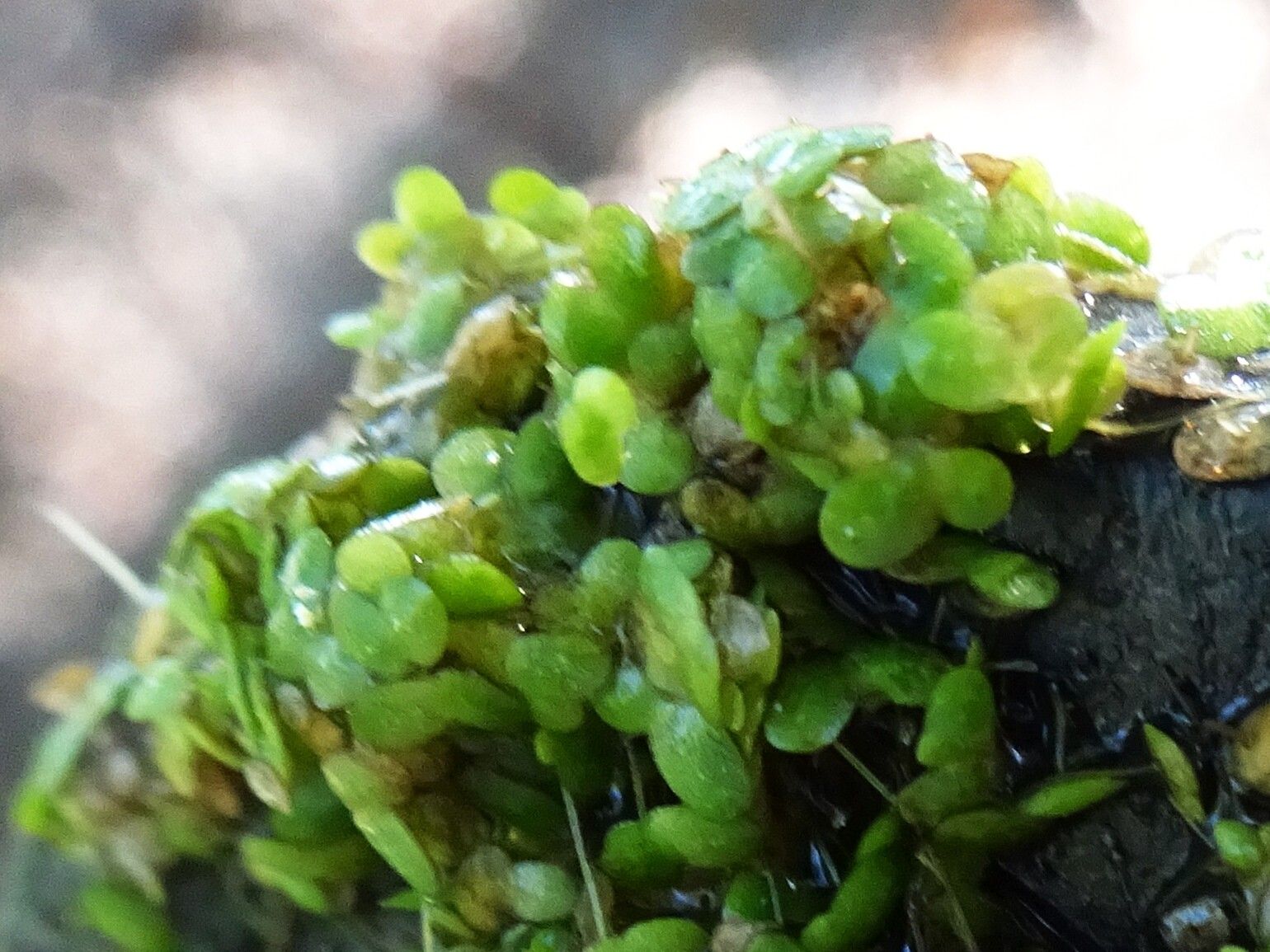
Ah, hello there, fellow plant enthusiast! Pull up a chair, let’s chat about one of my absolute favorite little green gems: Lemna minuta, often known as tiny duckweed. If you haven’t encountered it before, imagine miniature lily pads, but even smaller and incredibly prolific. They form a dense, vibrant green carpet on the surface of still water, creating a beautiful, calming effect in ponds, water features, or even a dedicated bathtub aquarium.
Propagating Lemna minuta is a joy. It’s one of those plants that practically begs you to make more of it. And truthfully, for beginners? If you can float something on water, you can propagate this little marvel. It’s incredibly forgiving.
The Best Time to Start
Honestly, Lemna minuta is pretty much a year-round propagator if you have a stable, indoor environment. But for the absolute best results, aim for late spring through early autumn. This is when the plant is naturally in its peak growth phase, fueled by longer daylight hours and warmer temperatures. You’ll see new fronds developing at an astonishing rate. If you’re doing this outdoors in a pond, you’ll notice a natural surge in growth during these months anyway.
Supplies You’ll Need
You’ll be pleased to know that this doesn’t require a fancy toolbox!
- A clean container: This could be a glass jar, a shallow plastic tub, or even an old aquarium. The key is that it needs to hold water.
- Water: Tap water is usually fine, but if yours is heavily chlorinated, letting it sit out for 24 hours to dechlorinate is a good idea. For sensitive setups, rainwater or distilled water is even better.
- A source of Lemna minuta: This is your mother colony! A small pinch is all you need.
- A small net or sieve (optional): This helps scoop up your duckweed.
- A bright location: Indirect sunlight is ideal.
Propagation Methods
For Lemna minuta, it’s all about simplicity. We’re essentially just giving it more space to do its thing.
1. The “Float and Forget” Method (Division/Spreading):
This is, hands down, the easiest and most natural way to propagate Lemna minuta. It’s not so much a “method” as it is a consequence of its growth habit.
- Step 1: Gather your mother colony. Gently scoop a small handful of your existing Lemna minuta from its current home.
- Step 2: Prepare your new container. Fill your clean container with a few inches of your chosen water.
- Step 3: Introduce the new plants. Carefully place the gathered Lemna minuta onto the surface of the water in the new container. Don’t worry if they clump together; they’ll spread.
- Step 4: Provide light. Set the container in a bright spot with indirect sunlight.
That’s it! Within days, you’ll see new, tiny fronds popping up. As they multiply, they’ll naturally spread across the water’s surface. When the new container becomes crowded, you can simply take a portion of the floating mat and start another new container. It’s a continuous cycle of abundance.
The “Secret Sauce” (Pro Tips)
Here are a couple of things I’ve learned that really help things along:
- Don’t let the leaves touch the water surface unnecessarily. While they are aquatic plants, constantly submerging entire fronds isn’t ideal. Lemna minuta grows on the surface tension. When you’re adding new plants or “dividing,” try to gently skim them off the water’s surface with your net or sieve before placing them in their new home. This helps prevent early rot.
- Gentle water movement can be beneficial. While they prefer still water, a very gentle current, like from a tiny air stone running on its lowest setting far from the duckweed, can help bring fresh oxygen to the roots and prevent stagnant patches that can lead to decay. Don’t overdo this, though – a strong current will just wash them away!
Aftercare & Troubleshooting
Once your Lemna minuta is happily multiplying, you don’t need to do much. Keep an eye on the water level and top it up as it evaporates. If you notice any sections turning brown or slimy, remove them immediately. This is often a sign of:
- Overcrowding: Too many plants in too small a space can deplete nutrients and lead to decay. Simply thin out the mat by scooping out excess fronds and starting new colonies or adding them to other water bodies.
- Poor water quality: If the water becomes cloudy or smelly, it’s time for a partial water change.
- Insufficient light: If your duckweed is looking pale and leggy, it might need a brighter location.
The main “failure” you’ll encounter is rot, and as mentioned, it’s usually a sign something else is amiss, not that the plant itself is failing. You’re more likely to have too many than too few!
A Closing Thought
Propagating Lemna minuta is a fantastic way to connect with nature’s incredible ability to multiply. It’s a simple, rewarding process that gives you an endless supply of this charming little plant. Be patient, observe, and enjoy the magic of watching life unfurl right before your eyes. Happy growing!
Resource:
https://identify.plantnet.org/k-world-flora/species/Lemna%20minuta%20Kunth/data