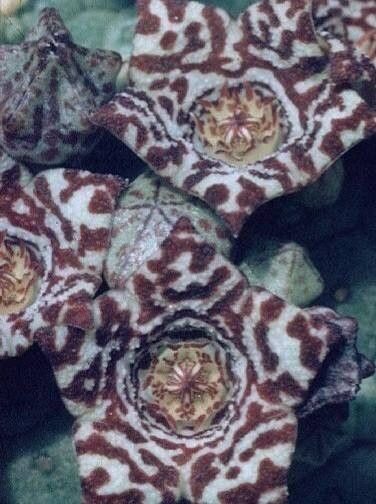
Hello fellow plant lovers! Today, we’re diving into the fascinating world of Larryleachia picta. This succulent is a real gem, isn’t it? It’s got those wonderfully textured, wonderfully patterned stems that just draw you in. Propagating them is such a rewarding feeling, like coaxing a tiny bit of that magic into existence yourself. Now, if you’re just starting out with succulents, Larryleachia picta might be a little on the trickier side, but don’t let that deter you! With a little patience and this guide, I think you’ll find it’s totally achievable.
The Best Time to Start
For the highest success rate with Larryleachia picta cuttings, I’ve found spring and early summer to be your best bet. This is when the plant is actively growing and has the most energy reserves to put into developing roots. You’re essentially catching it at its peak vigor. Trying to propagate when it’s dormant in winter or stressed by extreme heat just won’t yield the same results.
Supplies You’ll Need
To get started, you’ll want to gather a few things:
- Sharp Pruning Shears or a Clean Knife: For making clean cuts.
- Well-Draining Succulent or Cactus Mix: This is crucial. I like a blend of potting soil, perlite, and pumice for excellent aeration.
- Rooting Hormone (Optional but Recommended): It gives those cuttings a little extra boost.
- Small Pots or Trays: With drainage holes, of course!
- Watering Can with a Fine Rose: For gentle watering.
- Gloves: Some succulents can have a bit of a sticky sap.
- A Bright, Indirect Light Location: Avoid harsh, direct sun initially.
Propagation Methods
When it comes to Larryleachia picta, the most reliable method for me has always been stem cuttings. It’s straightforward and gives you a great chance of success.
Stem Cuttings:
- Select a Healthy Stem: Look for a mature, healthy stem on your parent plant. Avoid any that look mushy, discolored, or damaged.
- Make the Cut: Using your sharp, clean shears or knife, make a clean cut. I usually aim for a section that’s about 3-4 inches long. If your plant has multiple stems, you can often get a few cuttings from one.
- Allow to “Cure”: This is a really important step. Place your cuttings in a dry, well-ventilated spot out of direct sun for several days, even up to a week or two. You want the cut end to callus over, forming a dry, protective layer. This prevents rot when you plant it. You’ll see the cut end turn a bit dry and scarred.
- Apply Rooting Hormone (Optional): If you’re using rooting hormone, dip the callused end of the cutting into the powder or gel. Tap off any excess.
- Plant Your Cuttings: Fill your small pots with your well-draining succulent mix. Make a small hole in the soil, just large enough for the callused end of the cutting. Gently insert the cutting, ensuring it’s stable. You don’t need to bury it too deeply; about an inch is usually sufficient.
- Initial Watering: After planting, give the soil a very light watering. You just want to settle the soil around the base of the cutting.
The “Secret Sauce” (Pro Tips)
You know, after years of playing with plants, a few little tricks really make a difference.
- Don’t Overwater the Cuttings: Seriously, this is where most people go wrong. The callused ends are designed to absorb moisture from the air and soil, but too much water, especially before roots form, is a fast track to rot. I often wait until the soil feels dry to the touch before giving another light watering. Think misting or a very gentle pour.
- Bottom Heat is Your Friend: If you have a heat mat designed for seedlings and cuttings, using it gently under your pots can work wonders! It encourages root development from below, giving you faster results and a higher success rate. Just make sure it’s set to a low to medium setting.
- Handle with Care: Larryleachia picta can have a bit of a sticky sap, so wearing gloves is a good idea. Also, try not to handle the cuttings too much, especially after planting, to avoid damaging any developing roots.
Aftercare & Troubleshooting
Once you’ve planted your cuttings, patience is key for the first few weeks. Keep them in that bright, indirect light. You’ll know roots are forming when you feel a little resistance if you very gently tug on the cutting, or if you see new growth starting to emerge from the tip or sides.
The most common issue you’ll face is rot. If you notice your cutting turning black and mushy, it’s likely rotted from too much moisture. At this point, unfortunately, that cutting is probably a goner. Try to remove it from the pot to prevent it from affecting any other cuttings nearby.
If your cutting seems to be shriveling but not mushy, it might simply be drying out before it can root. In that case, a slightly more frequent but still very light watering might help.
A Encouraging Closing
So there you have it! Propagating Larryleachia picta is a journey, and like all good journeys, it requires a bit of patience and a lot of love. Don’t be discouraged if your first attempt isn’t perfect. Every cutting you try is a learning experience. Just keep tending to them, observe them, and enjoy the process of watching new life emerge. Happy propagating!
Resource:
https://identify.plantnet.org/k-world-flora/species/Larryleachia%20picta%20(N.E.Br.)%20Plowes/data