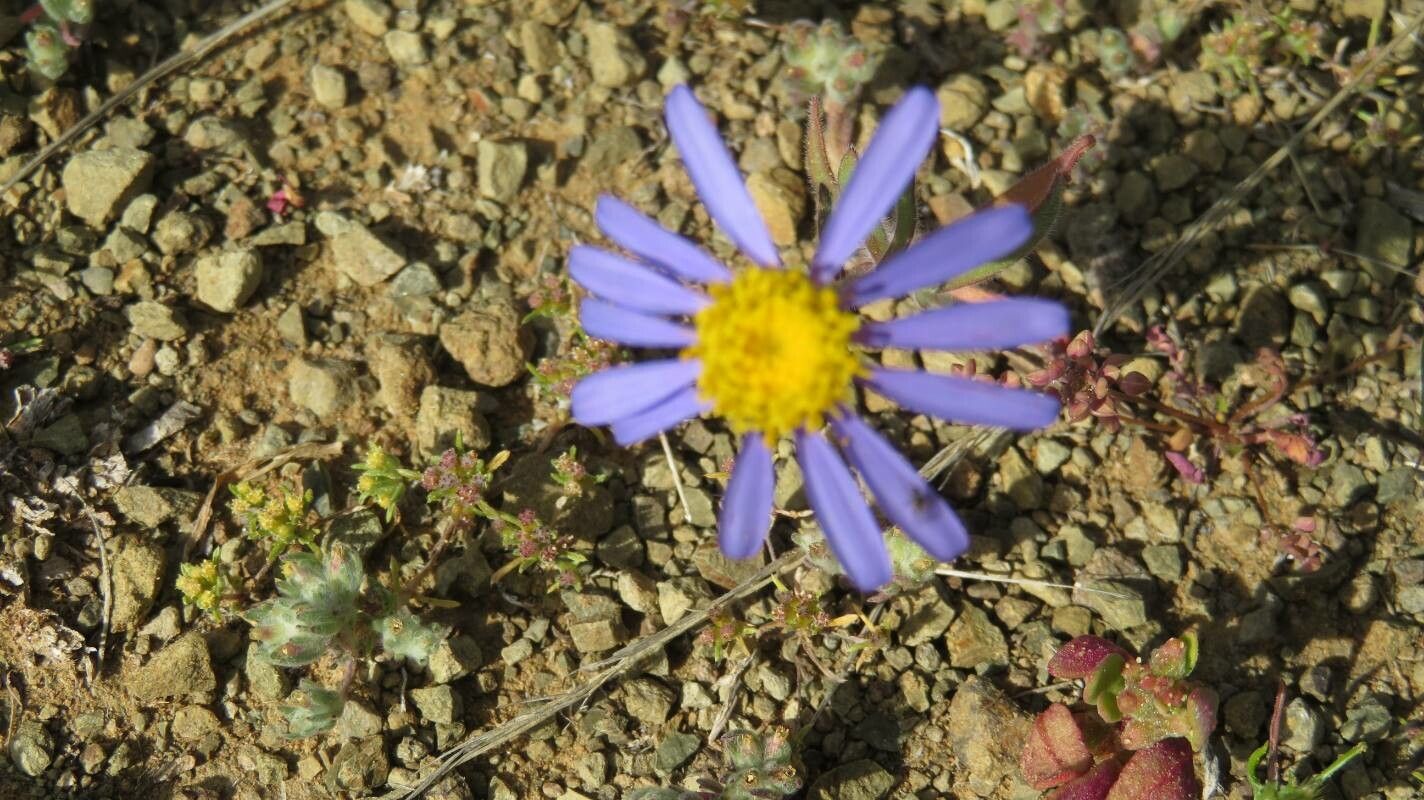
Oh, hello there! Come on in, pull up a chair. I’ve got a pot of tea brewing, and I wanted to chat with you about a little bit of gardening magic: propagating Felicia amoena.
Why You’ll Love Propagating Felicia Amoena
Felicia amoena, often called “Blue Marguerite” or “Kingfisher Daisy,” is just a delight, isn’t it? Those cheerful, sky-blue daisy-like flowers bring such a lift to the garden, particularly in warmer months. And the best part? You can easily multiply these beauties yourself! Propagating them is incredibly rewarding. You’ll have a whole patch of blue blooming in no time, and it’s a fantastic way to share these charmers with friends and family. Don’t be intimidated; Felicias are quite forgiving, making them a super choice for beginners.
When to Get Your Hands Dirty
The sweet spot for propagating Felicia amoena is in late spring or early summer. This is when the plant is actively growing, making it much more receptive to taking cuttings. Keep an eye out for soft, new growth that hasn’t yet become woody. That’s your golden ticket to success.
Your Propagation Toolkit
Here’s what you’ll want to have on hand:
- Sharp pruning shears or a clean, sharp knife: For making nice, clean cuts.
- Seed-starting mix or a well-draining potting mix: I like to use a blend of equal parts peat moss and perlite for good aeration.
- Small pots or seed trays: With drainage holes, of course!
- Rooting hormone (optional, but recommended): This gives your cuttings an extra boost.
- A plastic bag or clear dome: To create a humid environment.
- Water: For a gentle misting or bottom watering.
How to Grow More Blues: Stem Cuttings
This is my go-to method for Felicias because it’s so effective.
- Take your cuttings: Using your clean shears, take 4-6 inch cuttings from healthy, non-flowering stems. Make your cut just below a leaf node (where the leaf meets the stem).
- Prepare the cuttings: Gently strip off the lower leaves, leaving just the top few sets of leaves. If your cuttings are quite large, you can even halve the remaining leaves to reduce water loss.
- Dip in rooting hormone: If you’re using it, dip the cut end into rooting hormone, tapping off any excess.
- Plant the cuttings: Fill your small pots with your prepared mix. Make a small hole with a pencil or your finger. Insert the cutting, ensuring at least one leaf node is buried beneath the soil. Gently firm the soil around the base.
- Create humidity: Water the soil lightly. Then, cover the pot with a plastic bag or a clear dome. This traps moisture, creating a mini-greenhouse.
The “Secret Sauce”: My Insider Tips
Now, for a couple of little tricks I’ve picked up over the years that really make a difference.
- Avoid “drowning” the leaves: When you water your cuttings (especially if you do it gently from the top), be mindful not to let the leaves sit in water. Excess moisture can lead to rot, and we certainly don’t want that!
- Warm toes = Happy roots: Felicias love a bit of warmth to get their roots going. If you’re propagating indoors, placing your pots on a gentle heat mat can significantly speed up the rooting process. Keep it just warm enough to be pleasant to the touch.
Aftercare and What to Watch For
Once your cuttings are nestled in their pots under their plastic tent, find them a bright spot, but out of direct sunlight. Direct sun will scorch those tender baby leaves. Mist the soil gently every few days to keep it lightly moist.
You’ll know your cuttings are taking root when you see new leaf growth emerging. This can take anywhere from 3 to 6 weeks. Once they’ve got a good root system, you can start to gradually remove the plastic cover over a week or so to acclimatize them to normal humidity.
Now, if you notice your cuttings looking limp, yellowing, or even going black and mushy, that’s generally a sign of too much moisture and poor air circulation, leading to rot. Don’t despair! It happens. Just remove the affected cuttings and inspect the others. Sometimes, it’s just a matter of adjusting your watering frequency.
Happy Growing!
Propagating Felicia amoena is a truly joyful endeavor. It’s a chance to learn, experiment, and fill your garden (and your friends’ gardens!) with those delightful blue blooms. Be patient with your little plantlings, give them the care they need, and before you know it, you’ll be rewarded with a whole new generation of these charming flowers. Happy gardening!
Resource:
https://identify.plantnet.org/k-world-flora/species/Felicia%20amoena%20(Sch.Bip.)%20Levyns/data