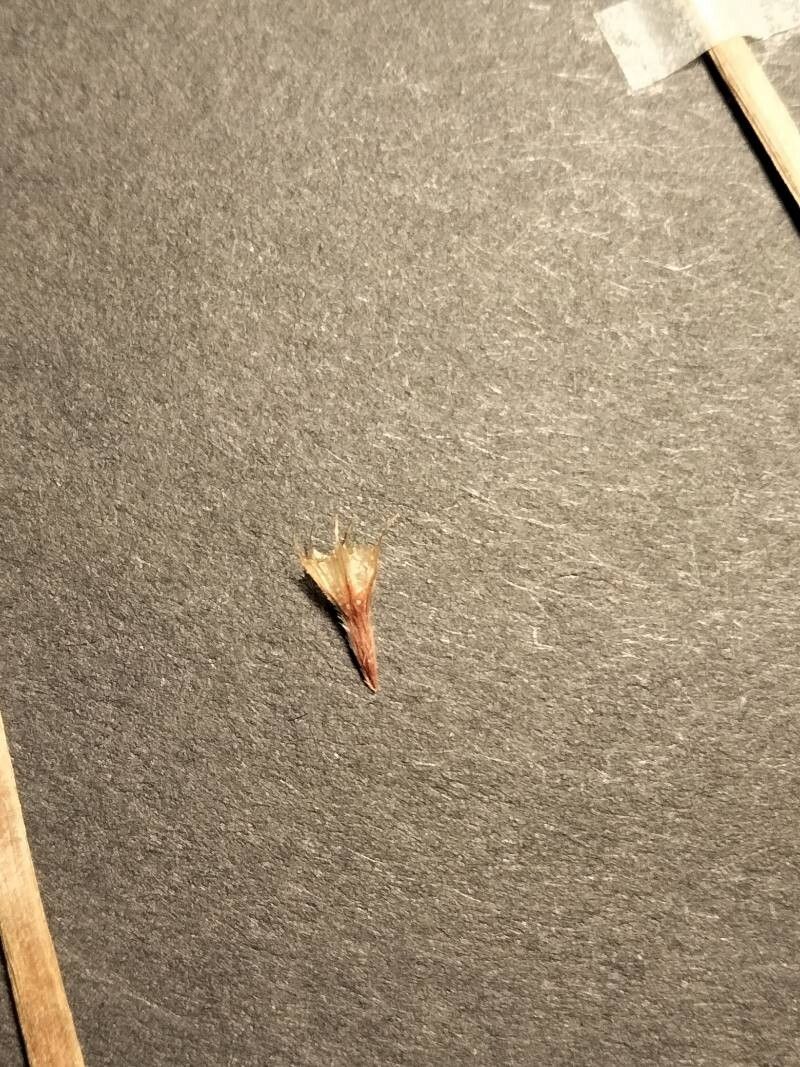
Oh, hello there! Grab a mug, settle in. Today, we’re diving into the delightful world of Armeria cantabrica, or as I affectionately call them, those wonderfully tough little thrift plants. I’ve been fussing over them for two decades now, and let me tell you, coaxing new life from them is one of those small garden joys that truly warms the soul.
A Pint-Sized Piece of Paradise
Armeria cantabrica is just charming, isn’t it? Those dense cushions of grassy foliage topped with delicate pink or white pom-pom flowers that seem to dance in the breeze. They’re just perfect for rock gardens, edging beds, or even tucking into those sunny, dry spots where other plants just sulk. And the best part? They’re surprisingly forgiving, making them a fantastic plant for those dipping their toes into propagation for the first time. You’ll feel like a garden wizard!
When to Get Your Hands Dirty
The real sweet spot for propagating Armeria cantabrica is usually late spring to early summer. This is when the plant is actively growing and has plenty of energy. You’ll want to work with healthy, vigorous stems that aren’t flowering prolifically. Think of it as taking cuttings from a plant that’s feeling its best.
Your Propagation Toolkit
Before we get started, let’s gather our supplies. A little preparation goes a long way!
- Sharp, clean pruning shears or a sharp knife: For making neat cuts.
- Rooting hormone (optional but recommended): Helps give those cuttings a little boost.
- Small pots or seedling trays: Drainage is key!
- Well-draining potting mix: I like a 50/50 mix of perlite and standard potting soil, or even a cactus/succulent mix.
- Watering can with a fine rose or a spray bottle: For gentle watering.
- Labels and a permanent marker: To keep track of your precious new plants.
- A small trowel or dibber: For making planting holes.
Bringing New Life: Propagation Methods
Armeria cantabrica is most reliably propagated through division and stem cuttings. Let’s talk about how to do it.
1. Division: The Easiest Route
This is often the most successful method, especially for beginners. You’re essentially splitting a mature plant into smaller, self-contained units.
- Dig Up: Gently lift the entire plant from its pot or garden bed. Be as gentle as you can with the roots.
- Divide: Look for natural divisions in the root ball. You can often gently pull the clumps apart with your hands. If it’s a bit stubborn, use your clean knife or shears to make a clean cut, ensuring each division has plenty of roots and some healthy foliage.
- Replant: Immediately pot up or replant each division. Water them in well and keep them in a slightly shaded spot for a week or two to help them recover.
2. Stem Cuttings: A Bit More Patience
This is where we take cuttings from existing stems. It requires a bit more finesse, but it’s incredibly rewarding.
- Select Stems: Choose healthy, non-flowering stems that are about 3-4 inches long. Look for stems that are sturdy but not woody.
- Make the Cut: Using your sharp shears or knife, make a clean cut just below a leaf node (where a leaf attaches to the stem).
- Prepare the Cutting: Remove the lower leaves. You want to expose the leaf nodes, as this is where roots will form. If you have a lot of leaves at the top, you can trim them back by about half to reduce water loss.
- Dip in Hormone (Optional): If you’re using rooting hormone, dip the cut end into the powder or gel. Tap off any excess.
- Plant Them Up: Fill your pots with your well-draining mix and water it lightly. Use a dibber or your finger to make a small hole in the soil. Gently insert the cutting into the hole, ensuring the lower leaf nodes are covered by soil. Firm the soil gently around the stem.
- Water and Cover: Water gently. You can then place a clear plastic bag or a clear plastic dome over the pot to create a mini-greenhouse. This helps maintain humidity, which is crucial for cuttings to root.
The “Secret Sauce”: My Insider Tips
Over the years, I’ve learned a few tricks that really seem to make a difference.
- Don’t Drown Your Cuttings: This is a big one, especially for stem cuttings. While they need moisture, soggy soil is a recipe for rot. Ensure your pots have good drainage and water only when the top inch of soil feels dry. I often prefer to mist the cuttings initially rather than water from the top, as it’s less disruptive.
- Bottom Heat is Your Friend: If you’re struggling with stem cuttings, a little gentle bottom heat can significantly speed up root development. A heating mat designed for seedlings will do wonders. It encourages root growth without drying out the top of the cutting.
- Patience with Divisions: Even once divided, your new plants might look a little sad for a few days. They are recovering from the shock of being moved. Don’t fuss too much, just ensure they have adequate moisture and indirect light. They’ll perk up.
Aftercare and What to Look For
Once your divisions are established or your cuttings have rooted (you might see new growth or feel a gentle tug when you lightly pull on a cutting), it’s time to treat them like young plants.
For Divisions: Continue to water them regularly, but allow the soil to dry out slightly between waterings. Gradually introduce them to more sunlight as they gain strength.
For Cuttings: Once they have a good root system, you can remove the plastic cover. Continue to water as needed. You’ll know they’ve rooted when you see new shoots or leaves emerging.
Troubleshooting: The most common issue you’ll face is rot, especially with stem cuttings. This usually happens from overwatering or poor drainage. If you see a cutting turning black and mushy, unfortunately, it’s likely a goner. Remove it immediately to prevent it from affecting other cuttings. If you’re using divisions, wilting for more than a day or two after planting could indicate root disturbance or insufficient watering. Gently check the soil moisture and give them a good soak if dry.
Happy Propagating!
There you have it – a simple guide to bringing more of those delightful Armeria cantabrica into your garden. Don’t be discouraged if your first attempts aren’t perfect. Gardening is a journey of learning and experimentation. Be patient, observe your plants, and most importantly, enjoy the process of creating new green life. Happy gardening!
Resource: