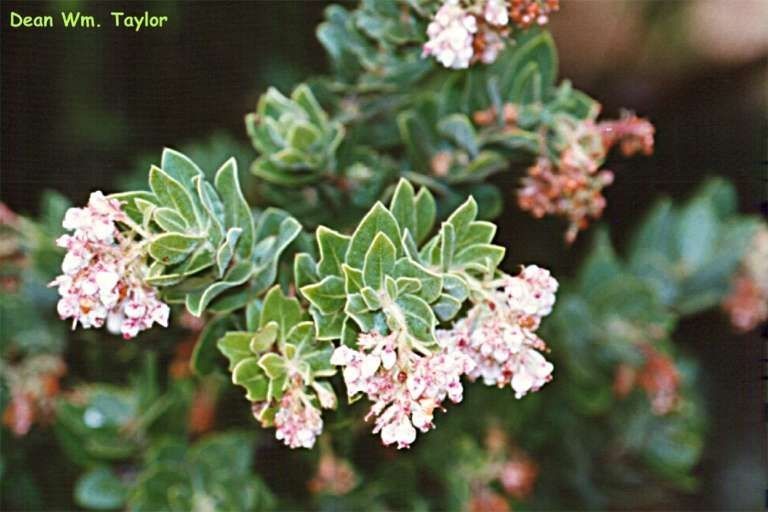
Hey there, fellow plant enthusiasts! Have you ever encountered the stunning beauty of Arctostaphylos regismontana and thought, “I’d love to have more of that in my garden!”? I know I have. This gorgeous Manzanita, with its smooth, reddish bark and delicate pink flowers, is truly a gem. Growing more of these beauties yourself is incredibly rewarding, and while it might seem a little daunting at first, I promise, with a little guidance, you can absolutely do it. Let’s dive in!
The Best Time to Start
When it comes to propagating Arctostaphylos regismontana, late spring to early summer is usually your golden window. This is when the plant is actively growing, and the new shoots have started to harden off just a little, making them perfect for cuttings. You’re looking for what we call “semi-hardwood” cuttings. Avoid using brand new, super-soft growth or old, woody material.
Supplies You’ll Need
Before we get our hands dirty, let’s gather our tools. Having everything ready makes the process so much smoother.
- Sharp Pruning Shears or a Craft Knife: Clean cuts are essential.
- Rooting Hormone: This gives your cuttings a little boost. I prefer the powdered kind, but liquid works too.
- Potting Mix: A well-draining mix is non-negotiable for Manzanitas. I often use a blend of perlite, coarse sand, and a bit of peat moss or coco coir. You can also buy commercial succulent or cactus mixes and amend them.
- Small Pots or Trays: With drainage holes, of course!
- Plastic Bags or a Propagator Lid: To create a humid environment.
- Water: For misting.
- Labels: So you don’t forget what you’ve propagated!
Propagation Methods: Stem Cuttings
For Arctostaphylos regismontana, taking stem cuttings is my go-to method and usually the most successful. It’s straightforward and gives you a great chance of success.
- Take Your Cuttings: Using your sharp shears, select healthy stems that are about 4-6 inches long. Make a clean cut just below a leaf node (where a leaf attaches to the stem).
- Prepare the Cuttings: Gently remove the lower leaves from the cutting, leaving only the top few. This prevents them from rotting in the soil. You can also carefully scrape a small strip of bark from one side of the bottom inch of the stem to expose more surface area for rooting.
- Dip in Rooting Hormone: Lightly moisten the cut end of the stem, then dip it into your rooting hormone. Tap off any excess.
- Plant Your Cuttings: Fill your pots or tray with your prepared, moistened potting mix. Make a small hole with a pencil or your finger and gently insert the cutting. Firm the soil around it so the cutting is stable.
- Create Humidity: Water the soil gently. Then, cover the pots with a clear plastic bag or place them in a propagator with a lid. This traps moisture and creates that humid environment cuttings love.
The “Secret Sauce” (Pro Tips)
Now, for a couple of things I’ve learned over the years that really make a difference.
- Don’t Drench, Just Moisten: When you first plant your cuttings, water them enough so the mix is moist but never soggy. Manzanitas absolutely hate wet feet, even when trying to root.
- Bottom Heat is Your Friend: If you have a heat mat, placing your pots on it can significantly speed up root development. It mimics the warmth of spring and encourages those roots to get going. Just make sure the heat isn’t too intense.
Aftercare & Troubleshooting
Once your cuttings are nestled in their humid haven, place them in a bright spot, but out of direct sunlight. You’ll want to lightly mist the leaves every few days, especially if you see the soil drying out.
You’ll know your cuttings are rooting when you see new growth appearing at the top, or when you gently tug on a cutting and feel some resistance. This can take anywhere from 4 weeks to a few months.
The most common problem you might encounter is rot. If you see your cutting turning mushy or black, it’s usually a sign of too much moisture or poor air circulation. Don’t be discouraged if some don’t make it; it’s part of the learning process! Remove any rotten cuttings immediately to prevent it from spreading.
A Encouraging Closing
Propagating plants is a journey, and each cutting is a little experiment. Be patient with your Arctostaphylos regismontana; they can take their sweet time. But when you see those first tiny roots, or that first new leaf unfurl, it’s an incredibly satisfying feeling. So go ahead, get your hands dirty, and enjoy the magic of growing your own beautiful Manzanitas. Happy propagating – you’ve got this!
Resource:
https://identify.plantnet.org/k-world-flora/species/Arctostaphylos%20regismontana%20Eastw./data