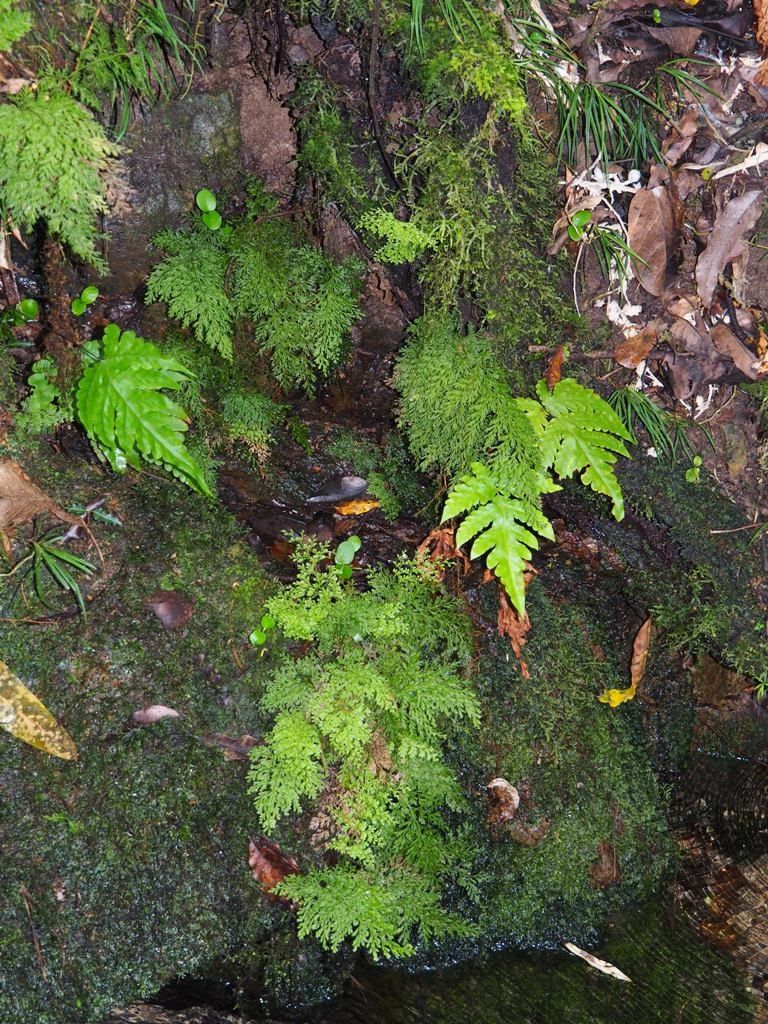
Hey there, fellow plant lovers! If you’ve ever marveled at the delicate, airy fronds of Trichomanes maximum, you know it’s a fern that whispers old-world charm. It’s such a joy to watch its new growth unfurl, creating a lush, almost ethereal display. And guess what? You can bring that magic to other corners of your home – or even share it with fellow enthusiasts!
Propagating Trichomanes maximum is a really rewarding process. Honestly, it’s not the easiest plant for absolute beginners starting out, as it likes a bit of humidity and specific conditions, but with a little care and attention, it’s absolutely achievable! Think of it as a lovely gardening challenge that yields beautiful results.
The Best Time to Start
My go-to time for propagating Trichomanes maximum is during the active growing season, typically late spring through summer. This is when the plant is full of vigor, and its energy is directed towards new growth and recovery. You’ll notice it putting out fresh, healthy fronds, which is exactly what we want to work with. Trying to propagate when the plant is dormant is like trying to start a car on a cold winter morning – it just won’t have the same enthusiasm!
Supplies You’ll Need
Before we get our hands dirty, let’s gather our trusty tools:
- Sharp pruning shears or a clean craft knife: For making clean cuts. Sterilize them with rubbing alcohol between cuts to prevent spreading any yucky stuff.
- A well-draining potting mix: I like a blend of peat moss or coco coir, perlite, and a bit of orchid bark. This mix provides good aeration and retains just enough moisture.
- Small pots or propagation trays: Clean ones, please!
- A clear plastic bag or a propagator lid: To create that humid environment new cuttings crave.
- Spray bottle filled with filtered water: For misting.
- Optional: Rooting hormone: For a little extra boost, though Trichomanes maximum can often root without it.
Propagation Methods
Trichomanes maximum is most commonly propagated through division and stem cuttings. Let’s dive into how we do it!
Division
This is my preferred method when I have a mature, overgrown plant. It’s like giving your fern a fresh start and a haircut all at once!
- Gently remove the fern from its pot. Be extra careful with the delicate roots.
- Inspect the root ball. Look for natural divisions – areas where the plant is already starting to separate.
- Carefully tease apart the root ball with your fingers or a blunt tool. If it’s really dense, you might need to use your sterilized pruning shears to make a cut, but try to keep as much root intact as possible for each new division.
- Aim for divisions that have a good amount of roots and at least one or two healthy fronds.
- Pot up each division into its own container with your prepared potting mix.
- Water gently to settle the soil.
- Place the newly potted divisions in a humid spot. Covering them with a plastic bag or propagator lid will help tremendously.
Stem Cuttings
This method is great for propagating when you have a healthy, established plant and want to get more from it.
- Identify a healthy, mature frond with a bit of stem attached near the base of the plant. Look for one that’s fully unfurled and looks vigorous.
- Using your sharp shears or knife, make a clean cut just below a node (where a frond emerges from the stem). You want to ensure you have a piece of the main stem with the frond. For Trichomanes, sometimes you can even use a piece of the rhizome (the creeping stem) if it has a frond attached. This is often more successful!
- Remove any lower leaves that might be below the soil line when you pot it up.
- Dip the cut end into rooting hormone (if using), tapping off any excess.
- Plant the cutting about an inch deep in your well-draining potting mix, ensuring the frond is upright.
- Water gently.
- Place the pot in a propagator or cover it with a clear plastic bag. Make sure the plastic bag doesn’t touch the frond if possible!
The “Secret Sauce” (Pro Tips)
Here are a couple of things I’ve learned over the years that really make a difference:
- Humidity is KING: Trichomanes absolutely loves high humidity. When propagating, that cover is crucial. If you’re not using a propagator, you can even place the pots on a pebble tray filled with water – just make sure the bottom of the pot isn’t sitting directly in the water.
- Gentle, Consistent Moisture: I don’t like my cuttings to sit in soggy soil, as this is a fast track to rot. Instead, I aim for consistently moist but not wet soil. I’ll check daily by gently touching the surface. If it feels dry, a light misting is in order.
Aftercare & Troubleshooting
Once you see new growth emerging from your cuttings or divisions, that’s a fantastic sign!
- Gradually Acclimate: As the new plant establishes, slowly begin to acclimate it to less humid conditions. Start by opening the propagator lid for a few hours each day, then gradually increase the time.
- Watering: Continue to water when the top inch of soil feels dry.
- Light: Maintain bright, indirect light. Direct sun will scorch those tender new fronds.
The most common issue you might face is rot. If you see your cutting turning mushy or yellowing drastically and refusing to root, it’s usually a sign of overwatering or insufficient airflow. Don’t be discouraged if a few don’t make it! It happens even to the best of us. Sometimes, the rhizome can rot. If you see that happening, there’s little to be done.
A Encouraging Closing
Propagating plants is an exercise in patience and observation. Not every attempt will be a roaring success, but that’s part of the learning curve! Keep an eye on your little newcomers, provide them with the right conditions, and celebrate every tiny new frond. You’ve got this, and the joy of watching a new Trichomanes maximum thrive from your efforts is truly unparalleled. Happy propagating!
Resource:
https://identify.plantnet.org/k-world-flora/species/Trichomanes%20maximum%20Blume/data