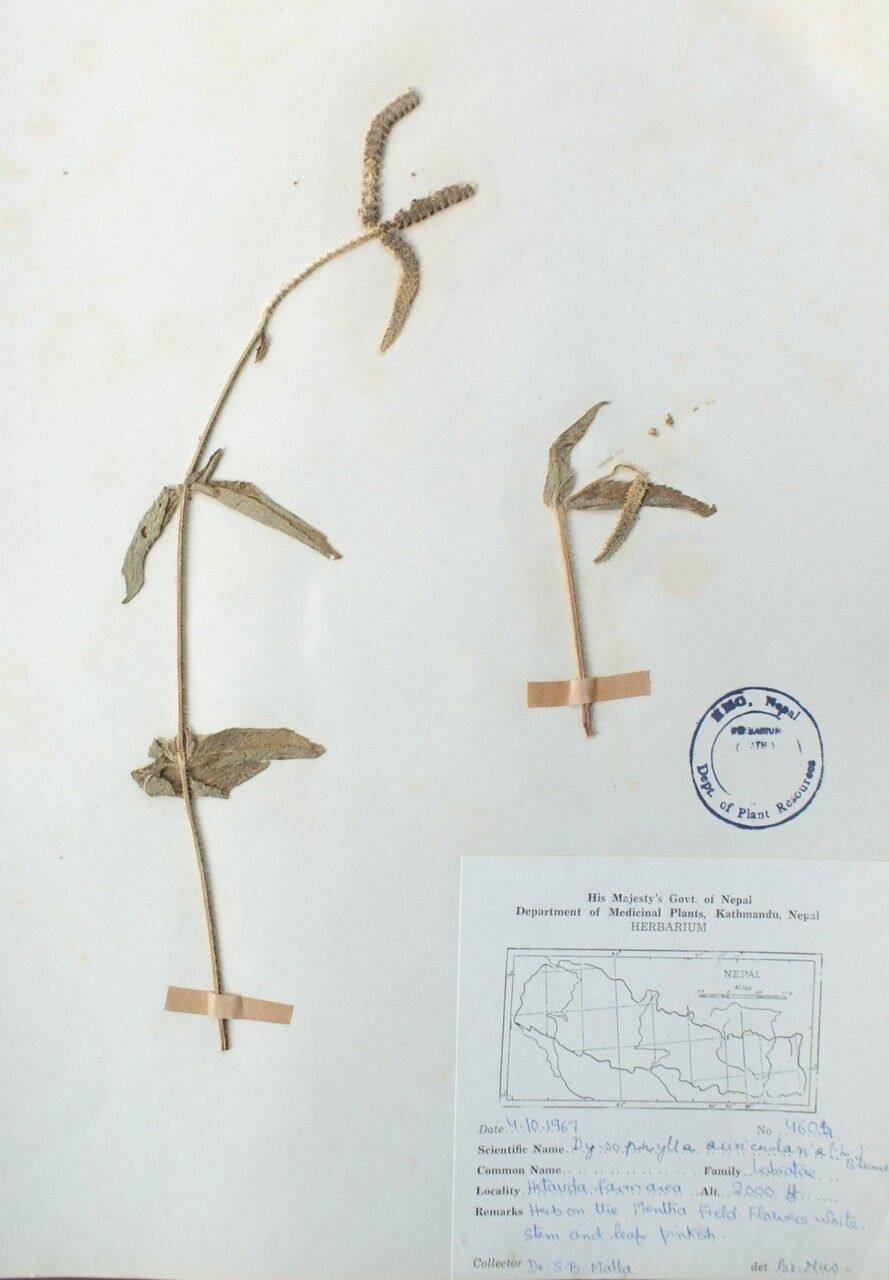
Oh, hello there! So, you’ve fallen in love with Pogostemon auricularius, have you? I don’t blame you one bit. This plant, with its delicate, almost fern-like foliage and often lovely fragrance, brings such a touch of wild elegance to a space. And the most rewarding part? Making more of them yourself! It’s like magic, but with a little bit of science and a whole lot of patience. The good news is, Pogostemon auricularius is quite generous when it comes to sharing its clones. It’s a fantastic plant for beginners looking to dip their toes into propagation.
The Best Time to Start
Honestly, the spring is my absolute favorite time to get started. As the days get longer and warmer, the plant is bursting with energy, and your new cuttings will have a better chance of rooting quickly. Late spring or early summer works just as well. You’re looking for a healthy, actively growing stem – nothing that looks tired or stressed.
Supplies You’ll Need
Here’s what I usually have on hand when I’m propagating:
- Sharp pruning shears or a clean craft knife: For taking clean cuts.
- Sterilized pots or containers: Small ones are perfect.
- Well-draining potting mix: A good blend of peat moss, perlite, and a bit of compost usually does the trick. You can also find specific succulent or seed-starting mixes that work well.
- Rooting hormone (optional but helpful): A little dip can encourage faster root development.
- Clear plastic bags or a propagation dome: To create a humid environment.
- Water: For water propagation.
- A spray bottle: For gentle misting.
Propagation Methods
Pogostemon auricularius is pretty straightforward and offers a couple of easy ways to make new plants.
Stem Cuttings
This is my go-to method for this plant.
- Take Your Cuttings: Using your sharp shears or knife, select a healthy stem. Make a clean cut just below a leaf node (where a leaf attaches to the stem). Aim for cuttings that are about 3-6 inches long.
- Prepare the Cutting: Gently remove the lower leaves from the cutting, leaving just the top few intact. This prevents them from rotting when they’re in the soil or water.
- Apply Rooting Hormone (Optional): If you’re using rooting hormone, dip the cut end of the stem into the powder or gel. Tap off any excess.
- Plant Your Cuttings: Fill your small pots with your prepared potting mix. Make a small hole with your finger or a pencil and gently insert the cutting, ensuring the leaf nodes are buried. Firm the soil gently around the base.
- Water Gently: Water the soil thoroughly but avoid making it soggy.
- Create Humidity: Cover the pot with a clear plastic bag or place it under a propagation dome. I even use a large ziplock bag sometimes! Ensure the leaves aren’t directly touching the plastic.
- Placement: Place the pot in a warm spot with bright, indirect light. Avoid direct sun, as it can scorch the delicate cuttings.
Water Propagation
This is a lovely visual method, and Pogostemon auricularius roots readily in water.
- Prepare the Cuttings: Follow steps 1 and 2 from the stem cutting method to prepare your cuttings.
- Place in Water: Fill a clean jar or glass with fresh water. Place the prepared cuttings in the water, making sure the leaf nodes that were below the cut are submerged, but the remaining leaves are above the water line.
- Change Water Regularly: This is key! Change the water every few days, or whenever it starts to look cloudy. This prevents bacterial growth.
- Placement: Just like with soil propagation, place the jar in a spot with bright, indirect light. Soon, you’ll see tiny white roots starting to emerge from the nodes.
The “Secret Sauce” (Pro Tips)
- Don’t Let Those Lower Leaves Dwell in Water: Seriously, if you’re water propagating, those leaves left submerged are a one-way ticket to rotville. Keep them high and dry, out of the water. It’s a small detail, but it makes a HUGE difference.
- Bottom Heat is Your Friend: If you’re struggling with rooting, especially in cooler months, a little bit of bottom heat can work wonders. A seedling heat mat placed under your pots will encourage robust root development. It mimics the warmth of spring soil.
Aftercare & Troubleshooting
Once you start seeing new leaf growth or a tangle of healthy roots in your water jar, that’s your sign the magic is happening!
- For Potted Cuttings: Once the roots are well-established (you can gently tug on the cutting and feel resistance, or see roots peeking out the drainage holes), you can remove the plastic bag or dome. Continue to water when the top inch of soil feels dry. Gradually introduce it to slightly brighter light.
- For Water-Rooted Cuttings: When the roots are at least an inch or two long, you can carefully transplant them into soil. Use the same well-draining mix. Water them in well and keep the soil consistently moist for the first week or two as they adjust to their new life.
- Troubleshooting: The most common issue is rot. If your cutting turns black and mushy, it’s usually a sign of too much moisture and not enough air circulation. If you’re see them wilting without any sign of rot, they might be too dry, or not getting enough light. Don’t be discouraged if a few don’t make it – that’s the nature of propagating!
Seeing those tiny new plants unfurl their leaves is such a joy. It’s a little bit of patience, a little bit of hope, and a whole lot of nature’s brilliance at work. So go ahead, grab your shears, pick a happy stem, and enjoy the process of growing more of this beautiful plant. Happy propagating!
Resource:
https://identify.plantnet.org/k-world-flora/species/Pogostemon%20auricularius%20(L.)%20Hassk./data