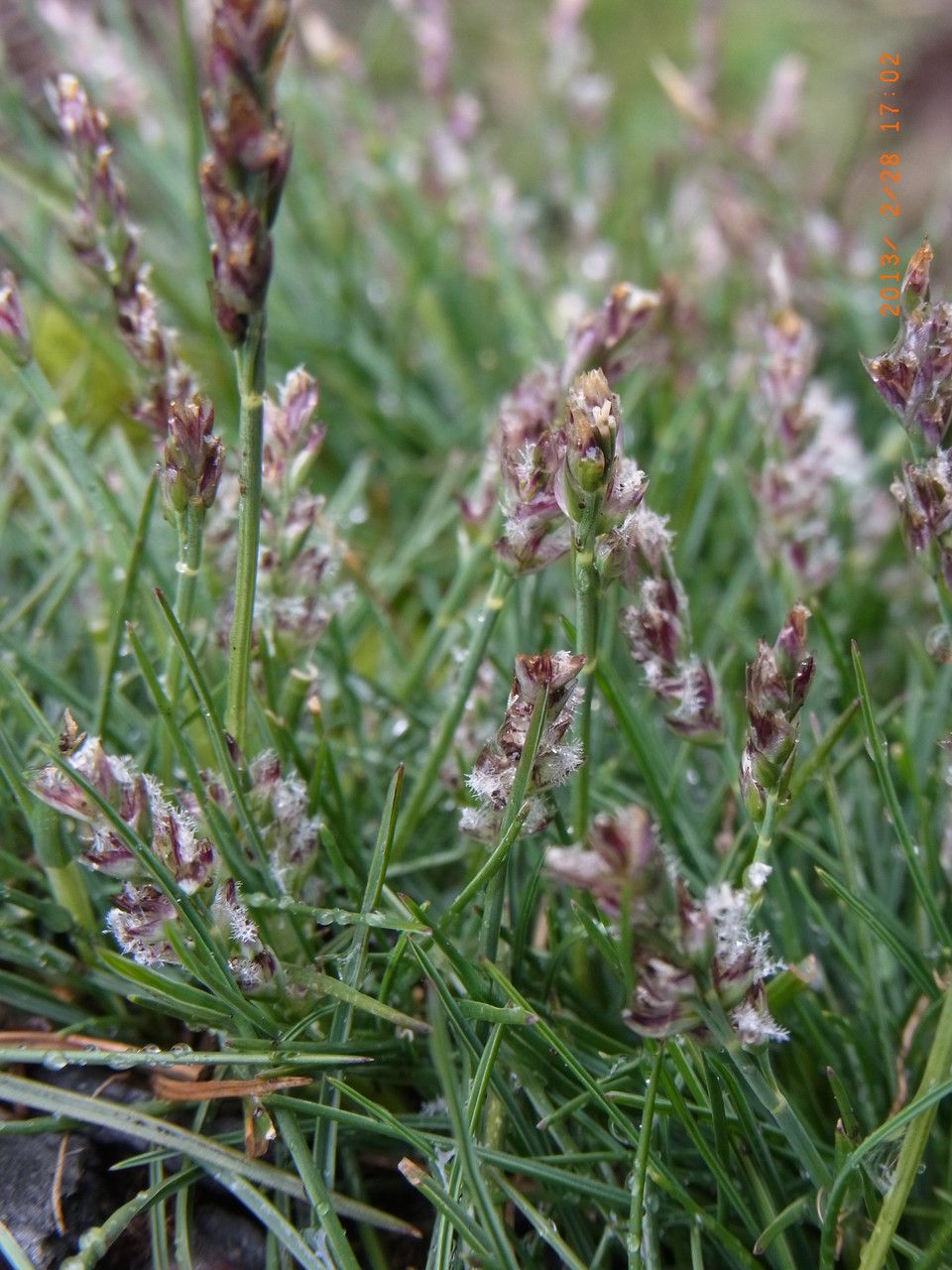
Hey there, fellow garden enthusiasts! I’m so excited to chat with you today about a little gem that’s been gracing my garden for years: Poa gymnantha. If you’re looking for a plant that adds a touch of delicate beauty and a whisper of movement to your landscape, you’re in for a treat. Its graceful, airy seed heads are just stunning, especially when the light catches them. And guess what? Propagating Poa gymnantha is a truly rewarding experience, and I find it surprisingly approachable, even for those of you just starting your plant-parenting journey.
The Best Time to Start
For Poa gymnantha, I’ve found that the absolute sweet spot for propagation is late spring to early summer. This is when the plant is actively growing and has plenty of energy to put into developing new roots. You want to catch it before it gets too hot and dry, or too late in the season when growth starts to slow down. Looking for signs of new growth or when the plant is vigorously putting out those lovely seed heads is a good indicator.
Supplies You’ll Need
Gathering your supplies beforehand makes the whole process so much smoother. Here’s what I usually have on hand:
- Sharp pruning shears or a clean knife: For making precise cuts.
- Well-draining compost or potting mix: I like a blend of peat moss, perlite, and some compost. Something airy is key!
- Small pots or propagation trays: Whatever fits your space.
- Rooting hormone (optional but helpful): Especially if you’re a beginner, this can give you a little boost.
- Spray bottle: For keeping things lightly moist.
- Labels: So you don’t forget what you planted where!
Propagation Methods
Poa gymnantha is wonderfully versatile, and I’ve had success with a couple of methods. Let’s dive into the one I use most often: division.
Division: Unlocking New Life
This is my go-to because it’s so straightforward and gives you a plant that’s already a decent size.
- Digging Up Your Treasure: Gently excavate your Poa gymnantha plant. I usually dig around the root ball, trying to disturb the roots as little as possible. If it’s a mature plant that’s really settled in, you might need to use a spade.
- Separating the Clumps: Once you have it out, you’ll likely see that the plant has naturally formed several smaller clumps or divisions. You can often tease these apart with your hands, or if they’re a bit stubborn, use a clean trowel or knife to gently cut through the roots. Aim for divisions that have a good amount of roots and at least a few healthy shoots.
- Replanting the Divisions: Now, get your fresh pots ready with your well-draining mix. Make a little hole in the center of each, place a division in, and gently backfill with soil, firming it lightly around the base.
- Watering In: Water each new division thoroughly. This helps settle the soil and removes any air pockets around the roots.
The “Secret Sauce” (Pro Tips)
Here are a few little tricks I’ve picked up over the years that can really make a difference:
- Don’t Overwater: This is huge! Poa gymnantha can be susceptible to rot if its roots are constantly soggy. I always tell people to water thoroughly when planting, but then to let the soil dry out slightly between waterings. Stick your finger in about an inch – if it feels dry, it’s time for a drink.
- Give Them Some Shade: Especially right after dividing, those new plants can be a bit stressed. Place them in a spot with dappled shade or indirect sunlight for the first week or two. They’ll thank you for it by not wilting dramatically!
Aftercare & Troubleshooting
Once your divisions are happily replanted, give them a bit of TLC. Keep an eye on the moisture levels as we discussed. You’ll start to see new shoots emerging, which is a beautiful sign that they’re establishing themselves.
Now, what if things go wrong? The most common issue I see is rot, which is usually a sign of overwatering or poor drainage. If you notice yellowing leaves or a mushy base, it’s a good indicator you might need to ease up on the water or check your soil mix. Sometimes, if you catch it early, you can repot the division in fresh, dry soil. Don’t be discouraged if a few don’t make it – it’s all part of the learning process!
Propagating Poa gymnantha is such a fulfilling way to fill your garden with more of this lovely grass. Be patient with your new plants, offer them a little care, and soon you’ll have a whole colony of these beauties to enjoy. Happy gardening!
Resource:
https://identify.plantnet.org/k-world-flora/species/Poa%20gymnantha%20Pilg./data