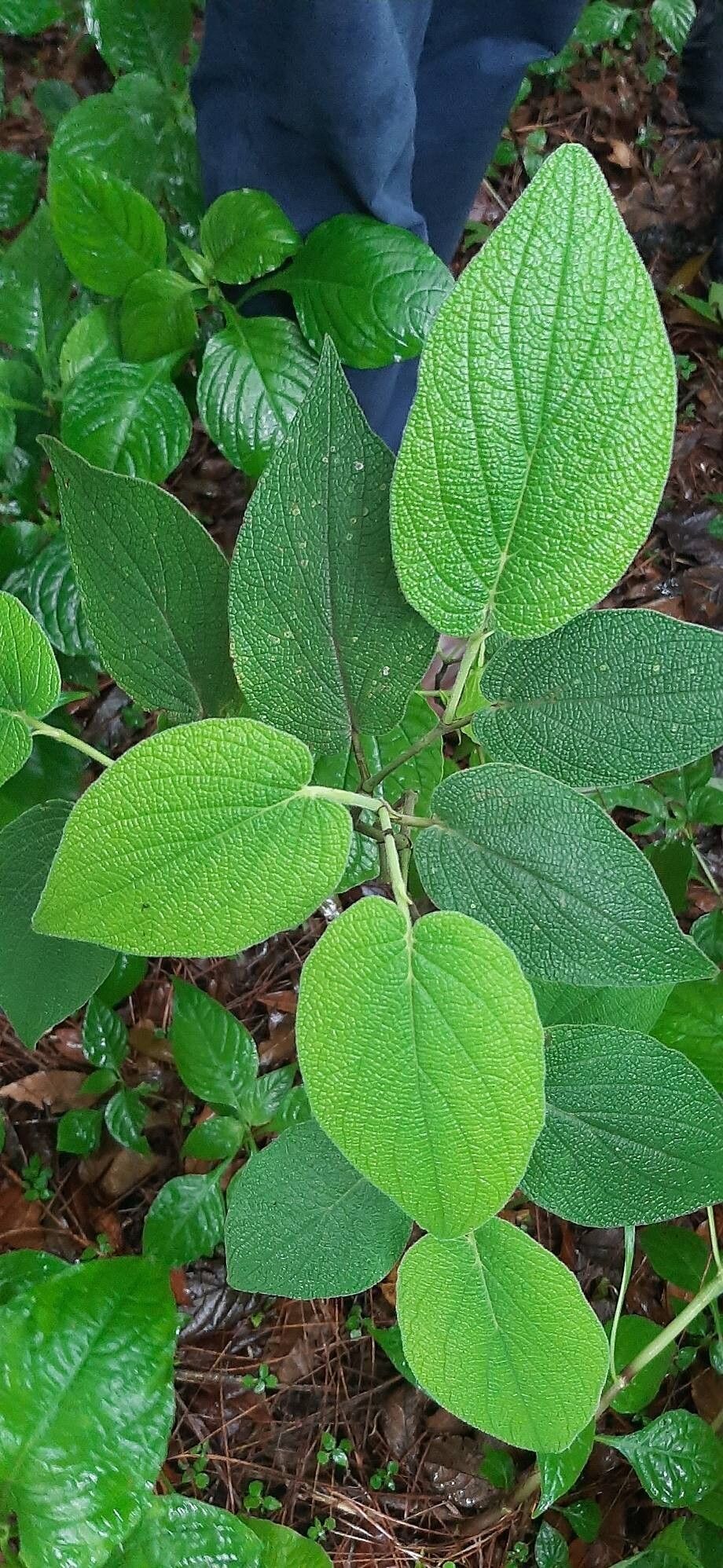
Oh, hello there! Come on in, grab a mug. Today, we’re going to talk about a plant that has truly captured my heart: Piper bredemeyeri. If you’re looking for a bit of lush, tropical flair without too much fuss, this is your gal. Her velvety, dark green leaves with their striking silver veining are just stunning. And the best part? She’s surprisingly rewarding to share!
Introduction
Piper bredemeyeri, sometimes called “Silver Pepper,” is a showstopper in any indoor jungle. I just love the way the light catches those silvery lines. Propagating it myself has brought me so much joy, not just because I get more of these beauties, but because it’s a wonderful way to understand a plant’s life cycle. For beginners? I’d say it’s moderately easy. A little patience goes a long way, but it’s not one of those plants that will make you pull your hair out.
The Best Time to Start
My go-to time for propagating Piper bredemeyeri is definitely spring or early summer. This is when the plant is actively growing and has plenty of energy to throw into making new roots. You’ll see new shoots popping up, and that’s your cue. Wait for a piece that looks healthy and robust, not spindly or old.
Supplies You’ll Need
Here’s a little kit to get your propagation station ready:
- Sharp pruning shears or a clean knife: For making clean cuts.
- Well-draining potting mix: I like a mix of peat moss, perlite, and a bit of orchid bark. You want it airy!
- Small pots or propagation trays: Clean and with drainage holes, of course.
- Rooting hormone (optional but helpful): A powder or gel that encourages root development.
- Plastic bag or clear dome: To create a humid microclimate.
- Watering can with a fine rose: For gentle watering.
Propagation Methods
We’ll focus on stem cuttings because that’s usually the most successful and straightforward method for Piper bredemeyeri.
- Select Your Cutting: Look for a healthy stem that has at least two to three sets of leaves. You want to make your cut just below a leaf node – that’s the little bump where the leaf meets the stem. This is where the magic happens for root formation.
- Prepare the Cutting: Using your sharp shears or knife, make a clean cut. Remove the lower leaves, leaving just the top one or two. This prevents them from rotting in the soil or water.
- Apply Rooting Hormone (if using): Dip the cut end into the rooting hormone, tapping off any excess.
- Plant Your Cutting: Fill your small pot with your well-draining mix. Make a little hole with your finger or a pencil and gently insert the cutting, ensuring the nodes are covered by soil. Firm the soil gently around the stem.
- Create Humidity: Water the soil lightly. Then, cover the pot with a clear plastic bag or a propagation dome. This is crucial for keeping the humidity high, which helps the cutting stay hydrated until it forms roots. I find poking a few small holes in the bag can help with air circulation, preventing mold.
The “Secret Sauce” (Pro Tips)
You know, after years of this, a few little tricks really do make a difference:
- Don’t overcrowd: When you take cuttings, give them a bit of breathing room in their pots. Too many crammed together can lead to competition for resources and can encourage fungal issues.
- Bottom heat is your friend: If you can, place your pots on a gentle heat mat. This little boost from below encourages root growth so much faster and more reliably. It’s like giving those roots a warm hug to get them going.
- Patience is paramount with leaf nodes: I know it’s tempting to keep digging around, but resist the urge! The plant forms roots from those nodes. Trust that they are working away beneath the soil.
Aftercare & Troubleshooting
Once you see new leafy growth emerging from your cutting, that’s a fantastic sign! It means roots are forming. Gradually begin to acclimate your new plant to lower humidity by opening the plastic bag or dome a little more each day over a week. Continue to water as needed, keeping the soil consistently moist but not soggy.
The most common issue you’ll encounter is rot. If your cutting turns mushy and black, it’s usually a sign of too much moisture and not enough air circulation, or sometimes the use of non-sterile tools. Unfortunately, if rot sets in deeply, it’s hard to save. That’s why good drainage and that airy soil mix are so important from the start.
A Encouraging Closing
Propagating plants is like a little bit of magic you can perform in your own home. It’s a wonderfully satisfying way to grow your collection and share the love of plants with friends. Be patient with your Piper bredemeyeri cuttings, trust the process, and most importantly, enjoy the journey of watching new life unfold. Happy growing!
Resource:
https://identify.plantnet.org/k-world-flora/species/Piper%20bredemeyeri%20J.Jacq./data