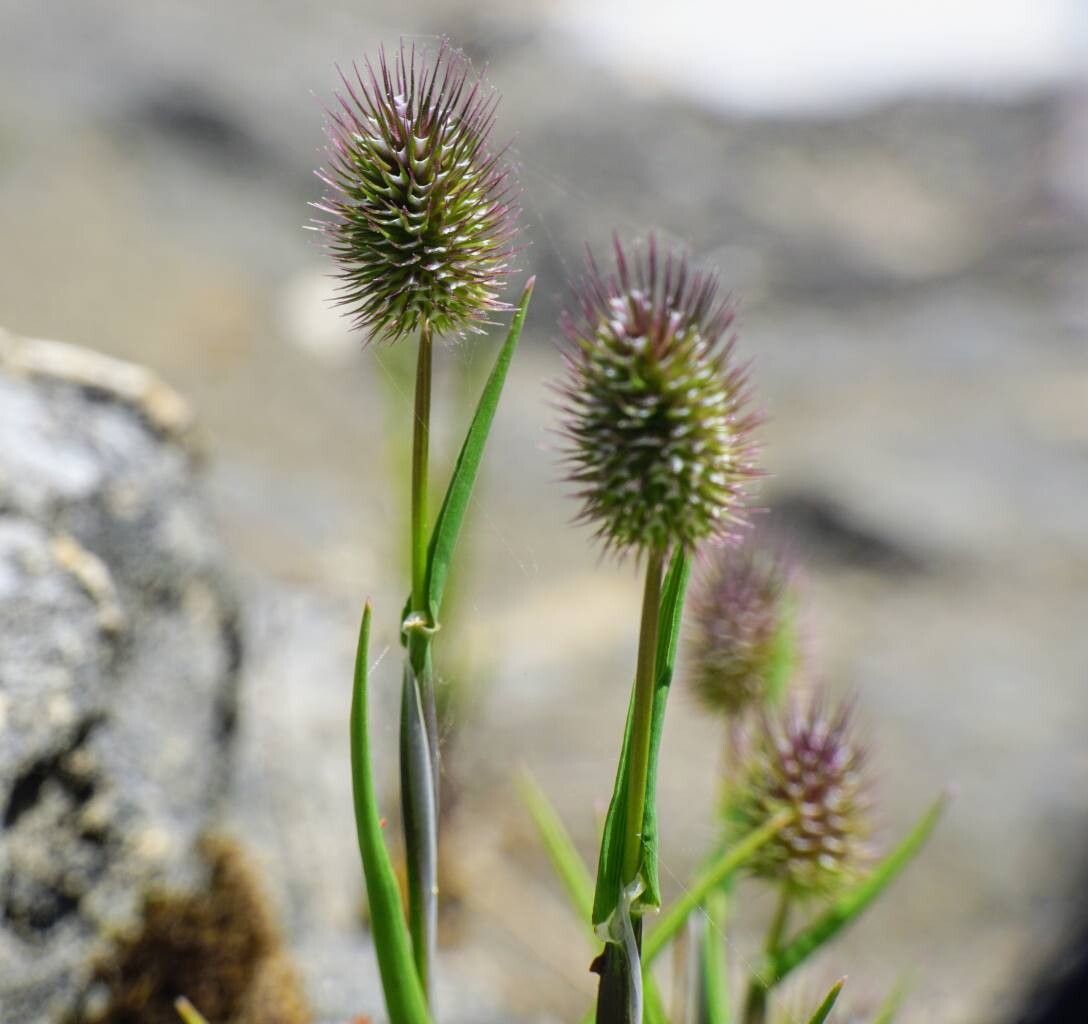
Ah, Phleum echinatum, the Prickly Timothy-grass! If you haven’t met this charming little grass, you’re in for a treat. Its spiky, bottlebrush-like flower heads are simply delightful, bringing a unique texture and movement to any garden bed or container. And let me tell you, coaxing new life from an existing plant – from your own hands – is one of the most satisfying joys a gardener can experience. Many folks think propagating grasses is a bit fiddly, but honestly, Phleum echinatum is quite forgiving. I’d say it’s a perfect plant for beginners looking to dip their toes into the wonderful world of propagation.
The Best Time to Start
For Phleum echinatum, the sweet spot for propagation is generally late spring or early summer. This is when the plant is in its active growing phase, full of vigor and ready to put out new shoots and roots. You’ll have the best success if you can get started just as the days are getting warmer and longer, but before the intense heat of midsummer sets in. Waiting until after it’s finished its initial flush of flowering can also be a good time to prune and take cuttings.
Supplies You’ll Need
Before we dive in, let’s gather our tools. Having everything ready makes the process so much smoother.
- Sharp pruning shears or scissors: Cleanliness is key to prevent disease.
- Small pots or trays: About 4-6 inches deep work well.
- A well-draining potting mix: I like to use a blend of equal parts potting soil, perlite, and coarse sand. This ensures good aeration.
- Rooting hormone (optional but recommended): A powder or gel can give your cuttings a nice boost.
- Watering can with a fine rose: For gentle watering.
- Plastic bags or a propagator: To create a humid environment.
- Labels and a marker: To keep track of what you’ve planted!
Propagation Methods
Phleum echinatum is most successfully propagated through division and stem cuttings. Let’s tackle them one by one.
Division
This is often the easiest method for grasses, especially when they’ve grown into a nice clump.
- Dig up the plant: Gently dig around the base of your Phleum echinatum plant. You want to expose the root ball without damaging it too much. Lift the entire plant from the soil.
- Clean off excess soil: Gently shake away some of the loose soil. You’ll begin to see where the plant naturally divides into smaller sections, each with its own roots and shoots.
- Separate the divisions: Using your hands, or a clean trowel if it’s a bit stubborn, carefully pull or cut the plant into smaller pieces. Each division should have at least a couple of shoots and a good portion of roots. Avoid breaking the root system more than necessary.
- Replant immediately: Pot up your divisions into their new homes using your well-draining potting mix. Water them in gently and place them in a spot with bright, indirect light.
Stem Cuttings
This method is great for creating multiple new plants from a single parent.
- Take cuttings: In late spring or early summer, select healthy, non-flowering stems. Use your clean pruning shears to cut stems about 4-6 inches long, just below a leaf node (where a leaf attaches to the stem).
- Prepare the cuttings: Remove the lower leaves, leaving only a few at the top. This prevents them from rotting when they’re in the soil. If you’re using rooting hormone, dip the cut end into the powder or gel now.
- Plant the cuttings: Fill your small pots with your prepared potting mix. Make a hole in the center of the soil with your finger or a pencil, then insert the cutting. Gently firm the soil around the base of the stem.
- Create humidity: Water the soil thoroughly. Then, cover each pot with a clear plastic bag, securing it around the rim with a rubber band or tape. This creates a miniature greenhouse effect. Place the pots in a warm location with bright, indirect light.
The “Secret Sauce” (Pro Tips)
Here are a few things I’ve learned over the years that can make all the difference:
- Don’t overcrowd your pots when dividing: Give each division a decent amount of space. Cramming them in together can lead to competition for resources and makes them more susceptible to disease.
- Bottom heat is your friend for cuttings: If you have a heating mat designed for seed starting, placing your cutting trays on it can significantly speed up root development. It creates a lovely warm environment for those roots to emerge from.
- Patience with the plastic: When using the plastic bag method for cuttings, resist the urge to take the bag off too often. While you want to check for moisture, too much air circulation can dry out your delicate cuttings and set them back.
Aftercare & Troubleshooting
Once your new plants are established, the real fun begins!
- For Divisions: Keep the soil consistently moist, but not soggy, for the first few weeks. They might look a bit shocky at first, but they should perk up within a week or two. Once you see new growth, you can gradually introduce them to more sun.
- For Cuttings: Keep the soil moist. You’ll know your cuttings have rooted when you see new shoots emerging from the top or when you gently tug on the stem and feel resistance. This can take anywhere from 3-6 weeks. Once rooted, you can gradually acclimatize them to open air by opening the plastic bag for longer periods each day over a week. Then, transplant them into their own small pots.
The most common issue you might encounter is rot. If a cutting turns black and mushy, or if you see mold on the soil surface, it’s usually a sign of too much moisture and not enough air circulation. If this happens, remove the affected cutting immediately and ensure your remaining ones have good drainage and aren’t waterlogged.
A Encouraging Closing
Propagating Phleum echinatum is a wonderfully rewarding journey. Don’t be discouraged if your first attempt isn’t perfect. Gardening is all about learning and observing. Be patient, enjoy the process, and soon you’ll have a garden filled with your own beautiful Prickly Timothy-grass! Happy growing!
Resource:
https://identify.plantnet.org/k-world-flora/species/Phleum%20echinatum%20Host/data