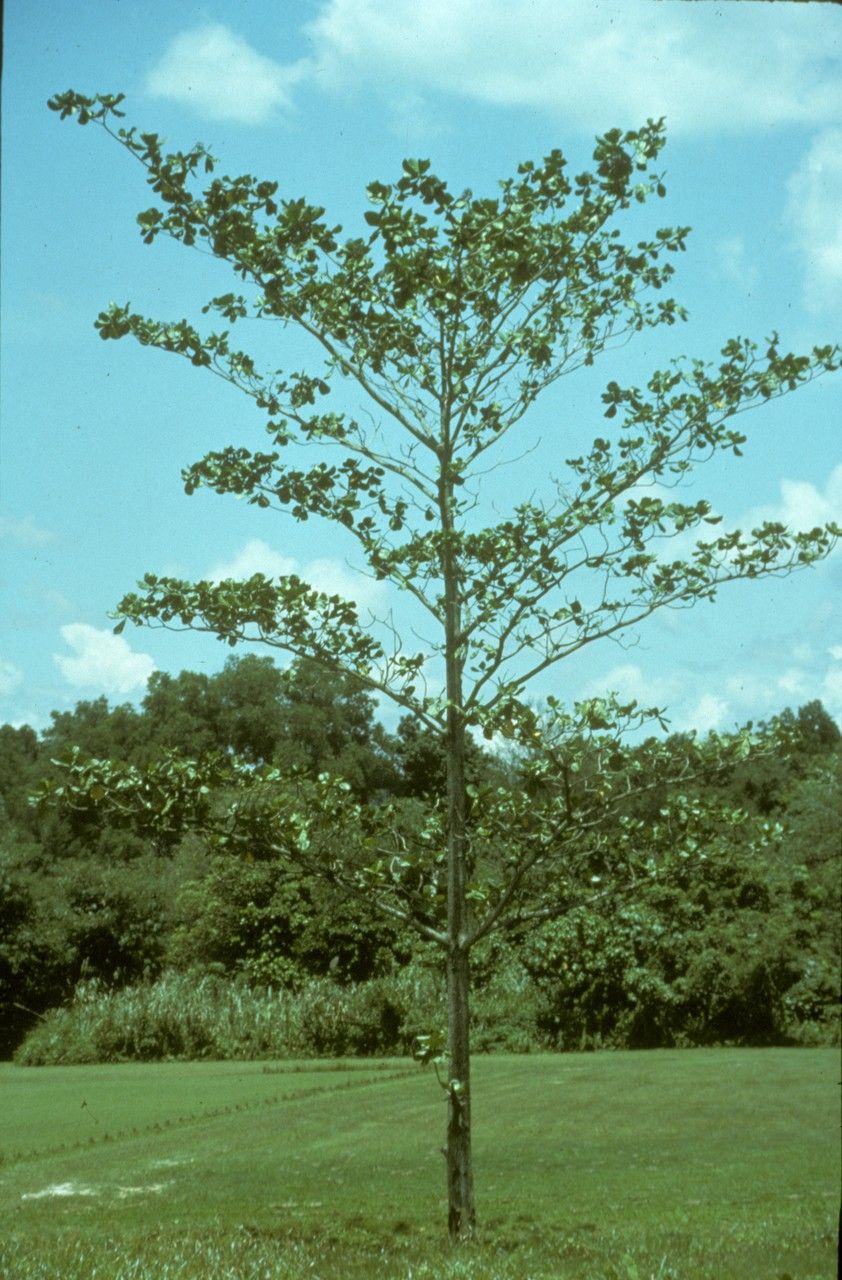
Oh, hello there! It’s so good to have you over for a virtual cup of coffee and a chat about plants. Today, we’re diving into the lovely world of Limahlania crenulata. This isn’t a plant you see every day, and that’s part of its charm, isn’t it? Its unique foliage and delicate blooms can really bring a special touch to any corner of your home or garden. Propagating it yourself? That’s a truly rewarding journey, letting you multiply that beauty and share it with fellow plant enthusiasts. Now, between us, Limahlania crenulata can be a tad fussy, so it might not be the absolute easiest plant for someone just starting out, but with a little care and attention, you’ll find it’s absolutely achievable.
The Best Time to Start
For the highest success rate with Limahlania crenulata, I’ve found that spring and early summer are your best friends. This is when the plant is actively growing and has a good reserve of energy. You want to take cuttings from healthy, vigorous shoots that are neither too soft and new nor too woody. Think of it as taking a piece that’s just right – firm but still pliable.
Supplies You’ll Need
Gathering your supplies beforehand makes the whole process so much smoother. Here’s what I always have on hand:
- Sharp, clean pruning shears or a good quality utility knife: Sterilize them with rubbing alcohol to prevent disease.
- A well-draining potting mix: I often use a blend of peat moss, perlite, and a bit of coarse sand. You can also find specialized rooting mixes.
- Small pots or propagation trays: Make sure they have drainage holes!
- Rooting hormone (optional but recommended): This can really give your cuttings a boost. I prefer the powdered form.
- A spray bottle: For misting to keep humidity up.
- Plastic bags or a propagation dome: To create a mini-greenhouse effect.
- Labels and a marker: To keep track of what you’ve propagated and when.
Propagation Methods
Let’s get our hands dirty! Here are the methods that have worked best for me with Limahlania crenulata.
Stem Cuttings
This is my go-to method. It’s reliable and doesn’t require much space.
- Select your cutting: Find a healthy stem and make a clean cut just below a leaf node (where a leaf attaches to the stem). Aim for cuttings that are about 4-6 inches long. Remove the lower leaves, leaving just a few at the top.
- Prepare the cutting: If you’re using rooting hormone, dip the cut end into it, tapping off any excess.
- Planting: Fill your small pots with your prepared potting mix. Make a hole large enough for the cutting to fit without scraping off the rooting hormone. Gently insert the cutting into the hole and firm the soil around it.
- Watering: Water the soil thoroughly but gently. You don’t want to disturb the cutting too much.
- Create a humid environment: Place a plastic bag over the pot, propping it up with a stick so it doesn’t touch the leaves. Alternatively, use a propagation dome.
Water Propagation (with a caveat!)
While some plants root beautifully in water, Limahlania crenulata can be a little tricky with this method. If you choose to try it, be very mindful of this next point.
- Prepare your cutting: Similar to stem cuttings, select a healthy stem and make a clean cut below a leaf node. Remove all leaves except for the top few.
- Place in water: Put the cutting in a clean jar or vase of distilled or rainwater.
- Monitor closely: This is where it gets delicate. You absolutely must not let the leaves touch the water. They will rot very quickly, and that will spell doom for your cutting. Change the water every few days to keep it fresh. Once you see tiny root nubs forming, it’s time to gently transplant it into potting mix.
The “Secret Sauce” (Pro Tips)
These are little things I’ve learned over the years that can make a big difference.
- Bottom Heat is Your Friend: Limahlania crenulata roots are more inclined to grow when they are warm. Placing your pots or trays on a heating mat designed for plants can significantly speed up root development and increase your success rate.
- Be Patient with the Leaves: When you’re taking cuttings, don’t be tempted to strip all the leaves. The leaves are essential for photosynthesis, which fuels root growth. Just remove the ones that would sit below the soil or water level, and keep the remaining ones intact. Excessively long stems without enough leaves can also struggle.
- The Gentle Mist: While you want to keep humidity high, avoid waterlogged leaves. A gentle misting with your spray bottle in the morning is usually sufficient to keep the humidity up without encouraging fungal issues.
Aftercare & Troubleshooting
Once you see signs of roots – usually a little tug on the cutting without it pulling out easily, or even tiny roots peeking out the drainage holes – your job isn’t quite done.
- Gradually Acclimate: If you’ve been using a plastic bag or dome, slowly start to increase ventilation over a few days. This helps the new plant adjust to lower humidity.
- Repotting: Once you have a good root system, you can transplant your new Limahlania crenulata into a slightly larger pot with fresh, well-draining soil.
- Watch for Rot: The biggest killer of cuttings is overwatering leading to rot. If you see mushy stems, yellowing leaves that fall off easily, or a blackening base, it’s likely rot. You may need to discard the affected cutting and try again. Ensure your soil Drains well and avoid keeping it constantly soggy.
Propagating plants is an art, and it’s also a science. Don’t be discouraged if your first attempt isn’t perfect. Each plant, and each cutting, is a learning experience. Enjoy the process, celebrate every little root that emerges, and soon you’ll have a small army of your own Limahlania crenulata to admire and share. Happy propagating!
Resource: