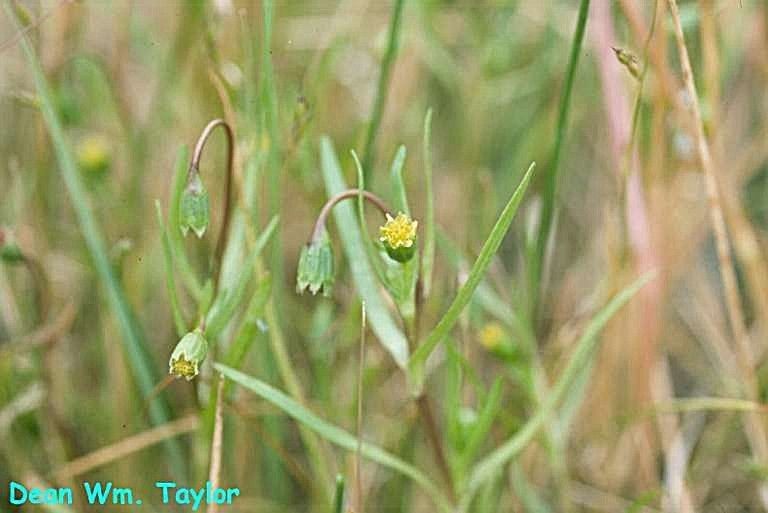
Oh, Lasthenia glaberrima! What a delight to talk about this cheerful little California native. It’s those sunny yellow daisies, like a thousand bright smiles in the garden, that draw you in, isn’t it? And the best part? Bringing more of that sunshine into your own patch is surprisingly straightforward. If you’re new to the plant propagation game, you’ll find Lasthenia glaberrima to be a wonderfully encouraging friend. It’s quite forgiving, which is always a bonus when you’re learning.
The Best Time to Start
For these cheerful bloomers, I’ve found the sweet spot for propagation is spring, just as they’re getting into their full growth spurt. Aim for after the last frost has passed and the days are starting to warm up. You want active growth, not a plant that’s thinking about slowing down for summer or still a bit stressed from winter. Taking cuttings or sowing seeds when the plant is brimming with energy really gives your new babies the best head start.
Supplies You’ll Need
Here’s what you’ll want to have on hand to make the process smooth sailing:
- Sharp, clean pruning shears or a sharp knife: For making clean cuts. Sterilize them with rubbing alcohol between cuts!
- Rooting hormone (optional but helpful): Particularly for stem cuttings.
- Well-draining potting mix: A mix of peat moss, perlite, and a bit of compost works wonders. You can also find excellent seed starting mixes.
- Small pots or seed trays: With drainage holes, of course.
- Watering can with a fine rose or a spray bottle: To water gently.
- Plastic bags or a propagator: To create a humid environment for cuttings.
- Labels: To remember what you planted and when!
Propagation Methods
Lasthenia glaberrima is quite obliging, and you can successfully propagate it through a couple of easy methods.
1. From Seed:
This is often the simplest way to get started.
- Collect your seeds: Once the flower heads have gone to seed, carefully collect the tiny seeds. Let them dry thoroughly indoors for a few days.
- Prepare your seed trays: Fill them with your seed starting mix.
- Sow the seeds: Scatter the seeds thinly over the surface of the soil and gently press them in. They don’t need to be buried deeply, just lightly covered.
- Water gently: Use a fine spray to moisten the soil.
- Provide warmth and light: Keep the trays in a bright spot, out of direct sun. A temperature of around 65-70°F (18-21°C) is ideal.
- Patience! Germination can take anywhere from 1 to 3 weeks. You’ll see tiny green shoots emerge.
2. From Stem Cuttings:
This is a great way to get a clone of a particularly lovely plant you already have.
- Take stem cuttings: In spring, select healthy, non-flowering stems. Using your clean shears, cut pieces that are 3-4 inches long. Make the cut just below a leaf node (where a leaf attaches to the stem).
- Prepare the cuttings: Gently remove the lower leaves from the bottom half of the cutting.
- Apply rooting hormone (optional): Dip the cut end into rooting hormone, tapping off any excess.
- Pot up your cuttings: Fill small pots with your well-draining potting mix. Make a small hole with a pencil or your finger and insert the cut end of the stem. Firm the soil gently around the base.
- Water thoroughly: Water until the soil is moist.
- Create humidity: Cover the pot loosely with a plastic bag or place it in a propagator. This helps keep the moisture in.
- Provide light and warmth: Place the pots in a bright location, but out of hot, direct sun. Again, that 65-70°F (18-21°C) range is good.
- Check for roots: After 2-4 weeks, you can gently tug on a cutting. If there’s resistance, you’ve got roots!
The “Secret Sauce” (Pro Tips)
Here are a couple of things I’ve learned over the years that really seem to give propagating Lasthenia glaberrima a little boost:
- For stem cuttings, I like to use a very gritty mix for rooting. Something like fifty-fifty perlite and peat moss is excellent. It drains so well that it discourages rot, which is the biggest enemy of a fresh cutting.
- When sowing seeds, I’ve found that surface sowing and then giving them a good misting right before I pop them into a propagator really encourages quick germination. It mimics that spring shower feel, I think!
Aftercare & Troubleshooting
Once your little Lasthenia glaberrimas have rooted (either from seed or cuttings), they’re ready for a bit more attention, but still gentle!
- Watering: Continue to water them regularly, but allow the top inch of soil to dry out between waterings. You don’t want them to sit in soggy soil.
- Light: Gradually introduce them to more light. They’ll crave full sun as they grow.
- Potting up: Once they have a good root system and a few sets of true leaves, they can be transplanted into slightly larger pots or into their final garden spot.
- Troubleshooting: The most common issue you’ll encounter is rot. If your cuttings turn mushy or your seedlings look limp and yellow, it’s usually a sign of too much moisture or poor drainage. If you see this, try to increase airflow and let the soil dry out more before watering again. Sometimes, using a bit of diluted fungicide can help ward off fungal issues, but often, prevention through good watering habits is best.
Don’t get discouraged if not every single attempt is a roaring success! Gardening is all about learning and adapting. Each little plant you nurture is a victory. Be patient with your new sprouts, enjoy the process of watching them grow, and soon you’ll have a cheerful abundance of those sunny yellow daisies to brighten your world. Happy gardening!
Resource:
https://identify.plantnet.org/k-world-flora/species/Lasthenia%20glaberrima%20DC./data