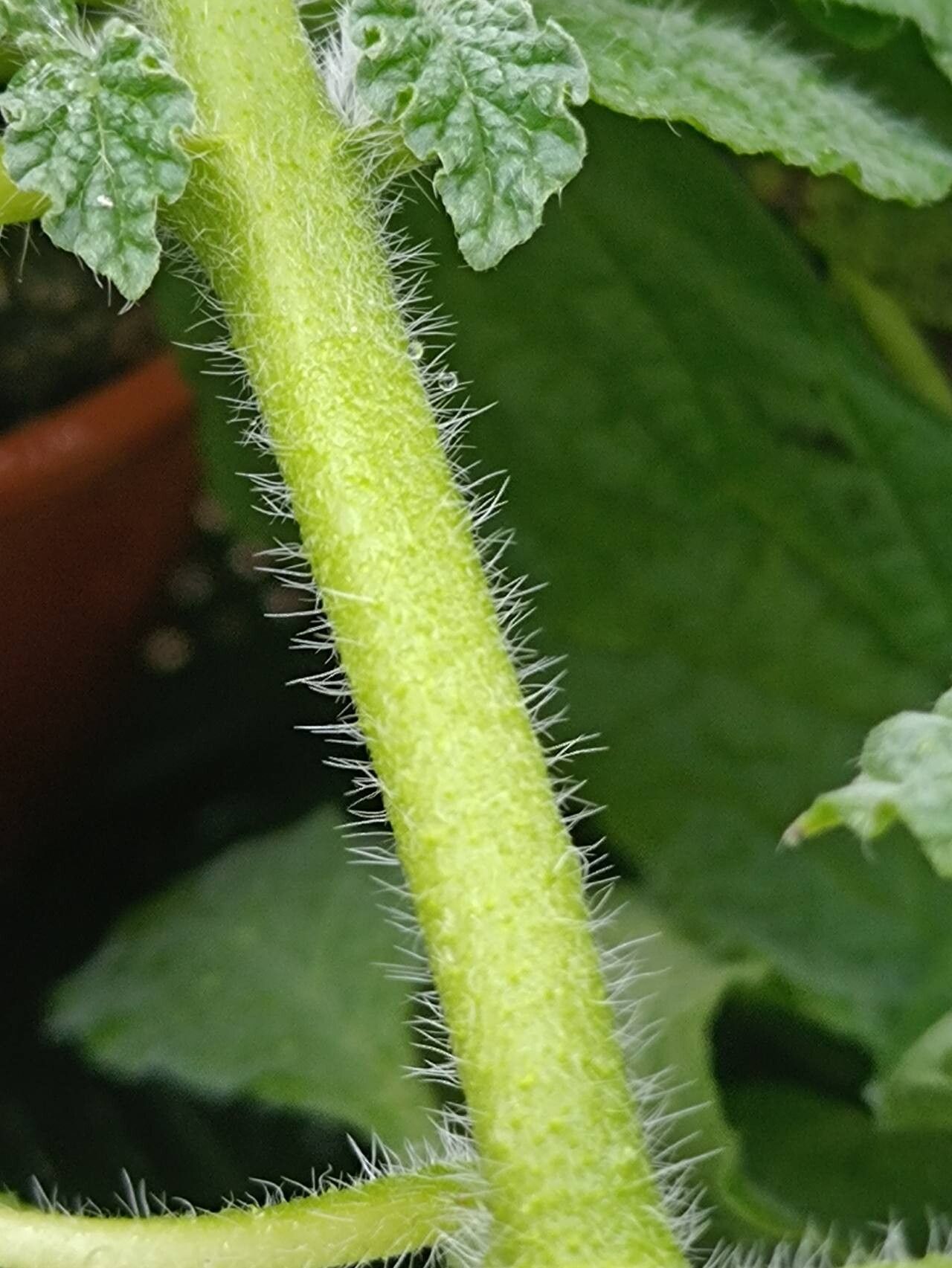
Hello, fellow garden enthusiasts! It’s so lovely to have you here. Today, we’re diving into the wonderfully fragrant world of Heliotropium indicum, often called Indian heliotrope or Indian turnsole. Its clusters of sweet, vanilla-scented purple blooms are such a delight in the garden, attracting bees and butterflies with their irresistible perfume. And the best part? You can easily fill your garden with these beauties by propagating them yourself! If you’re new to the gardening game, don’t worry. Heliotrope is quite forgiving, making it a fantastic plant for beginners to try their hand at propagation.
The Best Time to Start
For the highest success rate, start propagating your Heliotropium indicum in late spring or early summer. This is when the plant is actively growing, and the warmer temperatures provide the ideal environment for cuttings to root. You can also take cuttings in early autumn if you’re in a warmer climate and want to extend your blooming season or get a head start on next year.
Supplies You’ll Need
Here’s what you’ll want to have ready:
- Sharp pruning shears or a clean knife: For taking clean cuts.
- Small pots or seed trays: With drainage holes, of course!
- Rooting hormone (optional but recommended): A powder or gel that encourages root development.
- Light, well-draining potting mix: A good blend is half peat moss or coco coir and half perlite or coarse sand.
- Watering can or spray bottle: For gentle watering.
- (Optional) A clear plastic bag or propagation dome: To create a humid environment.
- (Optional) A heat mat: For bottom warmth.
Propagation Methods
There are a couple of straightforward ways to get more Heliotropium from your existing plants.
Stem Cuttings: My Go-To Method
This is my favorite because it’s so reliable.
- Take Cuttings: Find a healthy, non-flowering stem on your established Heliotrope. Using your sharp pruning shears or knife, cut a piece about 4-6 inches long. Make the cut just below a leaf node (where a leaf attaches to the stem).
- Prepare the Cuttings: Remove the lower leaves, leaving just a couple at the top. This prevents them from rotting in the soil and directs the plant’s energy into root formation.
- Apply Rooting Hormone: If you’re using rooting hormone, dip the cut end of the stem into the powder or gel. Tap off any excess.
- Plant Your Cuttings: Fill your small pots with the moistened potting mix. Make a small hole in the center with your finger or a pencil. Gently insert the cut end of the stem into the hole, ensuring at least one leaf node is below the soil surface. Firm the soil around the stem.
- Water Gently: Water thoroughly but gently until you see water drain from the bottom.
Water Propagation: A Visual Treat
This method is so satisfying because you can watch the roots grow!
- Prepare Cuttings: Follow steps 1 and 2 from the stem cutting method – take 4-6 inch cuttings and remove the lower leaves.
- Place in Water: Find a clean jar or glass and fill it with fresh water. Place your prepared cuttings inside, ensuring the leaf nodes where you removed the leaves are submerged. Crucially, make sure no leaves are touching the water’s surface.
- Find a Spot: Place the jar in a bright location out of direct sunlight.
- Change Water Regularly: Change the water every few days to keep it fresh and prevent bacterial growth. You’ll start seeing tiny white roots emerge in a week or two.
- Potting Up: Once the roots are about an inch long, carefully transplant them into your prepared potting mix as described in step 4 of the stem cutting method.
The “Secret Sauce” (Pro Tips)
Here are a few little tricks that have always helped me:
- Don’t Let Leaves Touch the Water: I cannot stress this enough for water propagation! Any leaf submerged will quickly rot and can take your entire cutting down with it. It’s like a little death trap for your new plant.
- Bottom Heat is Your Friend: Especially if you’re trying this in slightly cooler weather, placing your pots on a gentle heat mat can significantly speed up root development. It mimics the warmth of the soil in summertime and gives those roots a real boost. I find it makes a noticeable difference with many woody cuttings.
- A Humid Dome is a Game Changer: Covering your pots with a clear plastic bag (supported by stakes so it doesn’t touch the leaves!) or a propagation dome creates a mini-greenhouse effect. This keeps the humidity high, which prevents the cuttings from drying out before they’ve had a chance to develop roots. Just remember to open it for a few minutes each day to allow for air circulation and prevent mold.
Aftercare & Troubleshooting
Once you see new leaf growth or gentle tugging resistance on your cuttings, it’s a good sign that roots have formed.
- Gradual Acclimation: If you used a humidity dome, slowly begin to acclimate your new plants to drier air by lifting the dome for longer periods over a week.
- Continued Watering: Keep the soil consistently moist but not waterlogged. Water when the top inch of soil feels dry to the touch.
- Bright Light: Continue to provide bright, indirect light. As they get stronger, you can slowly introduce them to more direct sunlight.
- Troubleshooting Rot: The most common issue is rot, which often happens from overwatering or poor drainage. If you see stems turning black and mushy, or if your cuttings simply wilt despite being watered, rot is likely the culprit. Discard any affected cuttings and ensure your potting mix is well-draining and you’re not overwatering. Sometimes, it’s a matter of too much humidity without enough air flow.
A Final Thought
Propagating Heliotropium indicum is a rewarding journey. It’s a wonderful way to connect with your plants and to share their beauty with others. Be patient, trust the process, and enjoy the magic of watching new life emerge. Happy gardening!
Resource:
https://identify.plantnet.org/k-world-flora/species/Heliotropium%20indicum%20L./data