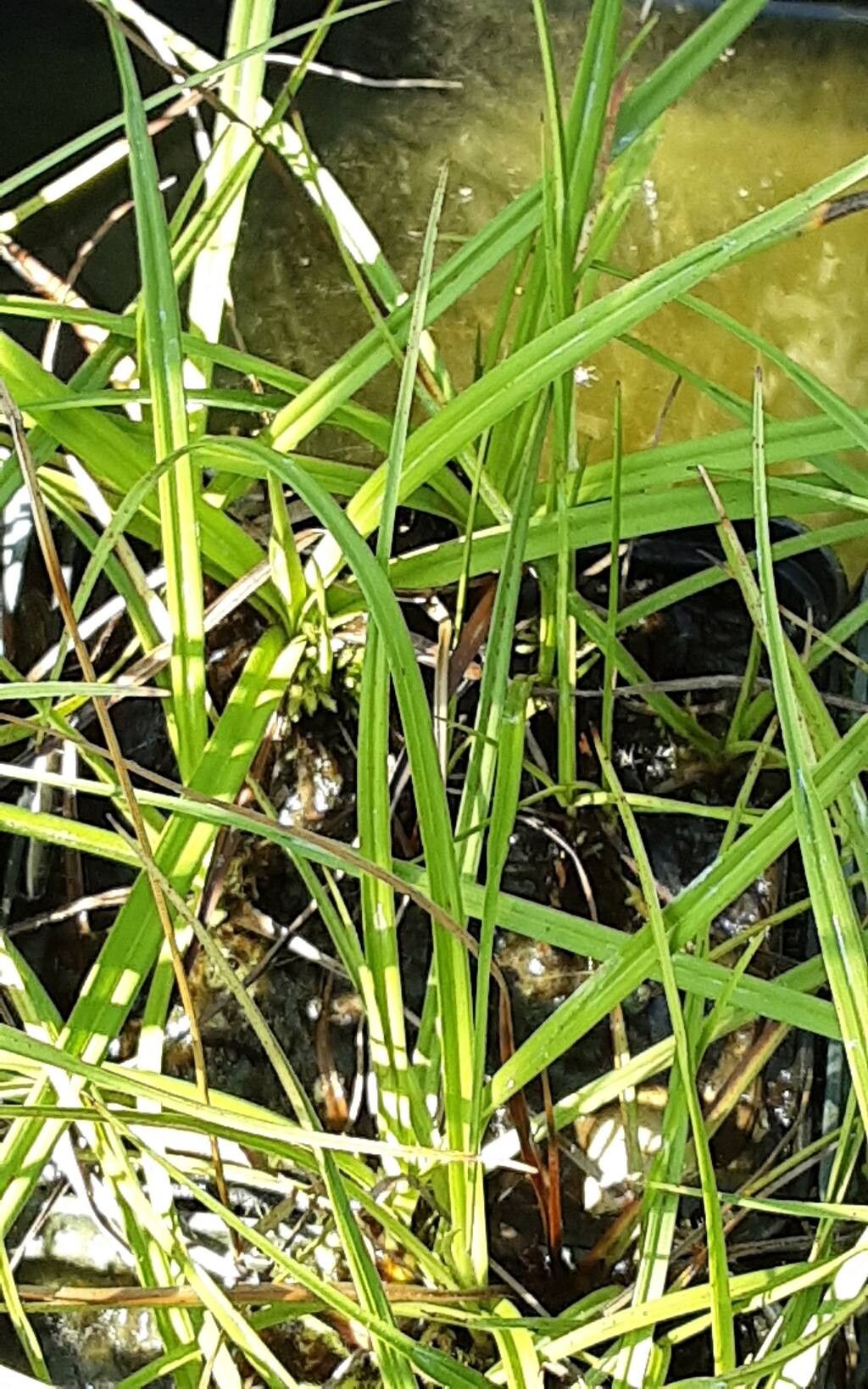
Oh, hello there! I’m so glad you’ve stopped by. Today, we’re going to delve into the wonderful world of Eriophorum latifolium, or as many of us affectionately call it, Broadleaf Cottongrass. If you’ve ever seen these fluffy white seed heads dancing in the breeze, you know their charm. They bring such a unique, wispy texture to any garden, evoking marshlands and wild meadows. And the joy of creating more of these beauties yourself? Truly something special. Now, I’ll be honest, while not the trickiest plant out there, Eriophorum latifolium can be a little bit particular. It’s not quite a beginner’s “stick it in the ground and it grows” kind of plant, but with a bit of care and understanding, you’ll be well on your way.
The Best Time to Start
My absolute favorite time to get started with propagating Eriophorum latifolium is early spring. As the soil begins to warm up and new growth is just pushing through, the plant has the most energy to dedicate to establishing new roots. If you’re looking at division, waiting until after it has finished flowering, say late spring or early summer, is also a good bet. You’ll see the attractive seed heads at their peak, and the plant will still have plenty of growing season ahead to recover.
Supplies You’ll Need
To set you up for success, here’s a little rundown of what you might want to have on hand:
- Sharp, clean pruning shears or a sharp knife: For making clean cuts.
- Well-draining potting mix: A blend of peat moss, perlite, and a little compost works wonders. Aim for something that holds moisture but doesn’t get waterlogged.
- Small pots or trays: Clean ones are a must to prevent disease.
- Watering can with a fine rose head: For gentle watering.
- Rooting hormone powder or gel (optional but helpful): Especially if you’re doing cuttings.
- Labels and a permanent marker: Trust me, you’ll thank yourself later!
- A trowel: For dividing larger clumps.
Propagation Methods
Eriophorum latifolium is most successfully propagated through division. While you might be tempted by cuttings, division is far more reliable for this particular sedge.
Division: The Most Reliable Way
This method involves carefully separating a mature plant into smaller sections, each with its own root system.
- Prepare your divisions: Gently dig up your Eriophorum latifolium plant. You don’t need to yank it out aggressively. Loosen the soil around the edges with your trowel and lift the whole clump.
- Inspect the root ball: If the clump is dense, you might need to gently tease apart the roots with your fingers. If it’s very tight, you can use two forks, backs together, to help separate the sections. Or, if it’s a larger plant, you can use a sharp knife or even a small spade to cut through the root ball. Aim for sections that have a good amount of healthy roots and a few new shoots or buds.
- Potting up your divisions: Plant each division into its own pot filled with your well-draining potting mix. Make sure the crown of the plant (where the shoots emerge from the roots) is at the same level it was in the original pot.
- Water gently: Water thoroughly after planting, ensuring the potting mix is evenly moist.
The “Secret Sauce” (Pro Tips)
Over the years, I’ve learned a few things that make a real difference:
- Mimic their natural habitat: Eriophorum latifolium loves moisture, but hate soggy feet. Think of a damp meadow, not a swamp. Your potting mix should reflect this – consistently moist but never waterlogged.
- Give them a good drink after division: Immediately after you’ve repotted your divisions, give them a really good soak. This helps settle the soil and reduce any transplant shock.
- Don’t be afraid of the knife: For division, sometimes a clean, sharp knife is your best friend. It ensures cleaner cuts and less damage to the delicate root system, which means quicker recovery for your new plants.
Aftercare & Troubleshooting
Once your divisions are potted up, keep them in a bright spot, but out of direct, scorching sun for the first week or two. This helps them recover without drying out. Water them regularly, keeping the soil consistently moist but not waterlogged. You’ll know they’re happy when you see new shoots emerging.
The most common issue you might encounter is rot, indicated by mushy, discolored roots or wilting shoots. This is usually a sign of overwatering or poor drainage. If you see this, gently lift the plant, trim away any rotted parts with clean shears, and repot into fresh, drier potting mix. Good air circulation around your plants can also help prevent fungal issues.
A Warm Encouragement
Propagating plants is such a rewarding journey. It’s a chance to learn your plant’s needs and to nurture new life. Be patient with your Eriophorum latifolium divisions. They might seem a little quiet at first, but with a bit of TLC, they’ll soon be putting on a show. Enjoy the process, and happy gardening!
Resource:
https://identify.plantnet.org/k-world-flora/species/Eriophorum%20latifolium%20Hoppe/data