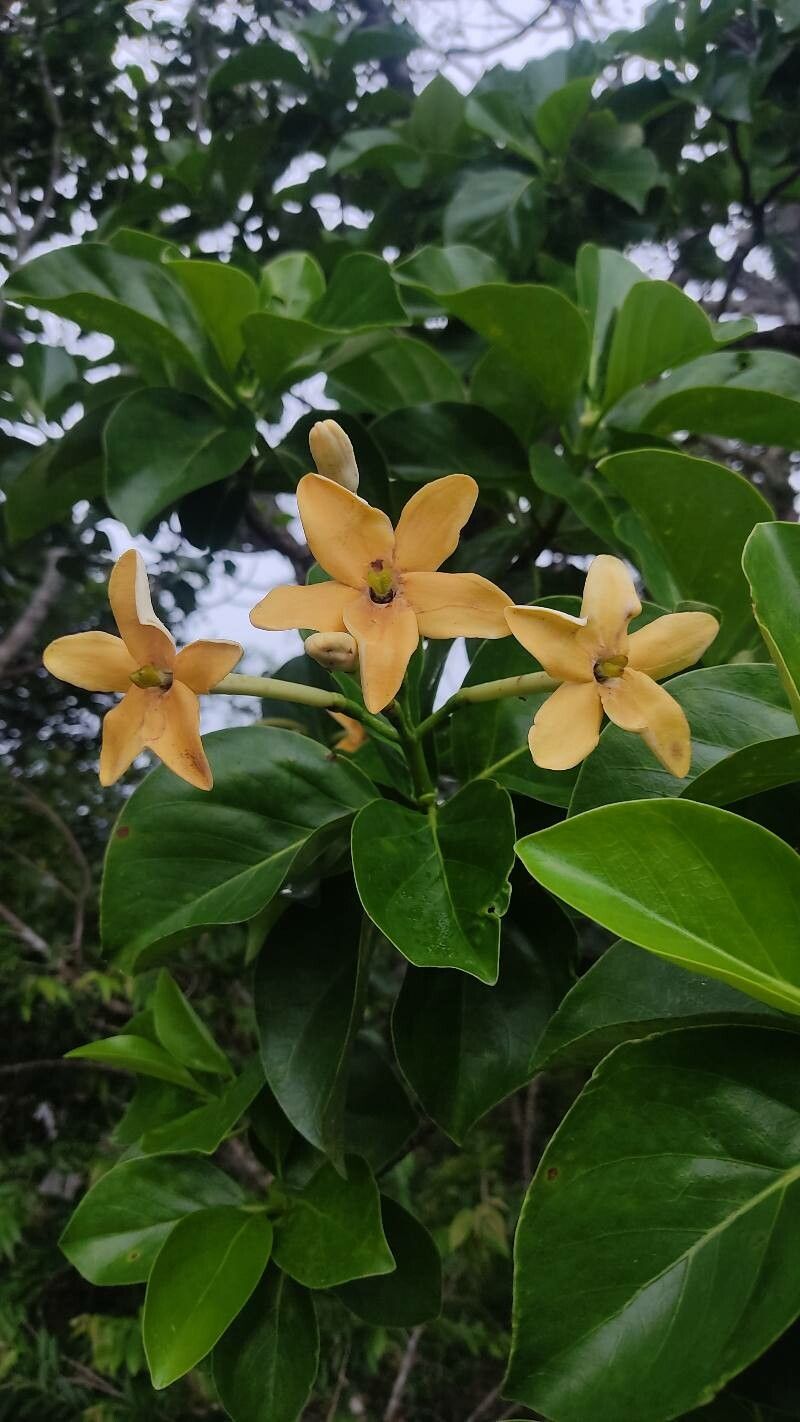
Hello there, fellow plant lovers! Today, we’re diving into the wonderful world of propagating Cosmibuena grandiflora. If you’ve ever seen this stunner in bloom, with its elegant white or pale pink flowers that practically glow and a scent that’s just heavenly, you know why I’m so excited about it. Creating more of these beauties from your existing plants is incredibly satisfying. Now, are they a walk in the park for absolute beginners? Honestly, they can be a little bit of a finicky plant to start with, but with a little care and attention, you’ll be rewarded with a whole new gang of blooming treasures.
The Best Time to Start
For the highest success rate with Cosmibuena grandiflora, I find late spring to early summer is your golden window. This is when the plant is actively growing and has plenty of energy to put into developing new roots. You want to choose stems that are firm and mature, but not yet woody. Think of them as being in their prime – not too soft and floppy, and not like a stiff old branch.
Supplies You’ll Need
Gathering your tools makes the whole process smoother. Here’s what I usually have on hand:
- Sharp, clean pruning shears or a knife: Essential for making clean cuts that heal well.
- Rooting hormone (optional, but recommended): A little boost can work wonders. Look for one with IBA.
- Well-draining potting mix: A blend of perlite, peat moss, and a bit of compost is my go-to. You can also buy specific succulent or cactus mixes.
- Small pots or trays: Make sure they have drainage holes!
- Plastic bags or a propagator: To create a humid environment.
- Watering can with a fine rose: Gentle watering is key.
- Labels and a marker: So you don’t forget what you’ve propagated!
Propagation Methods
I’ve found the most reliable way to get new Cosmibuena grandiflora plants is through stem cuttings.
- Take Your Cuttings: On a healthy, actively growing stem, make a clean cut just below a leaf node. A leaf node is where a leaf attaches to the stem. You’re looking for cuttings about 4-6 inches long. Remove the lower leaves from the stem, leaving just a couple at the top.
- Prepare for Rooting: If you’re using rooting hormone, dip the cut end of your stem into it. Tap off any excess.
- Plant Your Cuttings: Fill your small pots with your well-draining potting mix. Make a small hole with your finger or a pencil, and gently insert the cut end of the stem. Firm the soil gently around the base to ensure good contact.
- Create a Humid Environment: Water the soil lightly. Then, cover the pot with a plastic bag or place it in a propagator. You want to create a mini greenhouse effect to keep the humidity high. Just make sure the leaves aren’t touching the plastic.
The “Secret Sauce” (Pro Tips)
Here are a couple of tricks I’ve learned over the years that can really up your propagation game:
- Bottom Heat is Your Friend: Pop your pots on a gentle heat mat. This warmth encourages root development from below, which is a real game-changer, especially if your house is a little cooler. Just don’t overheat, a gentle warmth is what you’re after.
- The “Callousing” Trick: Before I pot up my cuttings, I sometimes let them sit for a day or two in a dry, airy spot after taking them. This allows the cut end to form a bit of a ‘callous,’ which can help prevent rot and encourage root growth. It’s like giving the cutting a chance to seal its wound before hitting the soil.
- Don’t Be Afraid to Experiment: While stem cuttings are my preferred method, I’ve seen some gardeners have success with water propagation for Cosmibuena grandiflora. If you try it, make sure only the stem is submerged, not the leaves, to prevent rot.
Aftercare & Troubleshooting
Once your cuttings are planted, keep them in bright, indirect light. The soil should be kept consistently moist but not soggy. This is crucial. Overwatering is the most common culprit for failure. You can gently tug on a cutting after a few weeks – if you feel resistance, you likely have roots!
The most common sign of trouble is rot, which manifests as a mushy, blackening stem. If you see this, unfortunately, that cutting is likely lost. It’s usually a sign of too much moisture and not enough air circulation. Don’t be discouraged though; just pull out the rotten cutting and try again with a few more.
A Little Encouragement
Propagating Cosmibuena grandiflora is a journey, and it’s all about patience. Some cuttings will take off, while others might be a little more stubborn. Cherish the process, learn from each attempt, and soon enough, you’ll be surrounded by the delightful perfume of your very own homegrown Cosmibuena grandiflora plants. Happy propagating!
Resource: