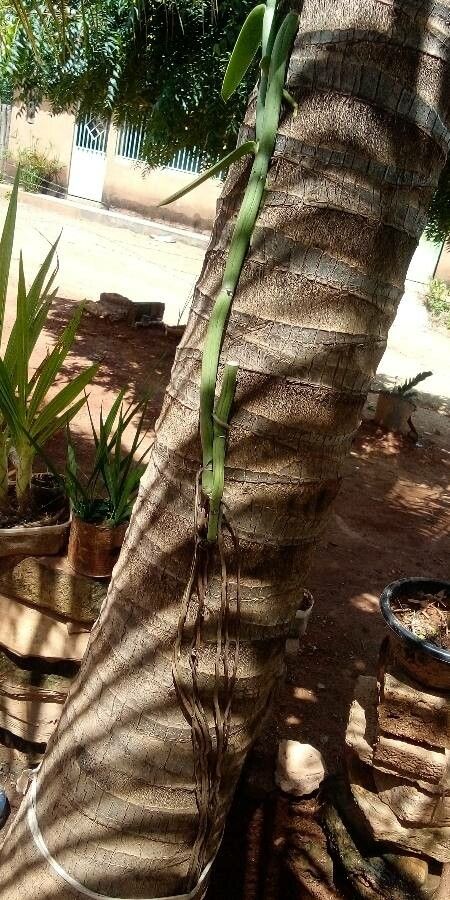
Oh, hello there, fellow plant enthusiast! It’s so lovely to have you join me. Today, we’re diving into something truly special: Vanilla edwallii. If you’ve ever admired the graceful, trailing vines and delicate blooms of this vanilla orchid, you’re not alone. And the best part? You can bring that beauty into your own home, or even share it with friends, by propagating it yourself!
Why Propagate Vanilla edwallii?
There’s a special kind of magic in watching a tiny cutting transform into a thriving plant. It’s a testament to nature’s resilience and your own nurturing touch. Plus, Vanilla edwallii has such a charming, almost wild feel to it with its aerial roots and beautiful, ephemeral flowers. It’s not the most common vanilla, which makes having your own propagated plant feel even more unique. For beginners, I’d say Vanilla edwallii is moderately easy to propagate, especially with a few key tricks up your sleeve. It’s a rewarding project that doesn’t require a degree in botany!
The Best Time to Start
Spring is definitely your best bet for propagating Vanilla edwallii. Think of it as giving your new babies the longest possible growing season to establish themselves. Once the days start getting longer and the temperatures are warming up, your parent plant will be at its most vigorous, and the cuttings will be eager to root. Aim for late spring or early summer when active growth is in full swing.
Supplies You’ll Need
Gathering your tools before you start makes the whole process so much smoother. Here’s what I usually have on hand:
- Sharp Pruning Shears or a Clean Knife: Crucial for making clean cuts.
- Sterilizing Solution: Rubbing alcohol or a bleach solution to disinfect your tools.
- Potting Mix: I love a chunky, well-draining mix. A good blend is orchid bark, perlite, and a bit of coco coir.
- Small Pots or Seed Trays: Something that fits your cuttings comfortably. Make sure they have drainage holes!
- Rooting Hormone (Optional but Recommended): This can give your cuttings a helpful boost. Look for one with IBA.
- Clear Plastic Bags or a Propagator: To create a humid environment.
- Watering Can with a Fine Rose or a Spray Bottle: For gentle watering.
Propagation Methods
Let’s get our hands dirty! The easiest and most successful method for Vanilla edwallii is stem cuttings.
Stem Cuttings:
- Find a Healthy Stem: Look for a mature, healthy stem on your parent plant. You want a section that has at least two to three nodes. Nodes are the little bumps where leaves or aerial roots emerge.
- Make the Cut: Using your sterilized pruning shears or knife, make a clean cut just below a node. This is where roots are most likely to form. Remove any leaves that might be below the lowest node.
- Apply Rooting Hormone (Optional): If you’re using rooting hormone, lightly dip the cut end into the powder or gel. Tap off any excess.
- Potting Up: Fill your small pot with your prepared, well-draining potting mix. Make a small hole in the center.
- Plant the Cutting: Gently insert the cut end of your stem cutting into the hole, ensuring that at least one node is buried under the surface of the soil. The aerial roots that might be present can also help with rooting!
- Water Gently: Water the soil lightly to settle it around the cutting. Avoid waterlogging.
- Create a Humid Environment: This is key! Cover the pot with a clear plastic bag (making sure it doesn’t touch the leaves) or place it in a propagator. This traps moisture and creates the humid microclimate that Vanilla edwallii loves.
The “Secret Sauce” (Pro Tips)
Here are a couple of little tricks I’ve learned over the years that can really make a difference:
- Callus Formation is Your Friend: Before you even pot up your cutting, let the cut end air dry for a day or two. This allows a callus to form, which helps prevent rot. I know it feels counterintuitive, but trust me on this!
- The Power of the Aerial Root: If your stem cutting has an aerial root already developing, don’t trim it off! Gently try to guide it into the potting medium. These can be a fantastic head start for rooting.
- Bottom Heat is a Game Changer: If you have a bit of extra equipment, placing your potted cuttings on a heat mat can significantly speed up the rooting process. Orchids, including vanilla, love that warmth from below.
Aftercare & Troubleshooting
Once your cutting is potted and in its humid haven, keep it in a spot with bright, indirect light. Avoid direct sun, which can scorch the leaves of a vulnerable cutting.
Check the moisture level regularly. You want the soil to be consistently moist but not soggy. If the leaves start to look a bit limp, it’s a sign it might need more humidity or a light watering.
The most common issue you’ll encounter is rot. If you notice the stem turning black and mushy, it’s usually a sign of too much moisture and not enough ventilation. Don’t be discouraged; it happens to the best of us. Sometimes, if you catch it early, you can try cutting away the rotten part and repotting the healthy section.
You’ll know your cutting is rooting successfully when you see signs of new growth. This could be a tiny new leaf unfurling or the plant looking generally perkier and more vigorous. It can take anywhere from a few weeks to a couple of months, so patience is key! Once it has a good root system, you can gradually acclimate it to open air and eventually transplant it into a slightly larger pot.
Keep Growing!
Propagating Vanilla edwallii is such a rewarding journey. It’s a wonderful way to connect with your plants and expand your collection. Don’t be afraid to experiment and learn from each attempt. Be patient, water wisely, and celebrate every little sign of life. Happy propagating, my friend!
Resource:
https://identify.plantnet.org/k-world-flora/species/Vanilla%20edwallii%20Hoehne/data