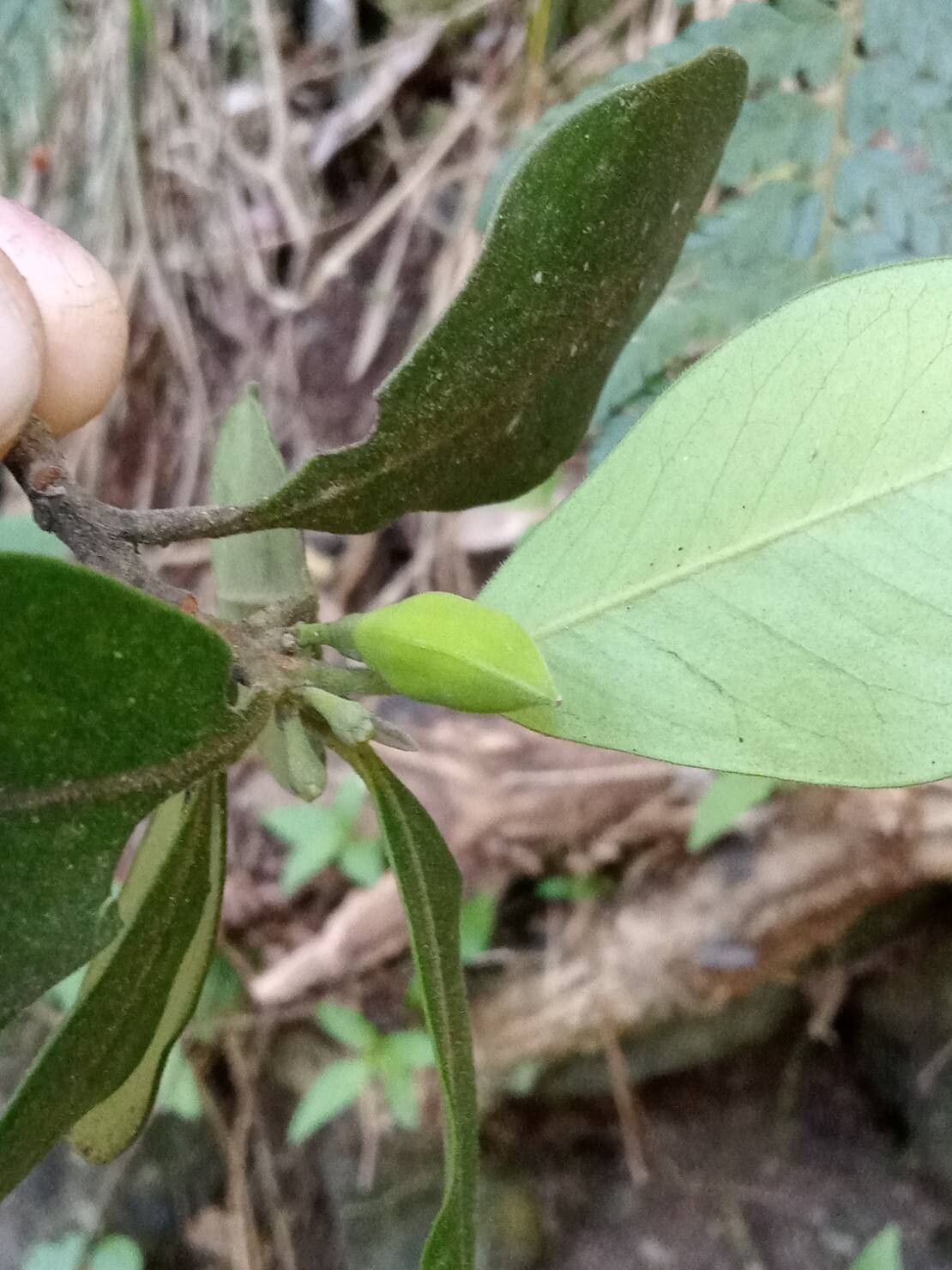
Hello, fellow garden enthusiasts! Today, we’re diving into the wonderful world of Turraea monticola, also known as the Natal Mahogany or sometimes just “Turraea.” This lovely shrub, with its glossy leaves and delicate, fragrant white flowers, is a real gem. Growing it from a tiny cutting or division is incredibly satisfying, and honestly, it’s a practice I’ve come to adore. For beginners? It’s moderately easy, a fantastic way to dip your toes into propagation without too much worry.
The Best Time to Start
I’ve found the sweet spot for propagating Turraea monticola is typically in late spring to early summer. This is when the plant is actively growing, and the new shoots are plump and full of vigor. You want to take cuttings from healthy, non-flowering stems. Think of it as harvesting when the plant is at its most energetic – it just makes sense!
Supplies You’ll Need
To get your Turraea babies started, here’s what I usually gather:
- Sharp Pruning Shears or a Clean Knife: For making clean cuts.
- Rooting Hormone (Optional but Recommended): A powder or gel can give your cuttings an extra boost.
- Potting Mix: A well-draining mix is crucial. I like a blend of equal parts perlite, coarse sand, and peat moss or coco coir.
- Small Pots or Seed Trays: Clean ones are a must!
- Plastic Bags or a Clear Dome: To create a humid environment.
- Watering Can or Spray Bottle: For gentle watering.
- Optional: Bottom Heat Mat: Particularly helpful in cooler conditions.
Propagation Methods
Let’s get our hands dirty! For Turraea monticola, stem cuttings are my go-to.
Stem Cuttings:
- Select Your Stems: Look for healthy, semi-hardwood stems that are about 4-6 inches long. These are slightly woody but still have some flexibility. Pinch off any flowers or flower buds.
- Make the Cut: Using your sharp shears, make a clean cut just below a leaf node (where a leaf attaches to the stem). This is where root-forming hormones are concentrated.
- Prepare the Cutting: Remove the lower leaves, leaving just a few at the top. This prevents them from rotting in the soil and reduces water loss.
- Apply Rooting Hormone (Optional): If you’re using it, dip the cut end of the stem into the rooting hormone, tapping off any excess.
- Potting Up: Make a hole in your prepared potting mix with a pencil or your finger. Insert the cutting, ensuring the node where you removed the leaves is below the soil surface. Gently firm the soil around the cutting.
- Water Gently: Water the pot thoroughly but avoid making the soil soggy.
- Create Humidity: Cover the pot with a plastic bag or a clear dome. Make sure the leaves don’t touch the plastic. You can use stakes to hold the bag up.
The “Secret Sauce” (Pro Tips)
Here are a few things I’ve learned over the years that make a real difference:
- Don’t Overcrowd: Give your cuttings space! Overcrowding can lead to disease and reduced air circulation. It’s better to have a few healthy plants than many struggling ones.
- Bottom Heat is Your Friend: If you have a heat mat, place your pots on it. Turraea roots love a bit of warmth, and this can significantly speed up the rooting process, especially if your home is on the cooler side. It creates that cozy little microclimate they need.
Aftercare & Troubleshooting
Once your cuttings are potted, place them in a bright spot, but out of direct, harsh sunlight. The key is consistent moisture – the soil should be kept damp, not waterlogged.
You’ll know your Turraea cutting is rooting when you see new leaf growth after a few weeks. You can also give it a very gentle tug. If there’s resistance, roots have formed! Once it’s well-rooted, you can gradually remove the humidity cover over a few days to acclimate it to normal humidity.
Keep an eye out for rot. If the stem turns black and mushy, it’s a sign of too much moisture or that the cutting wasn’t healthy to begin with. Sadly, you’ll probably need to discard that one and try again. Yellowing leaves can sometimes indicate too much or too little water, or not enough light.
A Encouraging Closing
Propagating plants is a journey of patience and observation. Don’t be discouraged if not every cutting takes. Each attempt is a learning experience. Celebrate the successes, enjoy watching those tiny roots unfurl, and soon you’ll be rewarded with your very own magnificent Turraea monticola plants. Happy gardening!
Resource:
https://identify.plantnet.org/k-world-flora/species/Turraea%20monticola%20Bosser/data