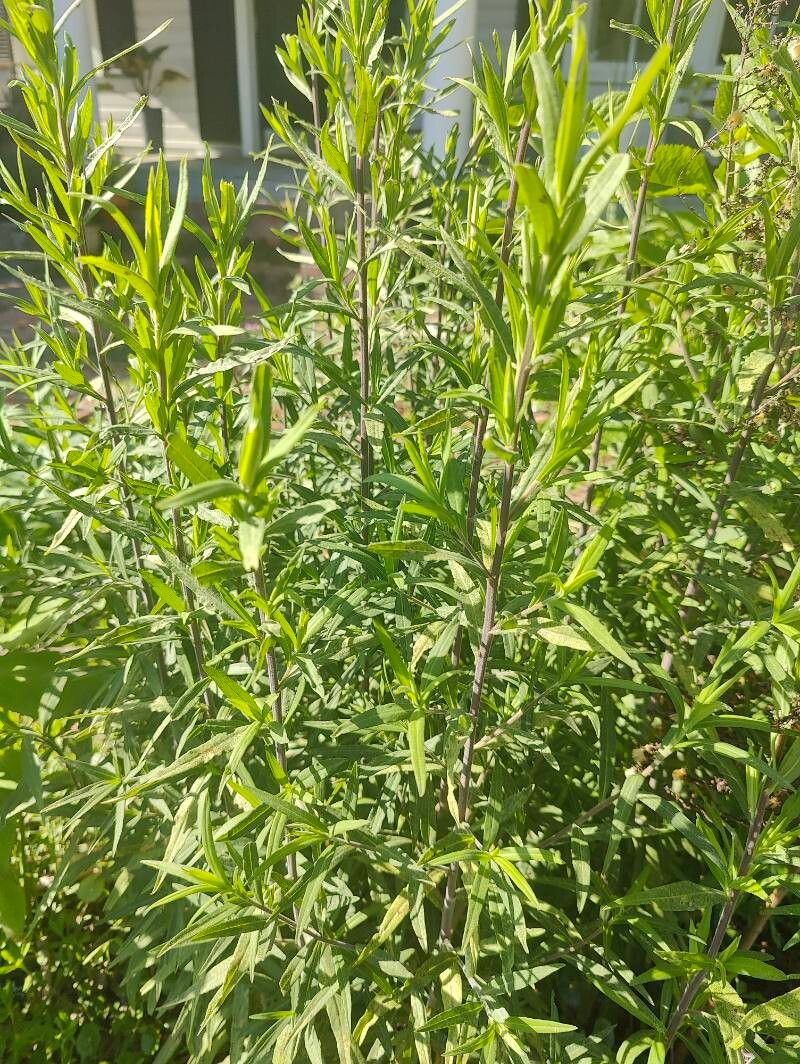
Hello there, fellow plant enthusiasts! I’m so glad you’ve stopped by my little corner of the garden. Today, we’re diving into the wonderful world of Symphyotrichum praealtum, also commonly known as the Tall Aster or Willow Aster. If you’ve ever admired its airy plumes of delicate aster-like flowers, often bursting with color in late summer and fall, then you’re in for a treat. Propagating these beauties isn’t just about getting more plants; it’s about extending that late-season joy and sharing it with others. And I’m happy to report, Symphyotrichum praealtum is a wonderfully easy-going plant to propagate, making it a fantastic choice for beginners!
The Best Time to Start
For Symphyotrichum praealtum, the late spring or early summer, just as they’re getting into a good growth spurt, is your golden window. Think May or June. This is when the stems are actively producing new shoots, which are perfect for cuttings, and the plant has enough energy stored to bounce back from division. Waiting until this time means you’ll be working with vigorous materials, giving your new plants the best possible start.
Supplies You’ll Need
Gathering your tools beforehand makes the whole process so much smoother. Here’s what I always have on hand:
- Sharp pruning shears or clean scissors: Sanitation is key to preventing disease!
- Small pots or seed trays: With good drainage holes, of course.
- Well-draining potting mix: A blend of peat moss, perlite, and a bit of compost works wonders. You can also buy specific seed-starting or propagation mixes.
- Rooting hormone (optional but recommended): This can significantly speed up root development. Look for a powder or gel.
- Plastic bags or a propagator: To create a humid environment.
- Dibber or pencil: For making drainage holes in the soil.
- Labels and a waterproof pen: You’ll thank me later when you have a flat of tiny plants!
Propagation Methods
Symphyotrichum praealtum is quite versatile, and two methods will give you fantastic results: stem cuttings and division.
Stem Cuttings in Soil
This is my favorite way to make more Tall Asters. It’s incredibly rewarding to see tiny roots form from what was just a piece of stem.
- Take Your Cuttings: In late spring or early summer, select healthy, non-flowering stems from your established plant. Look for stems that are about 4-6 inches long. Using your clean pruning shears, make a cut just below a leaf node (where a leaf attaches to the stem). This is where roots are most likely to form.
- Prepare the Cuttings: Gently remove the lower leaves from the cutting, leaving just two or three at the top. You can then dip the cut end into rooting hormone, tapping off any excess. This is optional but helps give impatient gardeners like myself a bit of an edge.
- Planting Your Cuttings: Fill your small pots or seed trays with your well-draining potting mix. Make small holes with a pencil or dibber, about an inch deep. Insert the prepared cuttings into the holes, making sure the leaf node is nestled in the soil. Gently firm the soil around them.
- Create a Humid Environment: Water the soil lightly. Then, cover the pots with a plastic bag or place them inside a propagator. Ensure the leaves aren’t touching the sides of the bag if possible, as this can encourage rot. Pop them in a bright spot, but out of direct, scorching sunlight.
Division
This method is best used when your Symphyotrichum praealtum is becoming a bit overcrowded in its pot or garden bed, which usually happens after a few years.
- Dig Up the Plant: In early spring, before new growth really takes off, carefully dig up the entire plant. You might need a spade to help loosen the soil around the root ball.
- Separate the Divisions: Gently shake off excess soil. You should be able to see natural breaks or divisions within the root ball. Using your hands or a clean, sharp knife, carefully split the clump into several smaller sections. Each section should have at least a few stems and a good portion of the root system.
- Replant Immediately: Don’t let the divisions sit around; they do best when replanted straight away. Replant them in their original location or into new pots with fresh potting mix. Water them well after planting.
The “Secret Sauce” (Pro Tips)
Here are a couple of little tricks I’ve picked up over the years that really make a difference:
- Bottom Heat is Your Friend: For stem cuttings, placing your pots on a heat mat can dramatically speed up root development. The warmth encourages the roots to emerge from the cut ends. Just a gentle warmth, not scorching heat!
- Don’t Drench, Just Dampen: The biggest enemy of cuttings is soggy soil, which leads to rot. When watering your cuttings, err on the side of caution. The soil should be consistently moist, but never waterlogged. You can tell by gently touching the surface – if it feels dry to the touch, it’s time for a little drink.
Aftercare & Troubleshooting
Once your Symphyotrichum praealtum cuttings have developed roots (you can gently tug on them to feel for resistance, or sometimes you’ll see roots poking out the drainage holes), they’re ready for a little more independence.
Gradually introduce them to less humid conditions by opening the bags for longer periods or removing them from the propagator. Keep the soil consistently moist but not wet, and continue to keep them out of harsh direct sun while they establish. If you divided plants, water them regularly in their new home.
The most common issue you’ll encounter is rot. If you see stems turning black and mushy, or if your cuttings just seem to be wilting away, it’s usually a sign of too much moisture. Discard any rotting cuttings and check your watering practices. Sometimes, if a cutting simply refuses to root and looks healthy, patience is key. Leave it there! It might surprise you.
A Encouraging Closing
And there you have it! Propagating Symphyotrichum praealtum is a wonderfully accessible way to multiply these lovely plants. Be patient with the process; nature has its own timeline. Enjoy the journey of nurturing these little green hopefuls, and soon you’ll have a garden brimming with their late-season charm. Happy gardening!
Resource: