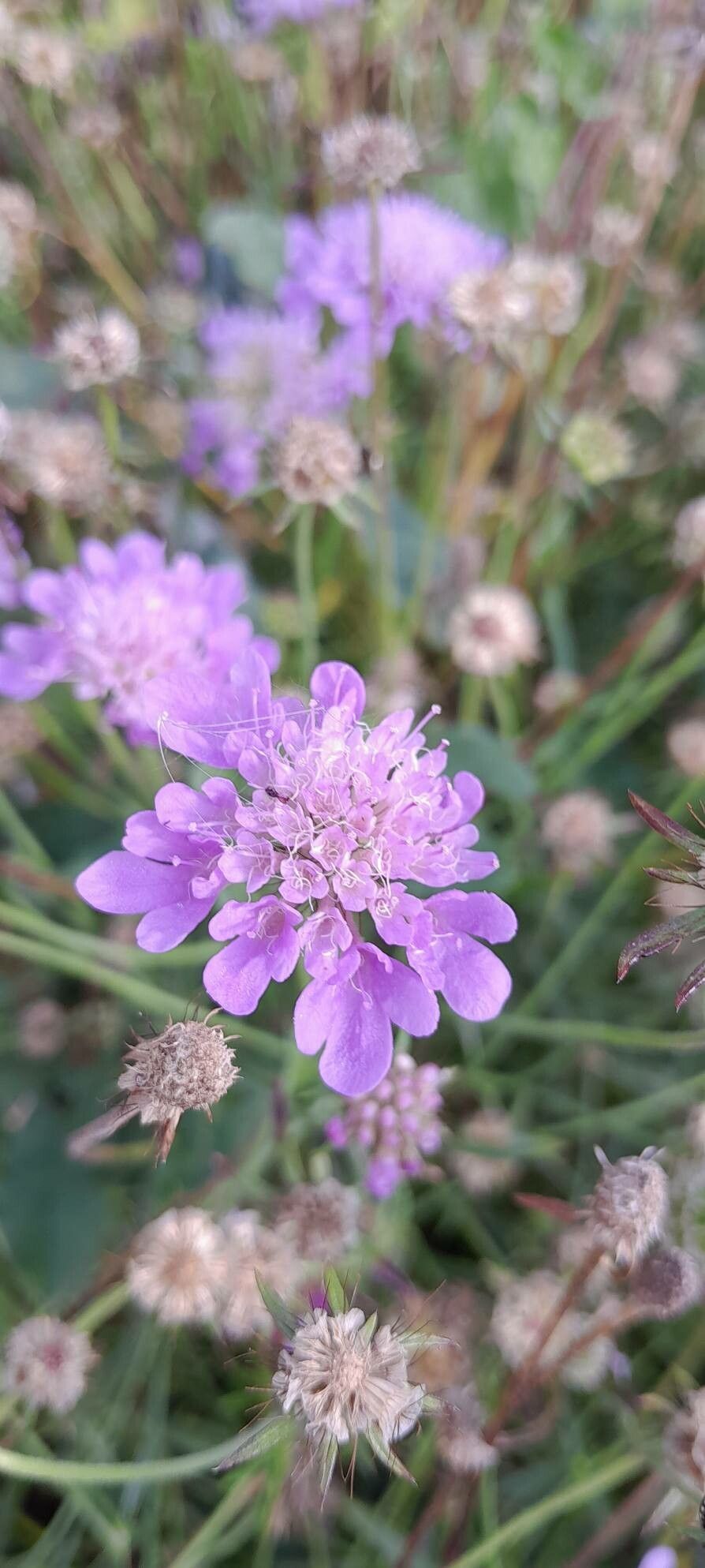
Hello there, fellow garden enthusiasts! Today, we’re diving into the delightful world of Scabiosa japonica, also known as Japanese pincushion flower. I’ve spent many years with these charming blooms gracing my garden, and let me tell you, they bring a certain delicate beauty that’s hard to resist. Their airy, pincushion-like flowers are just irresistible to pollinators, and if you’re like me and love seeing your garden thrive and expand, propagating them is a truly rewarding endeavor. And the best part? For those of you just starting out, Scabiosa japonica is generally a pretty beginner-friendly plant to work with. You’ll be amazed at how easily you can create more of these beauties!
The Best Time to Start
My favorite time to get started with propagating Scabiosa japonica is in late spring or early summer. This is when the plant is actively growing and has plenty of energy to put into producing new roots. You’ll want to look for stems that are semi-hardwood – they’re not completely soft and floppy, but they also haven’t turned woody yet. Think of it as the perfect stage, like a firm pencil.
Supplies You’ll Need
Before we get our hands dirty, let’s gather our arsenal:
- Sharp pruning shears or a clean, sharp knife: For making clean cuts.
- Well-draining potting mix: I like to use a mix of potting soil with added perlite or coarse sand.
- Small pots or seedling trays: With drainage holes, of course!
- Rooting hormone (optional but helpful): This can give your cuttings a nice boost.
- A spray bottle: For misting.
- A plastic bag or propagator: To create a humid environment.
- Labels and a marker: To keep track of what you’ve planted (trust me on this!).
Propagation Methods
There are a couple of ways to go about this, but my go-to method is stem cuttings. It’s straightforward and effective!
- Take Your Cuttings: Using your clean pruners or knife, select a healthy stem and make a cut just below a leaf node (where a leaf grows from the stem). Aim for cuttings that are about 4-6 inches long. Remove the lower leaves, leaving just a couple at the top.
- Apply Rooting Hormone (Optional): If you’re using rooting hormone, dip the cut end of the stem into it. Gently tap off any excess.
- Plant Your Cuttings: Fill your pots or trays with your well-draining potting mix. Make a small hole in the center of the soil with your finger or a pencil. Insert the cut end of the Scabiosa japonica cutting into the hole and gently firm the soil around it.
- Water Gently: Water the soil thoroughly but gently. You don’t want to disturb the cuttings.
- Create Humidity: Now, cover your pots with a plastic bag or place them in a propagator. This will create a humid environment, which is crucial for cuttings to root. Make sure the leaves aren’t touching the plastic bag.
The “Secret Sauce” (Pro Tips)
Here are a couple of tricks I’ve learned over the years that can really help:
- Bottom Heat is Your Friend: If you have a seedling heat mat, place your pots on it. This gentle bottom warmth encourages root development faster than just ambient room temperature. It makes a noticeable difference!
- Don’t Drown Them: While humidity is essential, overwatering can lead to rot. Stick your finger about an inch into the soil. If it feels dry, it’s time to water. If it feels moist, hold off. Misting the leaves occasionally is also a good idea.
Aftercare & Troubleshooting
Once your Scabiosa japonica cuttings have been in their humid haven for a few weeks, you’ll likely start to see signs of life! You can gently tug on a cutting. If you feel resistance, it means roots have formed. At this point, you can slowly acclimate them to normal humidity by opening the plastic bag a little each day over a week. Once they have a good root system, you can transplant them into individual pots.
The most common issue you might encounter is rot. This usually happens from too much moisture. If you see a cutting turning black and mushy, it’s unfortunately a goner. Don’t get discouraged! Just remove the affected cutting and check your watering routine.
A Encouraging Closing
Propagating Scabiosa japonica is such a satisfying way to expand your garden or share these lovely flowers with friends. Be patient with the process; gardening is always a lesson in observation and timing. Enjoy the journey of nurturing these new little plants into thriving additions to your green space! Happy gardening!
Resource:
https://identify.plantnet.org/k-world-flora/species/Scabiosa%20japonica%20Miq./data