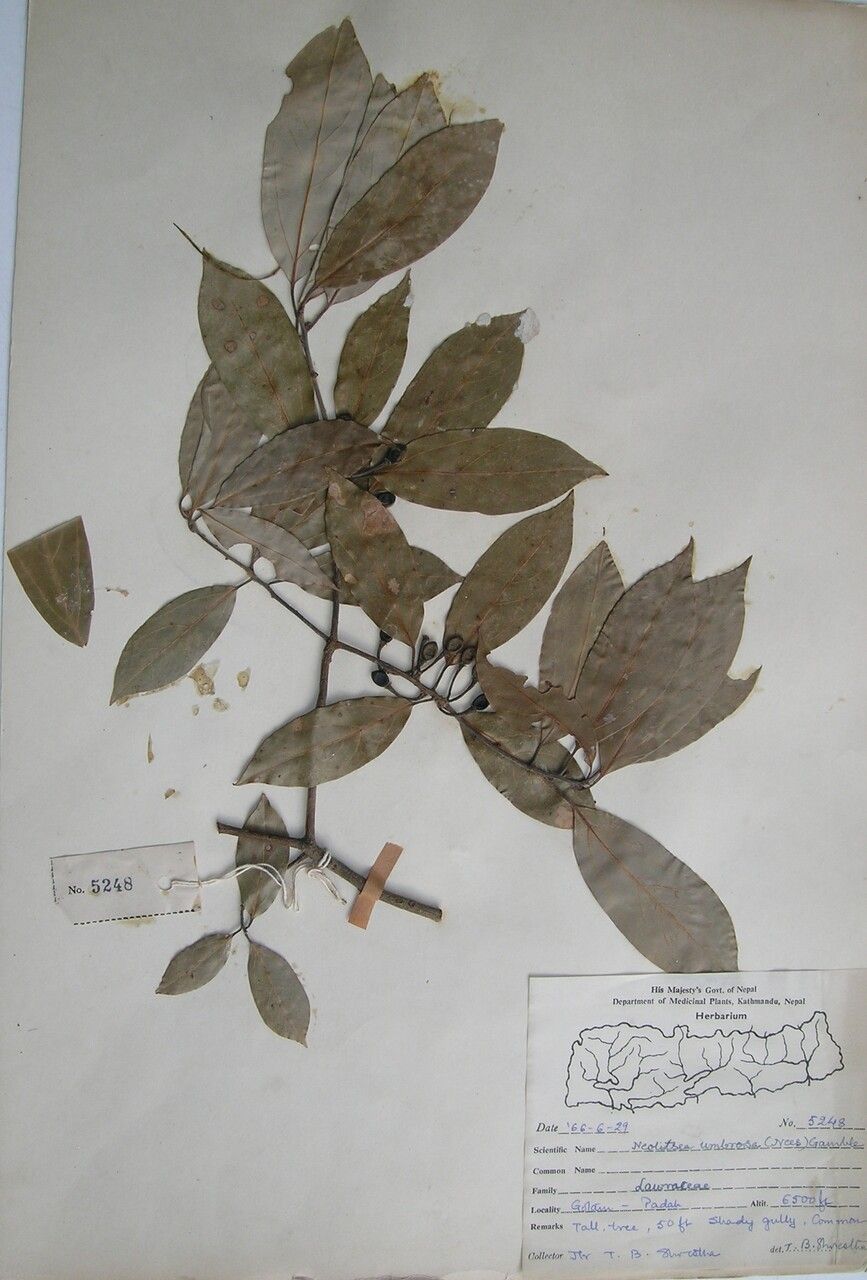
Oh, Neolitsea foliosa! If you’re looking for a handsome, evergreen shrub with glossy, leathery leaves that just feel so lush, this is one you’ll adore. It brings a wonderfully tropical vibe to a shady corner or can be trained into a handsome specimen. And one of the most satisfying things you can do as a gardener is to coax new life into being. Propagating Neolitsea foliosa might seem a bit daunting at first glance, but trust me, with a little guidance, you’ll be well on your way to a whole new plant family. It’s not the absolute easiest for a complete beginner, but with these steps, you’ll find it quite manageable and incredibly rewarding.
The Best Time to Start
When it comes to getting cuttings to root, timing is everything. You’ll have the most success starting your propagation efforts in the late spring to early summer. This is when the plant is in an active growth phase, meaning it has plenty of energy to put into developing new roots. Look for stems that are semi-hardwood – not brand new, floppy growth, but not old, woody stems either. They should be flexible but firm.
Supplies You’ll Need
Let’s gather our tools. Having everything ready before you start will make the process so much smoother.
- Sharp Pruning Shears or a Craft Knife: For clean cuts.
- Rooting Hormone: A powder or gel to encourage root development.
- Potting Mix: I like a blend of equal parts perlite and peat moss, or a good quality seed-starting mix. You want something that drains well.
- Small Pots or Trays: Clean ones are key to preventing disease.
- Clear Plastic Bags or a Propagator: To create a humid environment.
- Watering Can with a Fine Rose: For gentle watering.
- Labels: To keep track of your projects!
Propagation Methods: Stem Cuttings
This is hands-down my favorite and most reliable method for Neolitsea foliosa.
- Take Your Cuttings: In late spring or early summer, select healthy, semi-hardwood stems. Using those sharp shears, cut pieces about 4-6 inches long. Make your cut just below a leaf node (where a leaf attaches to the stem).
- Prepare the Cuttings: Gently remove the lower leaves, leaving just 2-3 at the top. This reduces water loss and energy expenditure. If your cuttings are particularly long, you can even trim the remaining leaves in half, horizontally. This also helps.
- Apply Rooting Hormone: Dip the cut end of each stem into your rooting hormone, tapping off any excess. The goal is to coat the bottom inch or so of the stem.
- Pot Them Up: Fill your clean pots with your chosen potting mix. Make a hole in the center of the mix with your finger or a pencil. Insert the cutting into the hole, making sure the roots are touching the mix, not just the sides of the pot. Gently firm the mix around the stem.
- Water Gently: Water thoroughly until you see water draining from the bottom of the pot.
- Create a Humid Environment: Place the potted cuttings into a clear plastic bag, sealing it loosely with a twist tie, or set them inside a propagator. This creates a miniature greenhouse, keeping humidity high. You can place them over a heat mat if you have one – it really speeds things up!
The “Secret Sauce” (Pro Tips)
Here are a few little tricks I’ve learned over the years that make a big difference.
- Cleanliness is Crucial: Always sterilize your tools! A quick dip in rubbing alcohol between cuts can prevent the spread of any diseases.
- Light is Gentle: Place your cuttings in bright, indirect light. Direct sun will scorch those delicate new leaves and dry out the cuttings too quickly.
- Patience is a Virtue (and a Necessity): Rooting can take time, sometimes several weeks to a couple of months. Resist the urge to pull them up and check for roots too often. Give them a gentle tug – if you feel resistance, roots are forming!
Aftercare & Troubleshooting
Once you feel that resistance when giving your cutting a gentle tug, it’s time to start acclimatizing your new plant. Gradually open the plastic bag or propagator over a week or two, allowing it to get used to normal humidity. Continue watering as needed, keeping the soil consistently moist but not waterlogged.
What if things go wrong? The most common culprit is rot. If your cuttings turn black and mushy, they’ve likely succumbed to too much moisture and not enough air circulation. This is why a well-draining mix and avoiding overwatering are so important. If you see signs of pests, address them immediately with an appropriate organic spray.
And there you have it! Propagating Neolitsea foliosa is a wonderful way to expand your collection or share these beautiful plants with friends. Don’t be discouraged if your first attempt isn’t perfect. Gardening is a journey of learning and experimentation. Enjoy the process, celebrate every tiny leaf that unfurls, and revel in the satisfaction of bringing a new plant to life. Happy growing!
Resource:
https://identify.plantnet.org/k-world-flora/species/Neolitsea%20foliosa%20(Nees)%20Gamble/data