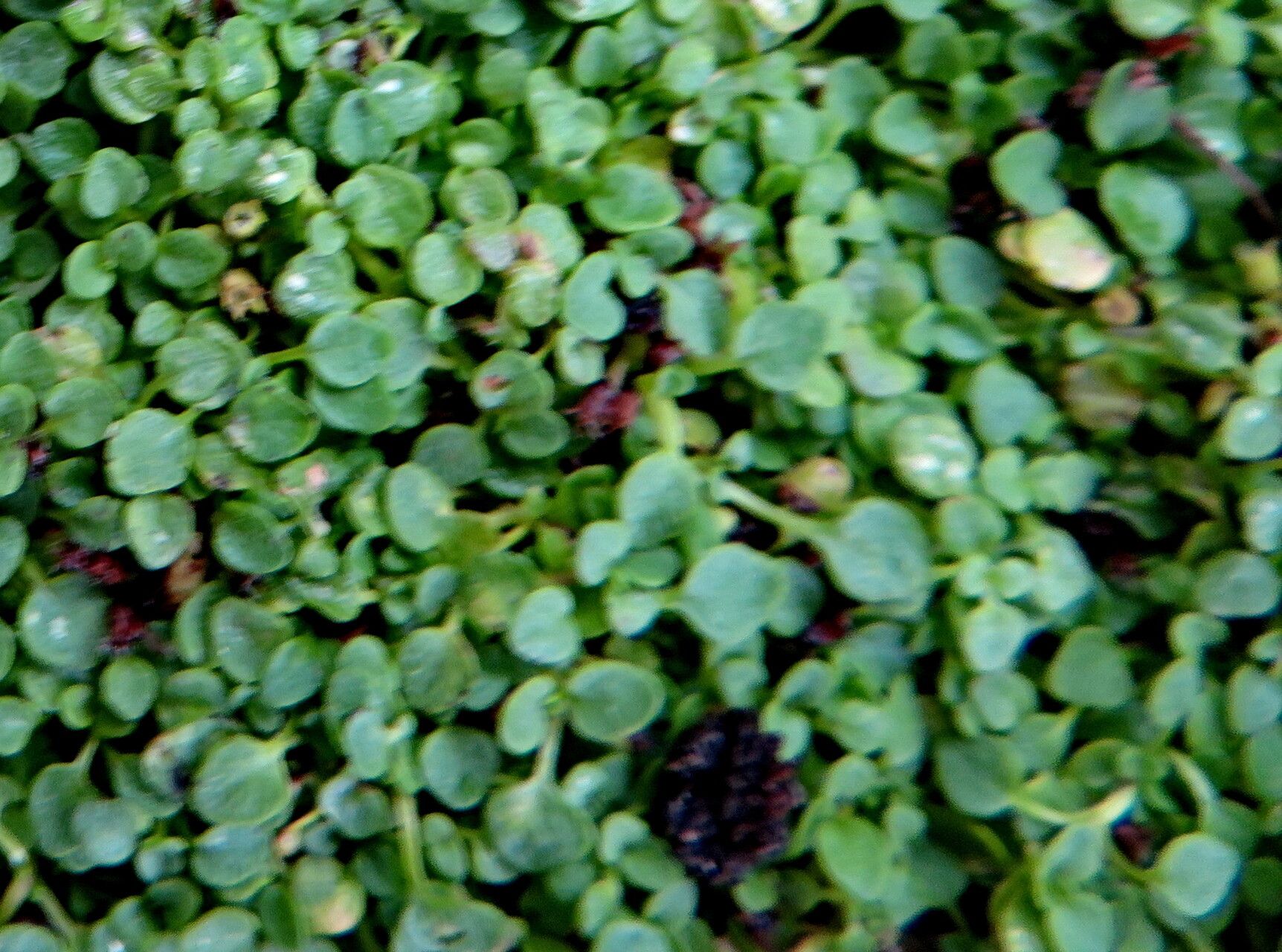
Hello, fellow plant lovers! It’s so lovely to have you joining me today. I’ve been coaxing plants to grow for two decades now, and I still get a thrill from seeing a new little life sprout from a tiny piece of an existing one. Today, we’re diving into the delightful world of propagating Corsican Mint, Mentha requienii.
Corsican Mint: A Tinyromatic Treasure
If you haven’t met Corsican Mint yet, prepare to be charmed! This little groundcover is a true gem. Its foliage is incredibly tiny, forming a lush, moss-like carpet that releases the most divine, sweet minty fragrance with every touch. It’s perfect for filling cracks in paving stones, trailing over the edges of pots, or even as a miniature indoor carpet. And the best part? Propagating it is incredibly rewarding, and I’m happy to report, it’s quite a friendly plant for beginners looking to dip their toes into propagation.
The Best Time to Start Your Minty Adventure
For the highest success rate with Mentha requienii, the spring is your best friend. Think about when your established mint is really starting to take off, stretching out with fresh, vibrant growth. That’s prime time! You want to propagate from softwood or semi-hardwood cuttings when the plant is actively growing but not stressed by extreme heat or drought.
Supplies You’ll Need
Gathering your tools beforehand makes the whole process much smoother. Here’s what I usually have on hand:
- Sharp Pruning Shears or Scissors: Clean cuts are crucial for preventing disease.
- Small Pots or Seed Trays: Anything that can hold your rooting medium.
- Gritty, Well-Draining Potting Mix: A mix of horticultural grit, perlite, and a little peat moss or coco coir works wonderfully. I often use a basic seed starting mix with extra perlite added.
- Rooting Hormone (Optional but Recommended): A powder or gel can give those cuttings a helpful boost.
- Small Watering Can or Spray Bottle: For gentle watering.
- Clear Plastic Bag or Dome (for humidity): To create a mini greenhouse effect.
Propagation Methods for Corsican Mint
Corsican Mint is quite obliging and can be propagated easily through a couple of straightforward methods.
1. Stem Cuttings: The Classic Approach
This is my go-to method for Corsican Mint, and it’s incredibly reliable.
- Step 1: Take Your Cuttings. In spring, when your plant is actively growing, gently select healthy stems. Look for stems that are not too woody but have a bit of firmness. Using your sharp pruning shears, snip off lengths of about 2-3 inches. Make your cut just below a leaf node (where a leaf grows from the stem).
- Step 2: Prepare the Cuttings. Gently strip off the lower leaves from the bottom inch or so of each cutting. This prevents them from rotting once planted. If you’re using rooting hormone, dip the cut end into the powder or gel.
- Step 3: Pot Them Up. Fill your small pots with your prepared, moistened gritty potting mix. Make a small hole in the center of the soil with a pencil or your finger, and carefully insert the cut end of the stem. Gently firm the soil around the cutting.
- Step 4: Create a Humid Environment. Water the soil gently. Then, cover the pot with a clear plastic bag or a propagator lid to maintain high humidity. I like to poke a few small holes in the bag to allow for some air circulation.
- Step 5: Provide Light and Warmth. Place the pots in a bright spot, but out of direct sunlight. A windowsill that gets morning light is often perfect.
2. Water Propagation: The See-Through Method
This method is a bit more visual and just as effective for Corsican Mint!
- Step 1: Select and Cut. Similar to stem cuttings, choose healthy, non-flowering stems about 2-3 inches long. Cut just below a leaf node.
- Step 2: Prepare for Water. Remove any leaves that would fall below the expected water line.
- Step 3: Place in Water. Fill a small glass or jar with clean water. Place the prepared cuttings into the water, ensuring the leaf nodes that you removed leaves from are submerged.
- Step 4: Monitor and Wait. Place the container in a bright spot, away from direct sun. Change the water every few days to keep it fresh. You’ll be able to see tiny roots start to emerge from the leaf nodes.
The “Secret Sauce”: Insider Tips for Mint Magic
Here are a couple of tricks I’ve learned over the years that can really give your cuttings a boost.
- Don’t Let Those Lower Leaves Dangle in the Water (for water propagation): This is a big one! Any leaves submerged in water will rot, introducing bacteria and potentially killing your cutting before it even has a chance to root. Always trim them off so only the stem is in contact with the water.
- Bottom Heat is Your Friend: If you have a propagation mat or can place your pots on a warm windowsill (without direct hot sun), the gentle warmth from beneath can significantly speed up the rooting process. It mimics the warmth of spring soil nicely.
- A Gentle Misting is Better Than Soaking: When using the soil method, avoid overwatering. A light misting of the leaves and a gentle watering of the soil is usually enough to keep things moist but not waterlogged. Waterlogged conditions are a breeding ground for fungal diseases.
Aftercare & Troubleshooting: Nurturing Your New Mint
Once you see signs of roots – usually after 2-4 weeks for stem cuttings, and you’ll see visible roots in water.
- For Stem Cuttings: When you gently tug on a cutting and feel resistance, or see new tiny leaves appearing, it’s time to transplant! Carefully pot your rooted cuttings into small pots filled with your well-draining mix. Keep them in a bright spot, mist them regularly, and avoid direct sun until they’re more established.
- For Water Cuttings: Once the roots are about an inch long, you can carefully transplant them into small pots of moist, gritty potting mix. Treat them much like the stem cuttings above.
- Troubleshooting: The most common issue you might face is rot. If your cuttings turn black and mushy, or develop fuzzy grey mold, it’s usually a sign of too much moisture and not enough air circulation. Discard any affected cuttings and try again, focusing on sharp tools, well-draining soil, and that essential humidity dome with some ventilation. Weak growth or no root development could mean it’s still too early, or perhaps your cutting wasn’t vigorous enough to begin with. Don’t get discouraged!
A Final Word of Encouragement
Propagating plants is a journey, and Corsican Mint is such a rewarding one to take. Be patient with your cuttings; some take their time. Enjoy the process of nurturing these tiny new lives, and soon you’ll have a whole patch of fragrant, mossy mint to share or enjoy for yourself. Happy propagating!
Resource:
https://identify.plantnet.org/k-world-flora/species/Mentha%20requienii%20Benth./data