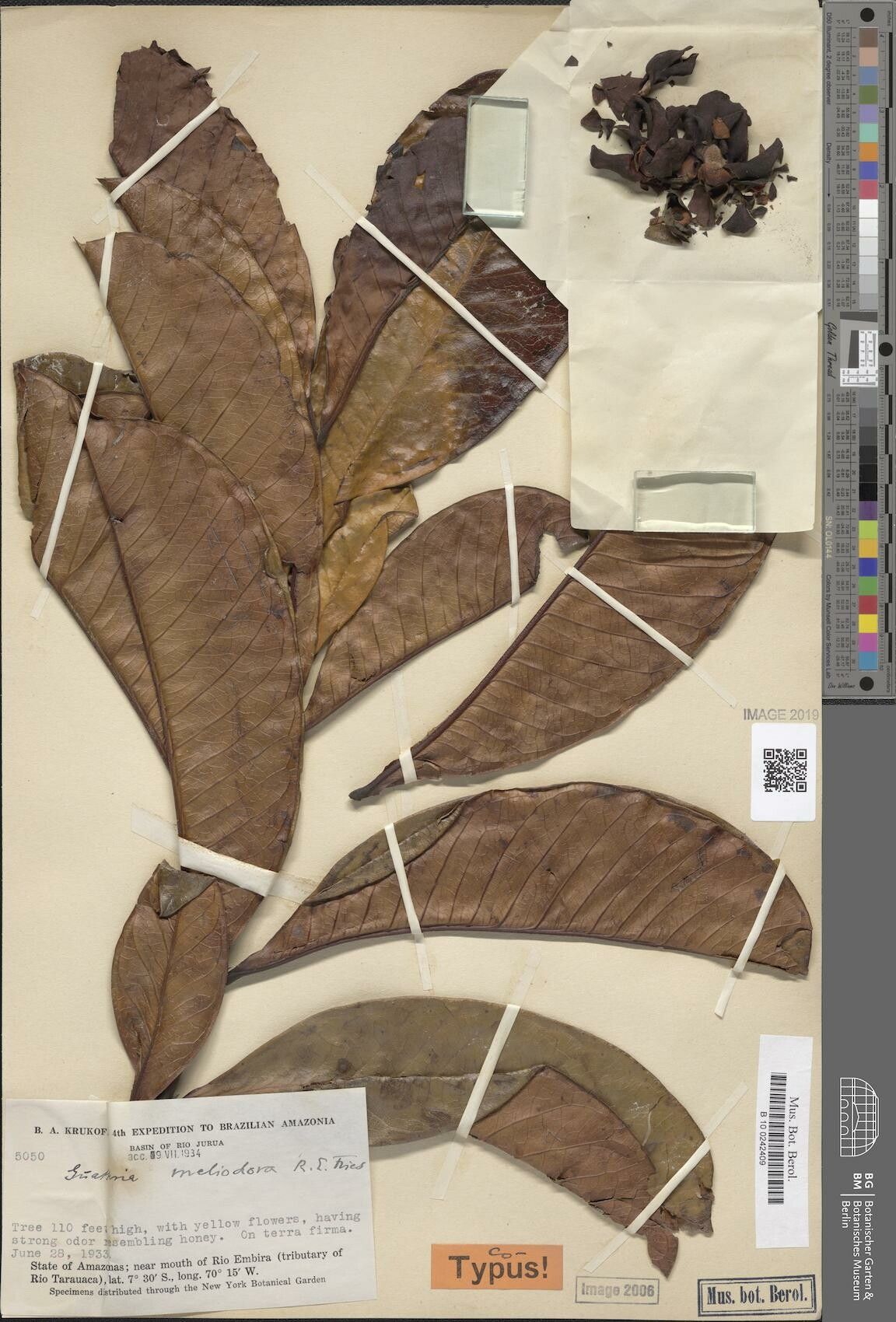
Growing a Guatteria meliodora from Scratch: My Go-To Guide
Oh, Guatteria meliodora! If you’ve ever been captivated by its delicate, creamy flowers and the intoxicating, sweet fragrance that drifts on a warm breeze, you’re not alone. This little gem is truly special. And the wonderful news? You can easily bring that magic into your own garden – or even onto your windowsill – by propagating it yourself. It’s incredibly rewarding to watch a tiny cutting transform into a thriving plant. Now, I won’t lie and say Guatteria is AS easy to propagate as a pothos, but it’s far from impossible. With a little patience and the right approach, even those of you dipping your toes into plant propagation for the first time can achieve success.
When to Get Your Hands Dirty
For Guatteria meliodora, spring and early summer are your golden ticket. This is when the plant is in its most vigorous growth phase. New shoots are developing, and they have plenty of energy to put into rooting. Trying to propagate from dormant wood in winter is usually a recipe for disappointment. So, wait for that burst of warmth and new growth – that’s your cue!
Gathering Your Arsenal: What You’ll Need
Before we dive in, let’s make sure you have everything ready. A little preparation goes a long way!
- Sharp Pruning Shears or a Blade: Needs to be clean and VERY sharp to make a clean cut.
- Rooting Hormone: I prefer a powder form for stem cuttings, but gels work too. It gives your cuttings a helpful boost.
- Potting Mix: A light, well-draining mix is crucial. I like to combine peat moss or coco coir with perlite in roughly a 50/50 ratio. This prevents waterlogging, which is the enemy of new roots.
- Small Pots or Propagating Trays: Clean pots are a must. Small ones are fine as the cuttings don’t need much space initially.
- Plastic Bag or Humidity Dome: To create a humid environment for your cuttings.
- Watering Can with a Fine Rose: For gentle watering.
- Labels and a Pen: Don’t forget to label your efforts!
Unlocking the Secrets: Propagation Methods
I’ve found two primary methods work best for Guatteria meliodora. Let’s explore them!
Stem Cuttings: My Preferred Method
This is how I get the most reliable results. It’s all about taking a bit of healthy, active growth and coaxing it to root.
- Take Your Cuttings: On a nice spring or early summer morning, select a healthy, non-flowering stem. Look for new growth that is firm but still slightly flexible – think of it as being “semi-hardwood.” Using your clean shears, take a cutting that is 4-6 inches long. Make a clean cut just below a leaf node (where a leaf attaches to the stem).
- Prepare the Cutting: Gently remove the lower leaves from the cutting, leaving just a few at the top. This reduces moisture loss and prevents leaves from rotting in the soil.
- Apply Rooting Hormone: Dip the cut end of the stem into your rooting hormone, tapping off any excess. This step is really helpful for encouraging root development.
- Plant the Cutting: Fill your small pots with your prepared potting mix. Make a small hole with your finger or a pencil, and carefully insert the cutting. Gently firm the soil around the stem to ensure good contact.
- Create a Humid Environment: Water the soil gently until it’s moist but not soaking wet. Then, cover the pot with a clear plastic bag secured with a rubber band, or place it under a humidity dome. Make sure the leaves don’t touch the plastic, as this can encourage rot.
- Find a Warm, Bright Spot: Place your pots in a location that receives bright, indirect light. Avoid direct sun, which can scorch the young cuttings. A consistently warm environment is also key.
Water Propagation (with a Caveat!)
While I usually stick to soil for Guatteria, I’ve had some success with water propagation for its initial rooting, but I always transfer it to soil as soon as roots appear.
- Prepare the Cutting: Follow steps 1 and 2 from the stem cutting method of taking and preparing your cutting.
- Place in Water: Find a clean glass or jar and fill it with fresh, room-temperature water. Place your cutting in the water, ensuring that no leaves are submerged. Only the stem should be in the water.
- Change Water Regularly: This is crucial. Change the water every 2-3 days to keep it fresh and oxygenated.
- Watch for Roots: You should see tiny white roots developing from the nodes. Once these roots are about an inch long, it’s time to move them to soil using the planting method described above. Leaving them in water too long can make their transition to soil more difficult.
The “Secret Sauce”: My Insider Tips
Here are a few things I’ve learned over the years that can really make a difference:
- Bottom Heat is Your Friend: If you have a seedling heat mat, placing your pots on top of it can dramatically speed up root formation. This mimics the warmth of spring soil and gives your cuttings a real advantage. Just make sure it’s set to a gentle warmth, not scorching heat.
- Don’t Be Afraid to “Wiggle”: If you suspect your cuttings have rooted (after about 4-6 weeks), give a very gentle tug. If you feel some resistance, it’s a good sign of root development. Don’t yank! A gentle lift is all you need to check.
- Mist, Don’t Drench (Initially): Until you see good root development, focus on keeping the soil consistently moist, rather than drenching it. Overwatering is the quickest way to lose a cutting to rot. A light misting of the leaves can also help maintain humidity without waterlogging the soil.
Aftercare and What to Watch For
Once you see those first signs of roots – perhaps new leaf growth or resistance when you gently tug – your cutting is one step closer to becoming a plant!
- Gradual Acclimation: If you used a plastic bag or humidity dome, start by gradually increasing ventilation. Open the bag for an hour or two each day for a week before removing it completely. This helps the new plant adjust to drier air.
- Consistent Watering: Continue to keep the soil consistently moist but not soggy. Water thoroughly when the top inch of soil feels dry.
- Bright, Indirect Light: Continue to provide bright, indirect light. As the plant grows stronger, you can slowly introduce it to a bit more direct morning sun.
Troubleshooting Common Issues:
- Wilting: This could be underwatering, or it could be a sign of rot if the stem is mushy at the base. Check the soil moisture. If the base is mushy, unfortunately, that cutting is probably lost.
- Leaf Drop: Some leaf drop is natural, especially from the lower leaves. However, if all the leaves fall off, it’s usually a sign the cutting didn’t root.
- Fuzzy Mold: This is usually a sign of too much moisture and poor air circulation. Try to improve ventilation and be more careful with watering.
Keep Growing!
Propagating plants, especially those as lovely as Guatteria meliodora, is a journey. Some cuttings will thrive, and others might not make it. Don’t get discouraged! Learn from each attempt, observe your plants, and enjoy the process of coaxing new life from a tiny snippet. Happy propagating, and may your garden be filled with the sweet scent of Guatteria soon!
Resource:
https://identify.plantnet.org/k-world-flora/species/Guatteria%20meliodora%20R.E.Fr./data