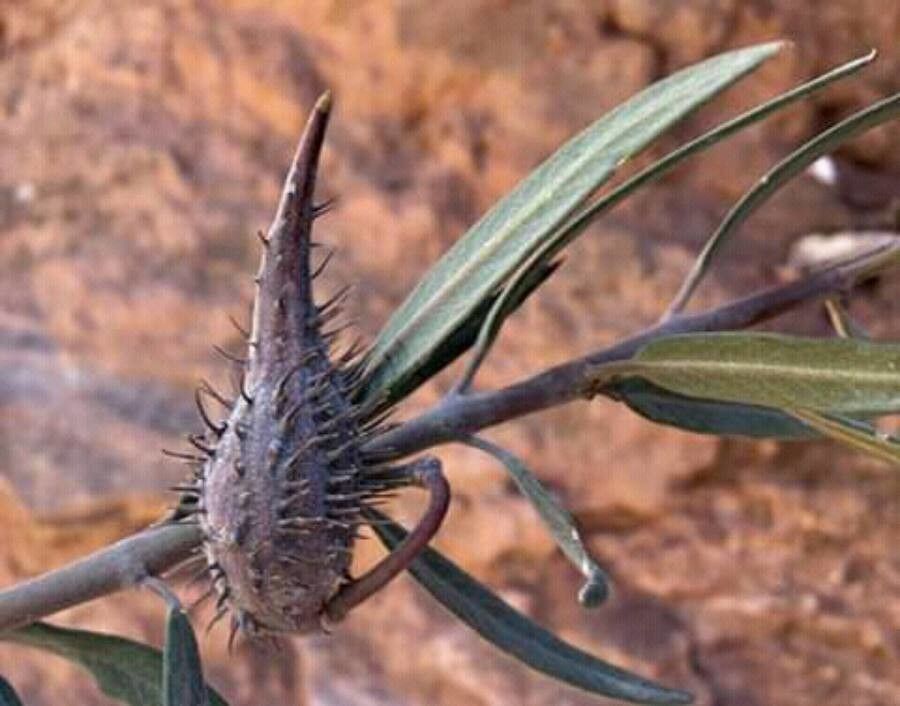
Hey there, fellow plant lovers! I’m so excited to chat with you today about a truly captivating plant: Gomphocarpus sinaicus, often called Swan Milkweed. If you’ve ever admired its delicate, papery seed pods that resemble tiny sailing ships, or its cheerful clusters of white to pinkish flowers, you’re not alone. This is a plant that brings a bit of whimsical beauty to any garden, and the joy of creating more of these beauties from your existing ones? Well, that’s just a whole other level of garden bliss.
Now, is it a walk in the park for a complete beginner? I’d say it’s moderately easy. It’s not one of those “set it and forget it” plants for propagation, but with a little attention and the right approach, you’ll be well on your way to a thriving collection.
The Best Time to Start
Generally, the sweet spot for propagating Gomphocarpus sinaicus is late spring to early summer. This is when the plant is actively growing and has plenty of energy to put into developing new roots. You’re looking for healthy, non-flowering stems. Think of it as capitalizing on that vigorous growth spurt that happens after the last frost.
Supplies You’ll Need
Here’s what you’ll want to have on hand before you begin:
- Sharp, clean pruning shears or a sharp knife: Cleanliness is key to preventing disease.
- Rooting hormone (optional but recommended): This can give your cuttings a nice boost.
- Well-draining potting mix: A good blend of peat moss or coco coir, perlite, and coarse sand works wonders. You want something airy!
- Small pots or seed trays: Clean ones, of course.
- Plastic bags or a propagator lid: To create a humid environment.
- Watering can or misting bottle: For gentle watering.
- Labels: To keep track of what you’ve propagated and when.
Propagation Methods
I’ve found great success with stem cuttings for Gomphocarpus sinaicus. It’s pretty straightforward and yields reliable results.
Stem Cuttings:
- Select your cuttings: Choose healthy stems that are at least 4-6 inches long. Look for stems that are slightly woody at the base but still flexible. Avoid stems with flowers or developing seed pods.
- Make the cut: Using your sterilized pruning shears or knife, make a clean cut just below a leaf node (where a leaf attaches to the stem). This is where roots are more likely to form.
- Prepare the cutting: Gently remove the lower leaves from the cutting, leaving only the top few leaves. If the remaining leaves are very large, you can cut them in half to reduce water loss.
- Apply rooting hormone (if using): Dip the cut end of the stem into your rooting hormone powder or gel, tapping off any excess.
- Potting up: Fill your small pots or seed trays with your well-draining potting mix. Moisten the mix slightly.
- Insert the cutting: Make a small hole in the soil with your finger or a pencil. Carefully insert the cut end of the stem into the hole, ensuring the leaf nodes are below the soil surface. Gently firm the soil around the cutting.
- Create a humid environment: Water the soil gently. Then, cover the pot with a clear plastic bag or place it in a propagator lid. This traps moisture and helps the cutting stay hydrated while it roots. Make sure the leaves don’t touch the plastic cover if possible; this can encourage rot.
- Placement: Place the pots in a bright spot but out of direct, harsh sunlight. A windowsill that gets indirect light is usually perfect.
The “Secret Sauce” (Pro Tips)
- Bottom Heat is Your Friend: If you have one, placing your pots on a gentle heat mat can significantly speed up root development. It mimics the warmth of spring soil and gives those little rootlets a real encouragement to grow.
- Don’t Overwater, But Keep Them Humid: This is a delicate balance. The soil should feel consistently moist, but never soggy. Overwatering is the fastest way to lose your cuttings to rot. Check the soil moisture regularly.
- The “Wiggle Test”: After about 3-4 weeks, you can gently tug on a cutting. If you feel slight resistance, it’s a good sign that roots are forming!
Aftercare & Troubleshooting
Once you see signs of new growth, like tiny new leaves emerging, you know your cuttings have rooted! At this point, you can gradually acclimate them to more open air by removing the plastic cover for longer periods each day. Continue to keep the soil consistently moist, but allow the top layer to dry out slightly between waterings.
The most common issue you might encounter is rot. This usually happens if the cuttings are kept too wet or if the air circulation is poor. If you see stems turning black and mushy, unfortunately, that cutting is likely lost. Remove it immediately to prevent the rot from spreading to other cuttings. Don’t get discouraged! It’s all part of the learning process.
A Encouraging Closing
Propagating plants is a journey, and Gomphocarpus sinaicus is a delightful companion on that path. Be patient with your new babies, celebrate every little success, and don’t be afraid to experiment. Before you know it, you’ll have more of these wonderful Swan Milkweeds to share and enjoy. Happy gardening!
Resource:
https://identify.plantnet.org/k-world-flora/species/Gomphocarpus%20sinaicus%20Boiss./data