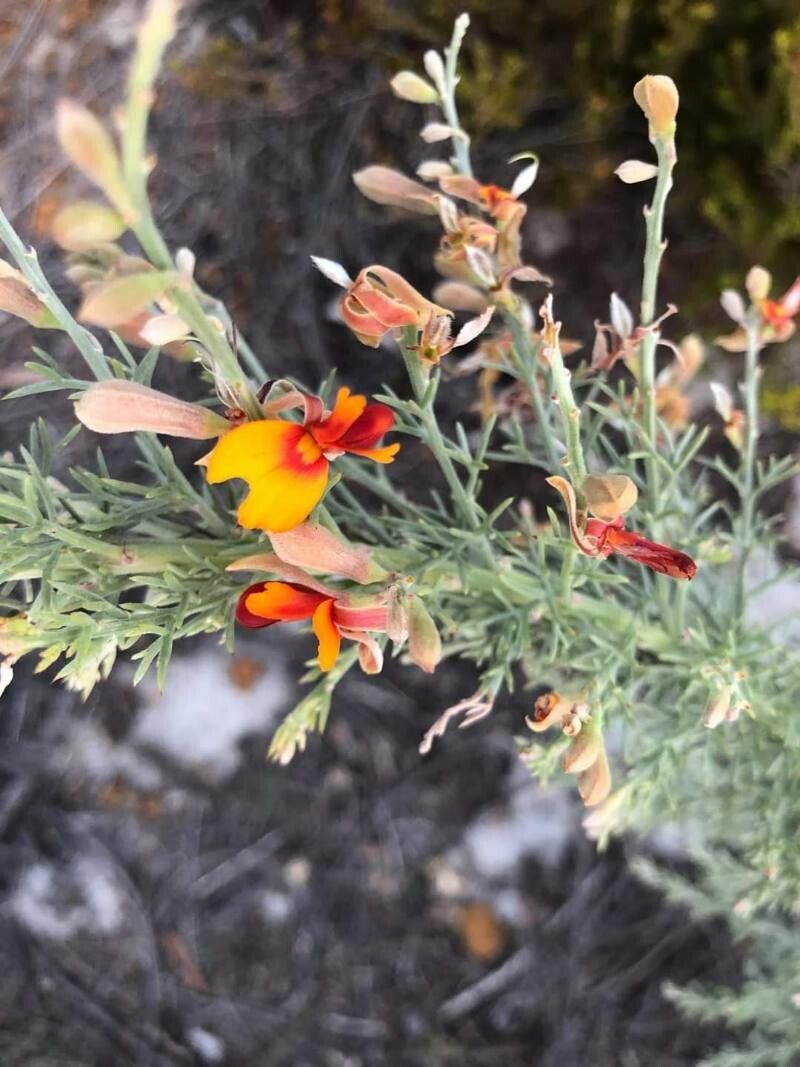
Hello, fellow garden enthusiasts! Today, I want to talk about a plant that has really captured my heart over the years: Genista morisii. You know, those cheerful bursts of yellow, often gracing the landscape with their vibrant blooms. There’s something truly special about nurturing a new plant from a tiny bit of its parent. It’s a connection to the life cycle, and frankly, it’s incredibly rewarding to see something you started taking root and thriving. Now, if you’re just starting out, Genista morisii might present a slight challenge, but don’t let that deter you! With a little guidance, you’ll be a pro in no time.
The Best Time to Start
I’ve found that the sweet spot for propagating Genista morisii is late spring to early summer. This is when the plant is actively growing and has plenty of energy to put into developing new roots. You want to be looking for semi-ripe cuttings – that’s wood that’s starting to firm up but isn’t yet hard and woody. Think of it as being bendy but not floppy.
Supplies You’ll Need
Gathering your tools before you begin makes the whole process so much smoother. Here’s what I always have on hand:
- Sharp pruning shears or a clean, sharp knife: For making clean cuts.
- Rooting hormone (powder or gel): This is a big help in encouraging root development.
- A well-draining potting mix: A blend of equal parts peat moss and perlite or vermiculite works wonders. You can also find specific seed starting mixes.
- Small pots or a propagation tray: Clean and with drainage holes, of course.
- A plastic bag or propagation dome: To create a humid environment for your cuttings.
- Water spray bottle: For keeping things moist.
- Labels and a marker: To keep track of what you’ve planted!
Propagation Methods
While you could try division, I’ve had the most consistent success with stem cuttings. It’s straightforward, and you can get multiple new plants from just one parent.
Here’s how I do it:
- Take your cuttings: Using your clean shears, snip off pieces of stem about 4-6 inches long. Make the cut just below a leaf node (where a leaf attaches to the stem). Remove the lower leaves from the cutting, leaving only the top two or three.
- Dip in rooting hormone: Lightly moisten the cut end of the stem, then dip it into your rooting hormone. Tap off any excess.
- Plant the cuttings: Fill your pots or tray with your well-draining mix. Make a small hole with your finger or a pencil, and gently insert the cutting. Firm the soil around it so it stands upright.
- Water gently: Water the soil thoroughly until it drains from the bottom.
- Create humidity: Cover the pot or tray with a plastic bag or propagation dome. This is crucial to keep the leaves from drying out while the roots establish.
The “Secret Sauce”
Every gardener has a few little tricks up their sleeve, right? Here are a couple that really help with Genista morisii:
- Bottom heat is your friend: If you have a propagation mat, placing your tray on it can significantly speed up root formation. It mimics the warmth of the soil in summer.
- Don’t overcrowd: While it’s tempting to cram as many cuttings as possible into a pot, give them a little breathing room. This allows for better air circulation and reduces the risk of fungal issues.
Aftercare & Troubleshooting
Once your cuttings are planted, the real waiting game begins. Keep the soil consistently moist but not waterlogged. Mist the leaves daily, especially if you don’t have a dome. You’ll know your cuttings are successful when you see new leaf growth, or when you gently tug on a cutting and feel resistance – that’s the roots holding on!
The most common issue you might encounter is rot. This usually happens when the soil is too wet and there’s poor air circulation. If you see a cutting turning mushy or developing black spots, it’s best to remove it to prevent it from affecting others. Sometimes, a bit of trial and error is part of the journey!
A Little Patience Goes a Long Way
So there you have it! Propagating Genista morisii is a wonderfully satisfying endeavor. Don’t get discouraged if your first attempt doesn’t yield a forest of new plants. Gardening is a practice in patience and observation. Enjoy the process, learn from each cutting, and soon enough, you’ll be sharing your beautiful Genista morisii with friends and family. Happy gardening!
Resource:
https://identify.plantnet.org/k-world-flora/species/Genista%20morisii%20Colla/data