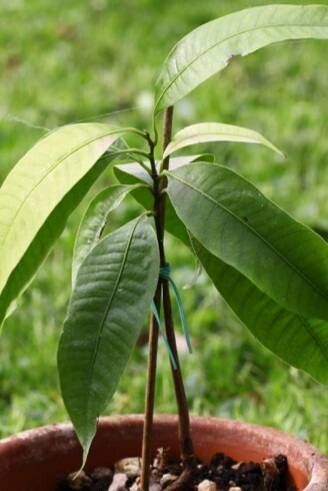
Hello there, fellow garden enthusiasts! Today, we’re going to dive into the wonderful world of propagating Bouea macrophylla. You know, that beautiful plant with the luscious, almost tropical-looking leaves – the Kundang, or Marian Plum, as it’s also known. I’ve always been drawn to its vibrant foliage and the promise of delicious fruit, though I must admit, getting those cuttings to root can be a bit of a dance. For beginners, I’d say it’s more of a moderate challenge. It’s not as foolproof as a succulent, but with a little attention and the right approach, you’ll be rewarded with a whole new plant!
The Best Time to Start
When it comes to getting the best success rate with Bouea macrophylla, timing is everything. I’ve found that the late spring to early summer is absolutely prime time. This is when the plant is in its most vigorous growth phase, meaning it’s full of energy and ready to sprout new roots. Look for stems that have started to harden slightly – they should snap cleanly when bent, rather than just flopping over. These semi-hardwood cuttings tend to have the best balance of flexibility and readiness to root.
Supplies You’ll Need
Gathering your supplies beforehand makes the whole process so much smoother. Here’s what I usually have on hand:
- Sharp pruning shears or a clean knife: For making precise cuts.
- Rooting hormone powder or gel: This significantly boosts your chances of success.
- Sterile potting mix: A good blend for propagation is key. I often use a mix of 50% peat moss or coco coir and 50% perlite or coarse sand. This ensures good drainage.
- Small pots or trays: With drainage holes, of course!
- Plastic bags or a propagator: To create a humid environment.
- Watering can or spray bottle: For gentle watering.
- Labels and a marker: So you don’t forget what you’ve planted!
Propagation Methods
While there are a few ways to get more Bouea macrophylla, stem cuttings have always been my go-to for this plant. It’s reliable and you usually get excellent results.
Stem Cuttings
- Select Your Cuttings: As I mentioned, look for healthy, semi-hardwood stems. You want cuttings that are about 4-6 inches long. Remove any flowers or developing fruits from the stem; these just drain energy away from rooting.
- Prepare the Cuttings: Carefully remove the lower leaves, leaving just a few at the very top. If the remaining leaves are very large, I’ll sometimes snip them in half to reduce water loss through transpiration.
- Apply Rooting Hormone: Dip the cut end of each stem into your rooting hormone. Make sure it’s coated evenly. Gently tap off any excess.
- Plant Your Cuttings: Fill your small pots with your sterile potting mix. Make a hole in the center with your finger or a small stick. Gently insert the treated end of the cutting into the hole, ensuring the hormone doesn’t rub off. Firm the soil gently around the stem.
- Create Humidity: Water the soil thoroughly but gently until water drains from the bottom. Then, cover the pot with a plastic bag, creating a mini-greenhouse. You can use stakes to keep the bag from touching the leaves. Alternatively, place the pots inside a propagator.
The “Secret Sauce” (Pro Tips)
Now, for those little tricks that can make all the difference between success and a bit of disappointment:
- Bottom Heat is Your Friend: Bouea macrophylla loves warmth, and providing bottom heat is a game-changer for rooting. If you have a heat mat designed for seedlings, place your pots on top of it. This encourages root development from below, which is exactly what you want.
- Don’t Over-Water, But Keep it Humid: While you want to maintain humidity with the plastic bag, the soil should be moist, not soggy. Check the soil regularly. If it feels dry to the touch, give it a light watering. Excessively wet soil can lead to rot, which is one of the biggest enemies of cuttings.
- Patience is a Virtue (and it Pays Off): Frankly, Bouea macrophylla can be a bit of a slow starter when it comes to rooting. Don’t be tempted to pull them up too soon to check for roots! Give them at least 6-8 weeks, sometimes even longer. You’ll know they are rooting when you see new leaf growth at the top.
Aftercare & Troubleshooting
Once you spot that glorious new growth, it’s a clear sign that your cuttings have rooted! Gradually acclimate your new plants to normal room humidity by slowly opening the plastic bag or propagator over a week or so. Continue to keep the soil consistently moist and provide bright, indirect light.
The most common issue you might encounter is rotting. This usually happens if the soil is too wet or if there’s insufficient air circulation. If you see a cutting turning black and mushy at the base, it’s usually a goner. Don’t get discouraged; just try again, paying close attention to drainage and humidity levels. Yellowing leaves, especially the lower ones, can sometimes indicate a lack of nutrients or overwatering, but for newly rooted cuttings, it’s often a sign they’re still establishing.
So there you have it! Propagating Bouea macrophylla is a rewarding journey that allows you to multiply your plant collection and share the joy with others. Be patient, trust the process, and enjoy watching those tiny roots unfurl. Happy propagating!
Resource:
https://identify.plantnet.org/k-world-flora/species/Bouea%20macrophylla%20Griff./data